
 English
 中文简体
中文简体Is a Simple Kitchen Exhaust Fan Powerful Enough to Remove Heavy Cooking Odors in Open-Plan Kitchens?
Content
- 1 1. Air Exchange Rates and CFM Requirements
- 2 2. Acoustic Engineering: Noise Levels vs. Suction Power
- 3 3. Maintenance and Grease Filtration Efficiency
- 4 Conclusion: The Engineer's Verdict
- 4.1 Frequently Asked Questions (FAQ)
- 4.1.1 1. What is the ideal CFM for an open-plan kitchen?
- 4.1.2 2. Is a wall mounted simple kitchen exhaust fan better than a ceiling model?
- 4.1.3 3. How often should I be cleaning a kitchen exhaust fan in a heavy-use home?
- 4.1.4 4. Can low noise kitchen exhaust fan technology really handle heavy smoke?
- 4.1.5 5. What are the high CFM exhaust fan benefits for home health?
- 4.2 Industry References
- 4.1 Frequently Asked Questions (FAQ)
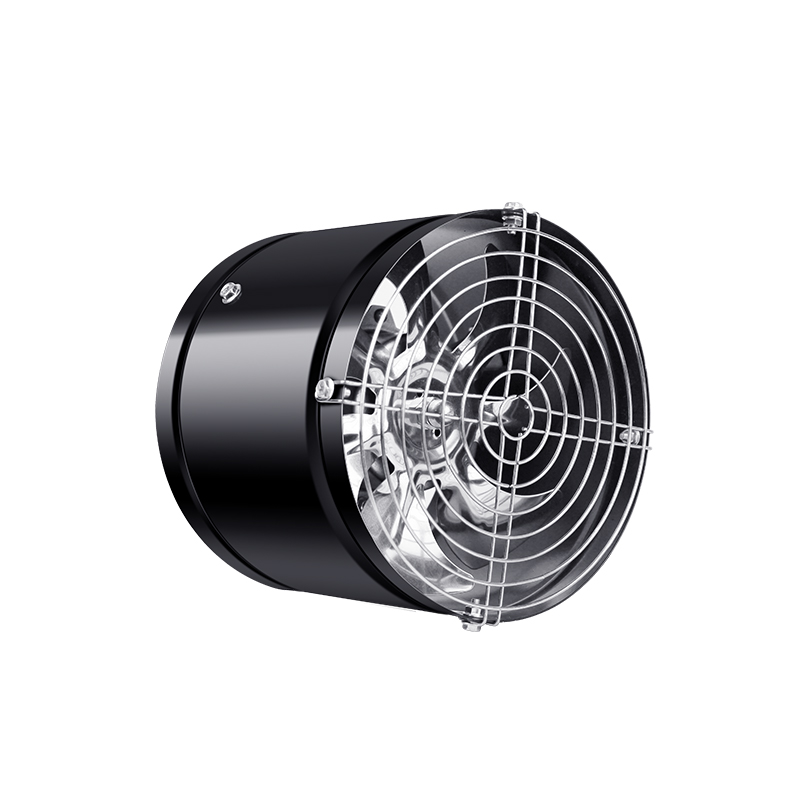
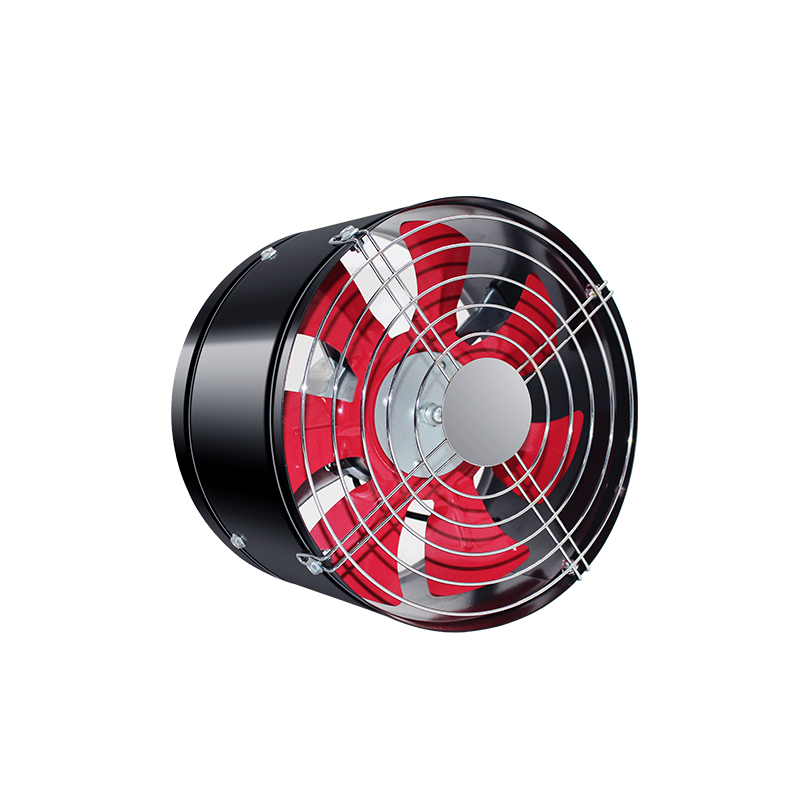
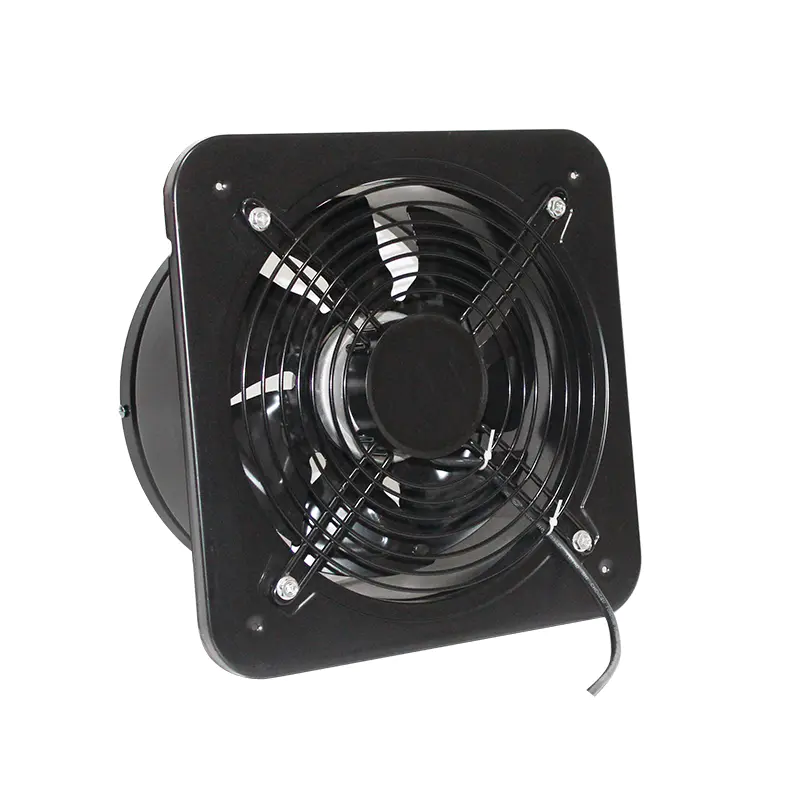
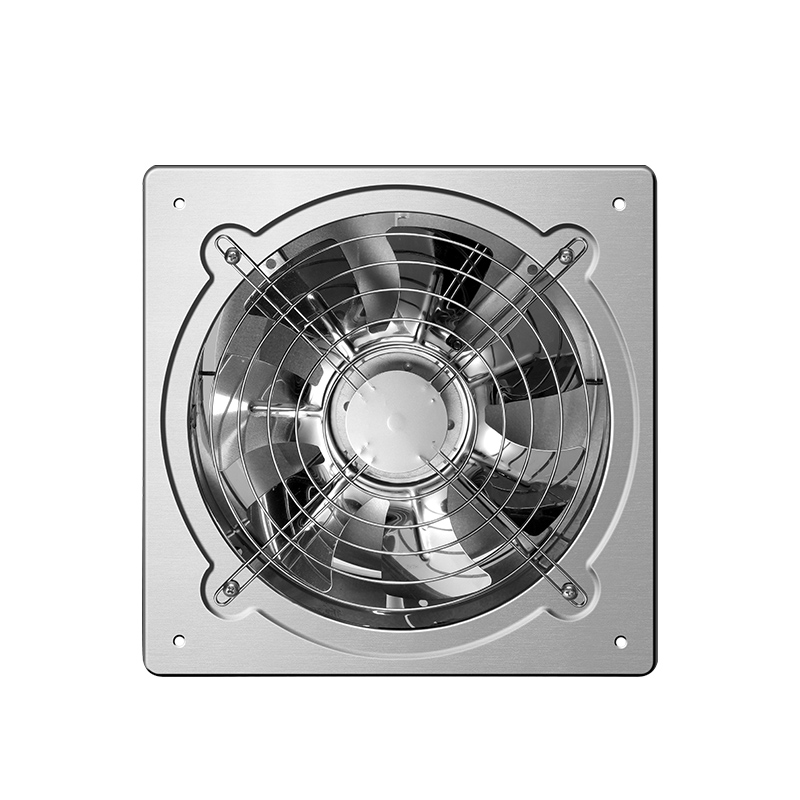
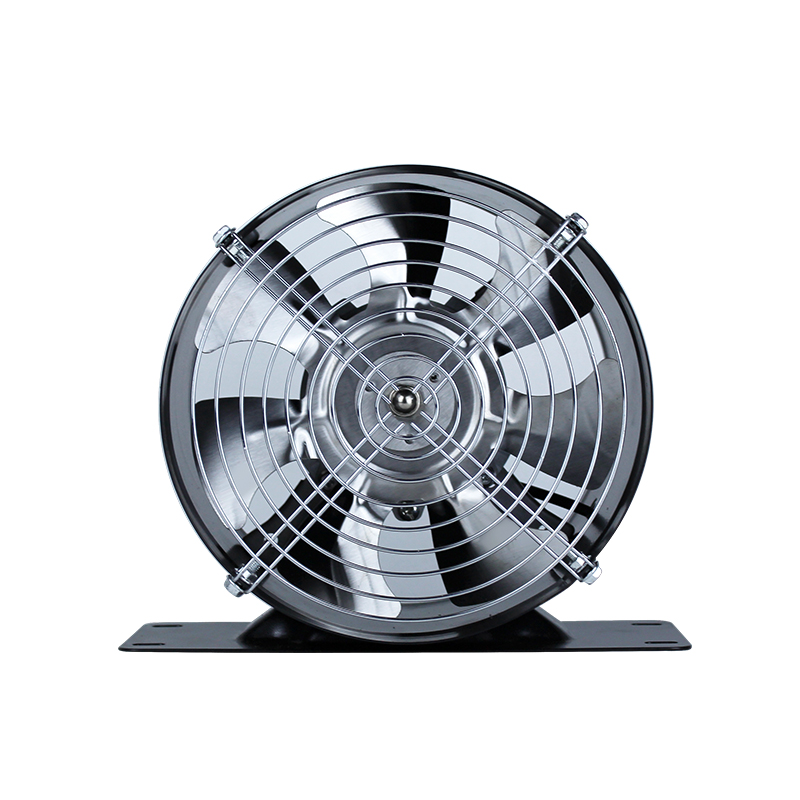
In modern architectural design, the open-plan kitchen has become a standard for social interaction and spatial fluidity. However, this layout presents a significant challenge for air quality management: containing aerosolized grease and pungent odors within a large, undivided volume of air. Many homeowners wonder if a simple kitchen exhaust fan can truly handle the bypass air and thermal plumes generated during heavy frying or searing. Shengzhou Qiantai Electric Appliance Co., Ltd., based in the "Town of the Motor" in Zhejiang Province, specializes in the design and production of high-performance simple kitchen exhaust fan units and industrial-grade ventilation systems. With advanced testing equipment and China Quality Certification Center (CQC) approval, we provide engineered solutions that bridge the gap between residential aesthetics and industrial power. This article evaluates the fluid dynamics of kitchen ventilation for open plan spaces and whether a streamlined fan unit meets the demands of high-intensity cooking.
1. Air Exchange Rates and CFM Requirements
The effectiveness of any extraction system is measured by its Cubic Feet per Minute (CFM) rating relative to the kitchen's total volume. For a simple kitchen exhaust fan to be effective in an open-plan setting, it must overcome the lack of physical barriers that usually help "trap" smoke. Engineers typically recommend a higher air exchange rate for open areas to prevent cross-contamination of air in living sections. While a standard wall fan may suffice for a closed room, high CFM exhaust fan benefits become undeniable when dealing with the large air masses of an open-plan home. When comparing axial vs centrifugal kitchen fans, axial models provide high airflow for general ventilation, whereas centrifugal models (often used in range hoods) are better at pushing air through ductwork against static pressure. Utilizing an industrial kitchen exhaust fan for home use is often a smart move for those who engage in frequent heavy cooking, as these units offer the necessary static pressure to clear odors quickly.
Ventilation Performance Comparison
- Standard Units: Often rated between 100-300 CFM, suitable for boiling or light steaming in enclosed spaces.
- High-Performance Units: Rated at 500+ CFM, designed to create a negative pressure zone that prevents odors from migrating to the living room.
| Metric | Standard Fan | High-Performance Simple Kitchen Exhaust Fan |
| Airflow Capacity (CFM) | 100 - 250 | 400 - 900+ |
| Effective Radius | Small (Directly above stove) | Large (Whole kitchen zone) |
| Pressure Recovery | Low | High (Supports long ducting) |
2. Acoustic Engineering: Noise Levels vs. Suction Power
One common deterrent to using powerful extraction is noise. However, low noise kitchen exhaust fan technology has advanced significantly. By optimizing the pitch of the exhaust fan motor for kitchen use and using balanced blades, manufacturers like Shengzhou Qiantai can achieve high suction without excessive decibel levels. When analyzing kitchen exhaust fan noise levels, it is found that larger diameter fans running at lower RPMs are often quieter and more efficient than smaller fans spinning at high speeds. This is crucial in open-plan designs where kitchen noise can disrupt activities in the adjacent living area. If you are choosing between a range hood and an exhaust fan, remember that a dedicated wall mounted simple kitchen exhaust fan can often move more total volume with less turbulence than a complex, ducted hood system.
[Image of sound levels in decibels chart]
Acoustic vs. Power Sequence
- Motor Selection: High-efficiency copper motors provide stable torque at lower frequencies.
- Blade Design: Aerodynamically shaped blades reduce "air-cutting" noise.
- Mounting: Vibration-dampening brackets prevent the wall from acting as a resonator.
- Ducting: Smooth, rigid ductwork minimizes air friction noise compared to flexible foil ducts.
| Component | Generic Fan | Qiantai Engineered Simple Kitchen Exhaust Fan |
| Motor Quality | Standard Grade | CQC Certified High-Efficiency Motor |
| Sound Rating (Sones) | 5.0 - 8.0 (Loud) | 1.5 - 3.5 (Quiet) |
| Longevity | Short (Plastic bushings) | Long (Ball bearing motors) |
3. Maintenance and Grease Filtration Efficiency
In an open-plan kitchen, grease that isn't captured by the fan will eventually settle on your sofa, curtains, and carpets. This makes cleaning a kitchen exhaust fan a vital maintenance task for long-term air quality. A high-quality easy to clean kitchen exhaust fan usually features detachable filters or a non-stick coating on the blades. For homeowners who cook with heavy oil, removing grease from exhaust fans is much easier with stainless steel baffle filters compared to mesh filters. Furthermore, understanding how to install a kitchen exhaust fan correctly—ideally within 24 to 30 inches of the cooktop—is essential for capturing the thermal plume before it expands into the wider open-plan area. By ensuring a durable kitchen exhaust fan for heavy cooking is properly maintained, you protect the investment in your home's interior finishes.
Conclusion: The Engineer's Verdict
So, is a simple kitchen exhaust fan powerful enough? The answer is yes, provided it is engineered with a high-efficiency motor and correct CFM-to-volume scaling. For open-plan kitchens, a standard "off-the-shelf" unit might struggle, but a professional-grade axial or centrifugal fan from a specialized manufacturer like Shengzhou Qiantai Electric Appliance Co., Ltd. provides the robust performance needed. By focusing on airflow dynamics, noise reduction, and ease of maintenance, you can enjoy the spatial beauty of an open-plan home without the lingering scent of last night's dinner.
Frequently Asked Questions (FAQ)
1. What is the ideal CFM for an open-plan kitchen?
For an open-plan layout, you should aim for at least 1 CFM per square foot of the kitchen area, or a minimum of 400 CFM if you frequently engage in high-heat frying or use a professional-style range.
2. Is a wall mounted simple kitchen exhaust fan better than a ceiling model?
Generally, yes. Wall-mounted fans positioned directly behind or above the stove are more efficient at capturing rising steam and grease than ceiling fans, which allow the air to cool and disperse before extraction.
3. How often should I be cleaning a kitchen exhaust fan in a heavy-use home?
Filters should be cleaned every 2-4 weeks, and the exhaust fan motor for kitchen housing should be inspected for grease buildup every 6 months to ensure fire safety and peak performance.
4. Can low noise kitchen exhaust fan technology really handle heavy smoke?
Yes. Noise is often a result of air turbulence, not power. Well-designed fans use precision blades to move air smoothly, providing high extraction power with minimal sound disruption.
5. What are the high CFM exhaust fan benefits for home health?
Beyond removing odors, high CFM fans extract combustion by-products (like CO and NO2 from gas stoves) and fine particulate matter, which are linked to respiratory issues in poorly ventilated homes.
Industry References
- China Quality Certification Center (CQC): Standards for Residential Ventilation Motors.
- ASHRAE Standard 62.2: Ventilation and Acceptable Indoor Air Quality in Residential Buildings.
- HVI (Home Ventilating Institute): Certified Airflow and Sound Procedures.
- Shengzhou Qiantai Internal Lab: "Thermal Plume Capture Efficiency in Open-Plan Environments" (2025).