
 English
 中文简体
中文简体Which Blade Materials for Axial Exhaust Fans Industrial Provide the Best Corrosion Resistance in Chemical Plants?
Content
- 1 1. Analyzing Stainless Steel vs. Composite Materials
- 2 2. The Role of Specialized Coatings in Longevity
- 3 3. Operational Efficiency and Safety in Hazardous Zones
- 4 Conclusion: A Material-First Approach
- 4.1 Frequently Asked Questions (FAQ)
- 4.1.1 1. Why is 316L preferred over 304 stainless steel for axial exhaust fans industrial?
- 4.1.2 2. How often should I perform axial fan maintenance for harsh environments?
- 4.1.3 3. Can energy efficient axial fans for factories also be corrosion resistant?
- 4.1.4 4. What is the main axial fan material selection guide rule for acidic vapors?
- 4.1.5 5. Is there a difference in axial vs centrifugal fans for corrosion resistance?
- 4.2 Industry References
- 4.1 Frequently Asked Questions (FAQ)
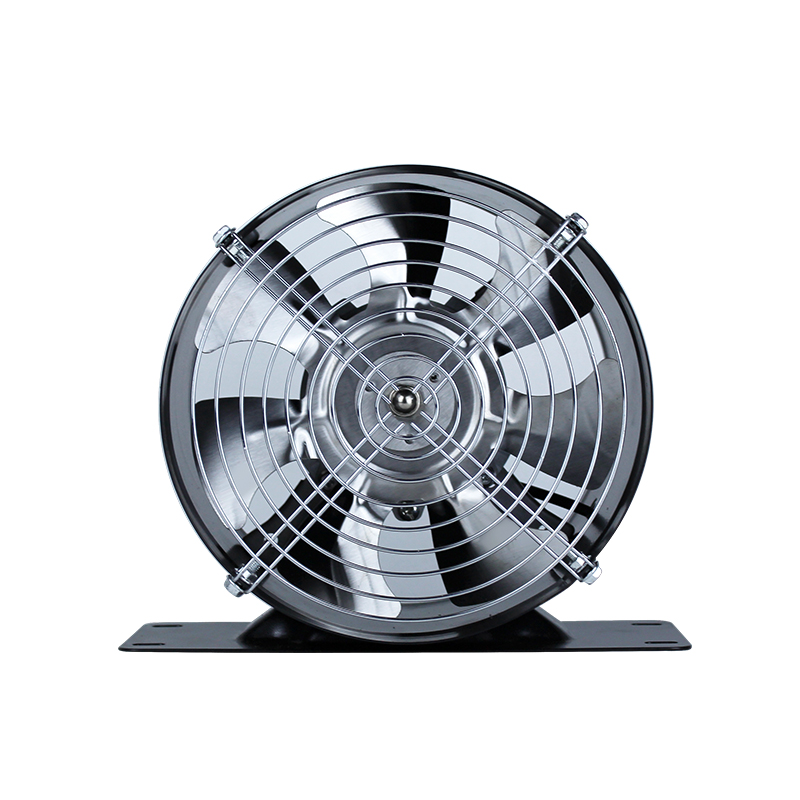
In the aggressive atmospheric conditions of a chemical processing facility, the structural integrity of ventilation equipment is constantly under siege. Selecting the appropriate axial exhaust fans industrial grade requires a deep understanding of material science, specifically how different alloys and composites react to acidic or alkaline vapors. Shengzhou Qiantai Electric Appliance Co., Ltd., located in the "Town of the Motor" in Zhejiang Province, specializes in the professional design and production of high-performance axial exhaust fans industrial solutions. Our products are widely used in factories and warehouses, backed by advanced testing equipment and a commitment to energy-saving innovation. This article evaluates the top-rated corrosion resistant fan blades and provides an engineering-grade axial fan material selection guide for chemical environments.
1. Analyzing Stainless Steel vs. Composite Materials
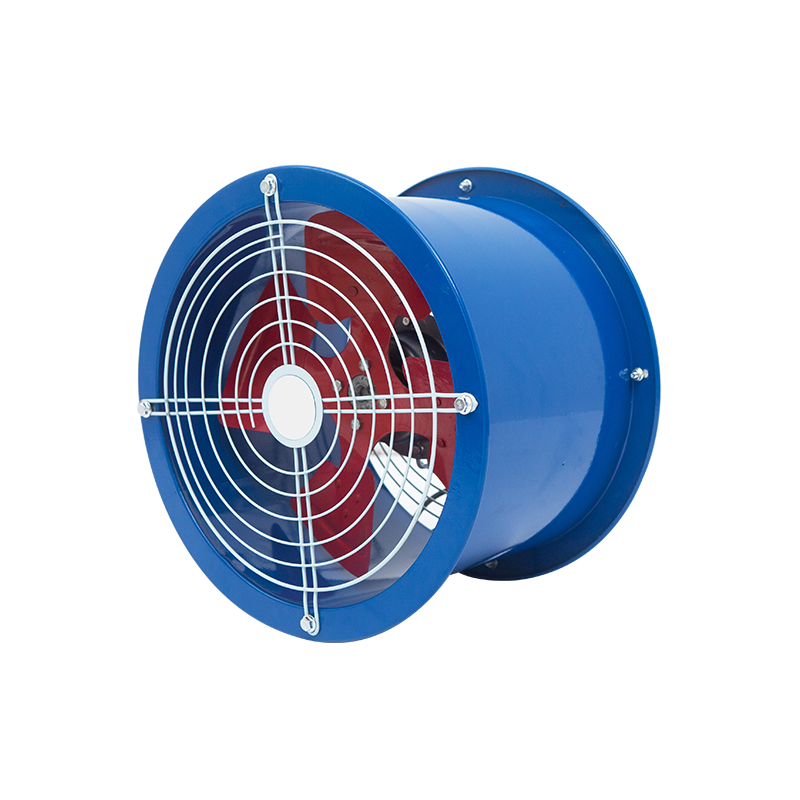
For decades, stainless steel was the default choice for heavy duty axial fans for chemical processing. However, the emergence of high-performance composites like Fiber Reinforced Plastic (FRP) has shifted the paradigm. When comparing stainless steel vs FRP fan blades, stainless steel offers superior mechanical impact resistance, but FRP provides nearly total immunity to a broader range of corrosive agents. In environments where hydrochloric acid or chlorine gas is present, the benefits of stainless steel axial fans may be limited by pitting corrosion, whereas FRP remains chemically inert. For engineers, determining the best axial fan for acidic environments involves weighing these chemical resistances against the required tip speed and operational temperature.
Chemical Resistance Performance
- FRP (Fiber Reinforced Plastic): Exceptional resistance to acids, alkalis, and solvents; ideal for scrubbing systems.
- 316L Stainless Steel: Good resistance to general oxidation, but susceptible to chloride-induced stress corrosion cracking.
- Aluminum Alloy: Lightweight and cost-effective, but requires specialized coatings for chemical plant use.
| Material Type | Acid Resistance | Alkali Resistance | Structural Rigidity |
| 304 Stainless Steel | Moderate | Good | High |
| 316L Stainless Steel | High | High | High |
| FRP / GRP | Excellent | Excellent | Moderate |
2. The Role of Specialized Coatings in Longevity
Even the most robust metal blades often require supplemental protection. Industrial exhaust fan blade coating options, such as Epoxy or Teflon (PTFE), can significantly extend the axial exhaust fans industrial service life. While an uncoated aluminum blade might fail within months in a high-humidity saline environment, a corrosion resistant fan for chemical plants utilizing powder-coated surfaces can last years. When comparing axial vs centrifugal fans for corrosion, axial fans are more compact but their blades are more exposed to the direct flow of the airstream, making axial fan motor protection for chemical use and blade coating even more critical. Proper axial fan maintenance for harsh environments must include regular inspection of these coatings to prevent localized oxidation.
Installation and Maintenance Sequence
- Surface Pre-treatment: Ensuring the blade substrate is chemically etched for maximum coating adhesion.
- Dynamic Balancing: Balancing the industrial ventilation for chemical plants after coating to prevent vibration-induced stress.
- Routine Inspection: Checking for "coating lift" or micro-cracks during scheduled downtime.
| Coating Type | Temperature Limit | Best Use Case |
| Polyester Powder | 80°C | General industrial ventilation |
| Epoxy Coating | 120°C | Solvent and alkaline environments |
| Teflon (PTFE) | 250°C | Highly concentrated acidic vapors |
3. Operational Efficiency and Safety in Hazardous Zones
In chemical plants, the energy efficient axial fans for factories must also comply with safety regulations regarding sparking. If flammable gases are present, choosing axial exhaust fans for hazardous areas requires non-sparking materials like cast aluminum or specialized plastic resins. The axial exhaust fans industrial airflow must be maintained at a constant rate to prevent the buildup of toxic fumes. Shengzhou Qiantai Electric Appliance Co., Ltd. adheres to a "customer first" philosophy, striving to provide excellent energy-saving products that do not compromise on safety. By integrating high temperature axial fan specifications with corrosion-resistant metallurgy, we provide solutions that stabilize the facility's internal climate while minimizing long-term operational costs.
Safety and Efficiency Indicators
- Static Pressure Efficiency: Ensuring the fan can overcome the resistance of chemical scrubbers or long ductwork.
- ATEX/Explosion-Proof Compliance: Mandatory for axial exhaust fans industrial used in chemical vapor zones.
Conclusion: A Material-First Approach
Ultimately, the "best" material depends on the specific chemical cocktail present in your facility. While FRP offers the highest chemical immunity, stainless steel remains the king of mechanical durability. As a leading manufacturer in the motor and fan industry, Shengzhou Qiantai Electric Appliance Co., Ltd. provides top-rated corrosion resistant fan blades across various series, ensuring your axial exhaust fans industrial systems are built for the quarter-century milestone. By focusing on reliable product quality and innovative design, we continue to contribute to the global advancement of the industrial ventilation sector.
Frequently Asked Questions (FAQ)
1. Why is 316L preferred over 304 stainless steel for axial exhaust fans industrial?
316L contains molybdenum, which provides much higher resistance to pitting and crevice corrosion in chloride-rich or acidic environments commonly found in chemical plants.
2. How often should I perform axial fan maintenance for harsh environments?
In high-corrosion zones, a quarterly visual inspection and a semi-annual mechanical check of the motor and blade coating are recommended to ensure industrial ventilation for chemical plants remains efficient.
3. Can energy efficient axial fans for factories also be corrosion resistant?
Yes. By utilizing aerodynamic corrosion resistant fan blades made of lightweight composites, the motor requires less torque to start and run, significantly reducing power consumption.
4. What is the main axial fan material selection guide rule for acidic vapors?
Always verify the pH levels. For highly acidic vapors (pH < 3), FRP or Teflon-coated stainless steel are the only viable options for long-term survival.
5. Is there a difference in axial vs centrifugal fans for corrosion resistance?
The difference lies in the airflow path. Axial fans move the chemical air directly over the motor and blades, necessitating specialized axial fan motor protection for chemical use, whereas some centrifugal designs can isolate the motor from the airstream.
Industry References
- AMCA Publication 211: Certified Ratings Program - Product Rating Manual for Fan Air Performance.
- ISO 14644-1: Cleanrooms and associated controlled environments.
- NACE International: Corrosion behavior of high-performance alloys in chemical process industries.
- Qiantai Technical Archive: "Analysis of Motor Thermal Stability in Chemical Ventilation" (2025).