
 English
 中文简体
中文简体News
Why is Your Axial Flow Extractor Fan Losing Suction, and How Can You Troubleshoot Common Motor Issues?
Content
- 1 1. Aerodynamic Resistance and the Impact of Static Pressure
- 2 2. Motor Troubleshooting: Electrical and Mechanical Failures
- 3 3. Maintenance and Optimization for Longevity
- 4 Conclusion: Ensuring Peak Ventilation Performance
- 4.1 Frequently Asked Questions (FAQ)
- 4.1.1 1. Why does my axial flow extractor fan hum but not spin?
- 4.1.2 2. How to increase suction on extractor fans without replacing the unit?
- 4.1.3 3. What are the most common axial fan motor overheating causes?
- 4.1.4 4. Is a noisy axial extractor fan motor dangerous?
- 4.1.5 5. How do I know I am choosing the right axial fan for warehouse ventilation?
- 4.2 Industry References
- 4.1 Frequently Asked Questions (FAQ)
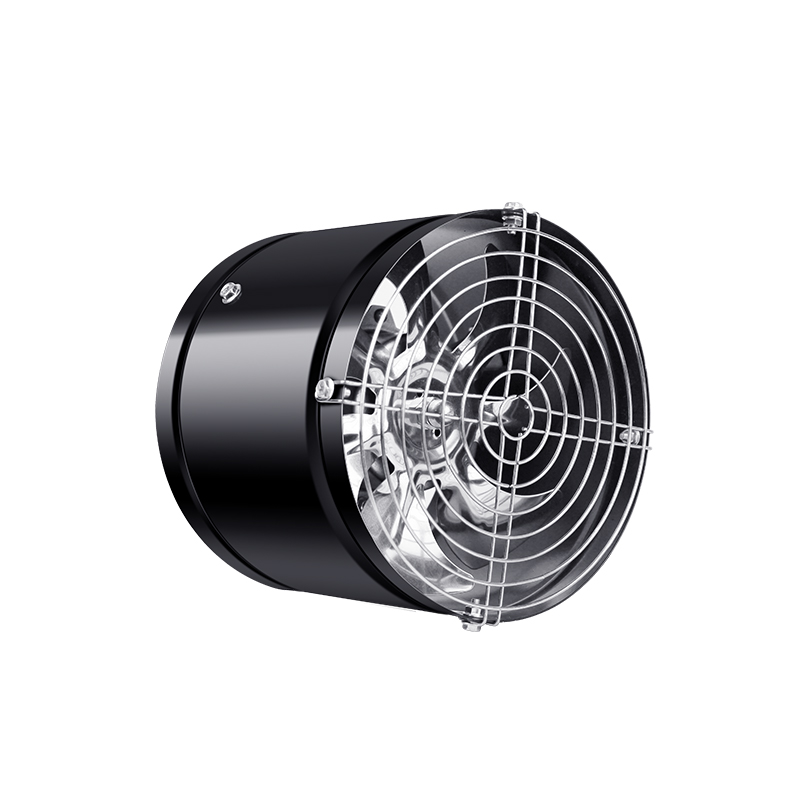
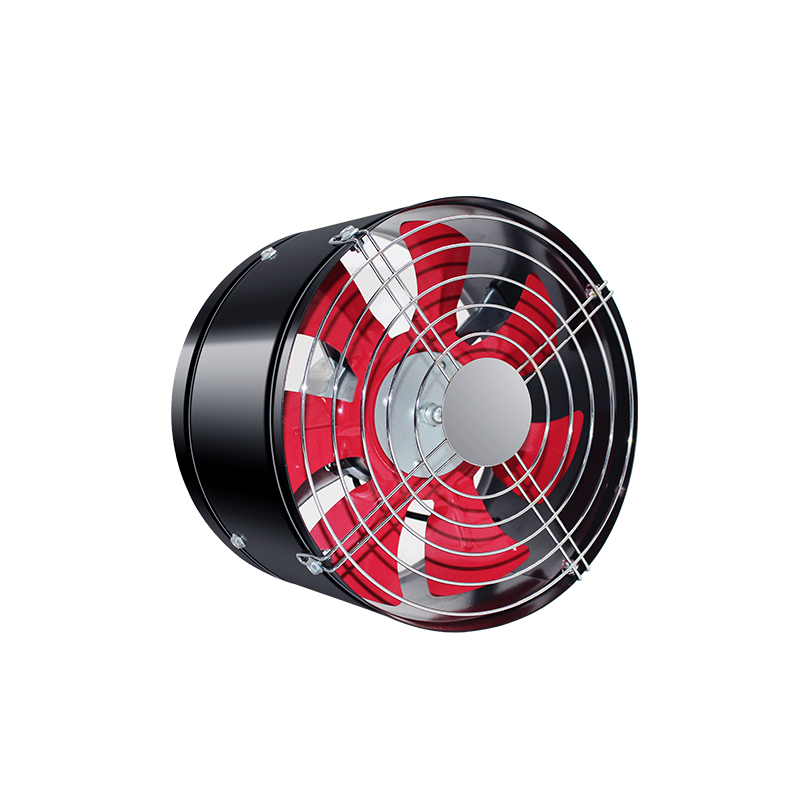
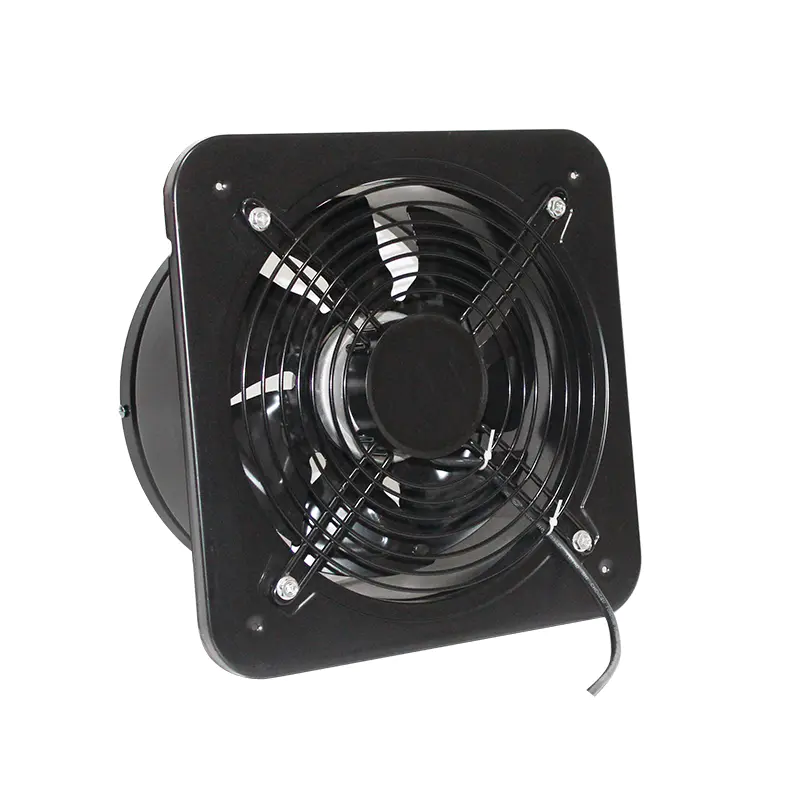
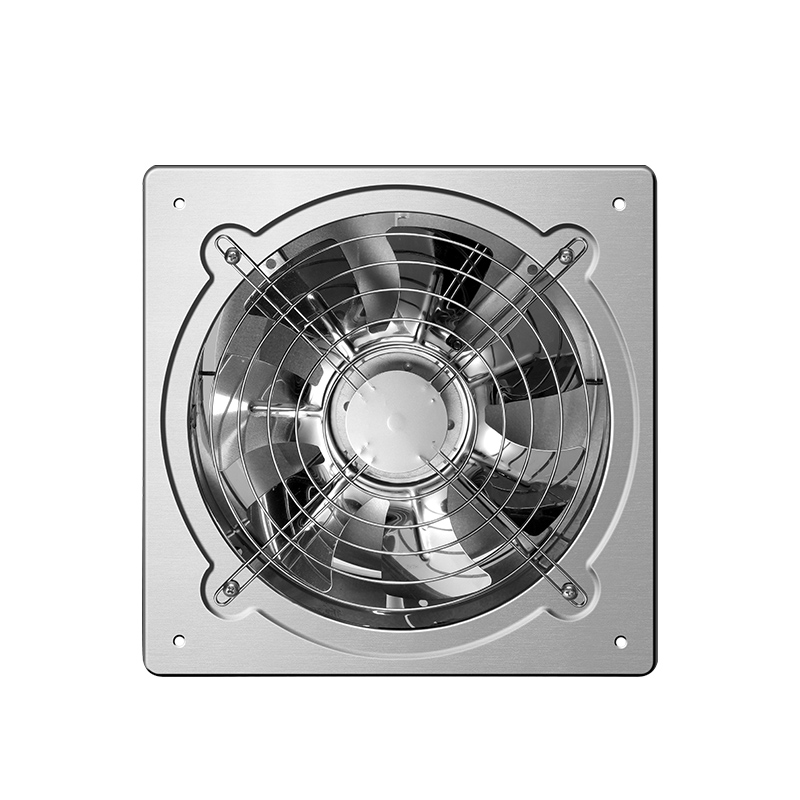
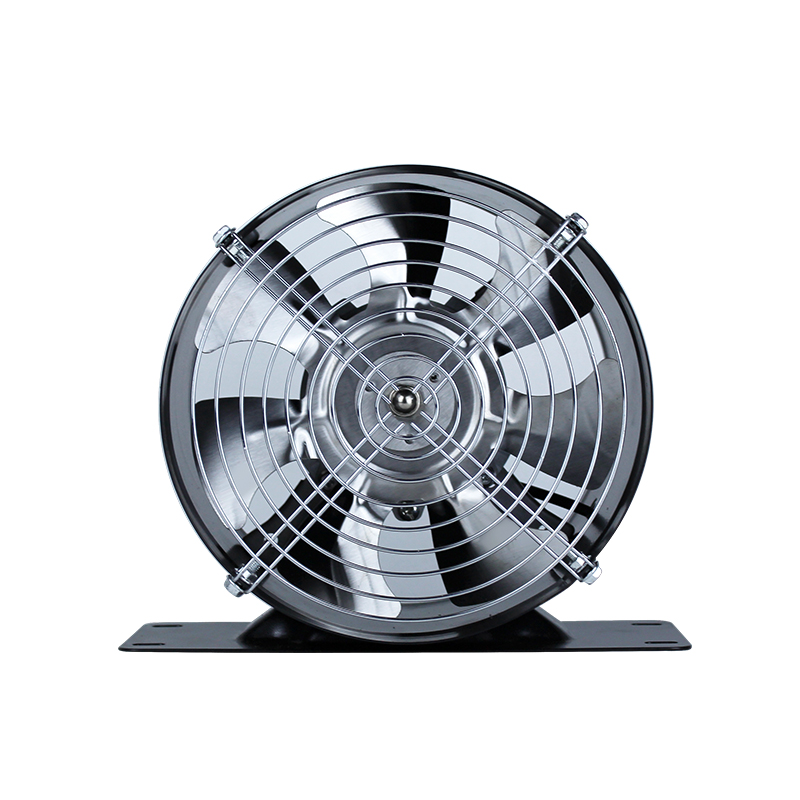
In industrial and commercial ventilation, the axial flow extractor fan is a workhorse designed to move large volumes of air at relatively low pressures. However, performance degradation—specifically a loss of suction—can compromise air quality in kitchens, factories, and warehouses. Understanding the mechanical and electrical variables behind this decline is essential for maintaining system efficiency. Shengzhou Qiantai Electric Appliance Co., Ltd., located in the "Town of the Motor" (Shengzhou City, Zhejiang Province), specializes in the professional design and production of high-performance ventilation systems. With advanced testing equipment and China Quality Certification Center (CQC) approval, our axial flow extractor fan units are engineered for reliability. This guide explores the engineering reasons behind suction loss and provides a deep dive into fan motor troubleshooting for professionals.
1. Aerodynamic Resistance and the Impact of Static Pressure
One of the primary reasons for reduced performance is an imbalance between the fan's design and the system's resistance. An axial flow extractor fan is highly efficient at moving air along the axis of the shaft, but it is sensitive to "system effect" losses. When comparing axial vs centrifugal fans for suction, axial fans excel in high-volume, low-resistance environments, whereas centrifugal fans are better suited for high-pressure ducting. If the industrial axial fan airflow calculation was performed incorrectly, or if filters are clogged, the fan may stall. Understanding how to increase suction on extractor fans often involves reducing downstream resistance rather than simply increasing motor speed. At Qiantai Electric, we emphasize the benefits of high CFM axial extractor fans that are balanced to handle specific pressure variables in factory and pipeline systems.
Performance Comparison: Airflow vs. Pressure
- Flow Characteristic: Axial fans move air parallel to the fan axis, providing high flow rates (CFM).
- Pressure Limit: Performance drops sharply if the static pressure exceeds the fan's peak threshold.
| Fan Variable | Low System Resistance | High System Resistance (Ducting) |
| Axial Fan Efficiency | Optimal (High CFM) | Low (Prone to Aerodynamic Stall) |
| Energy Consumption | Stable / Energy Saving | Increased due to Motor Load |
| Suction Perception | Strong / Consistent | Weak / Turbulent |
2. Motor Troubleshooting: Electrical and Mechanical Failures
The motor is the heart of any axial flow extractor fan. When suction drops, the issue often stems from the motor's inability to maintain the rated RPM. For troubleshooting common motor issues, engineers must first distinguish between electrical failure and bearing friction. A common sign of axial fan motor overheating causes is the smell of burnt resin or a thermal cut-out trip. When evaluating AC vs DC extractor fan motors, AC motors are robust for continuous industrial use, while DC motors offer better variable speed control. If you encounter a noisy axial extractor fan motor, it usually indicates bearing wear or an unbalanced impeller, both of which increase parasitic load and decrease suction efficiency.
Motor Diagnostics Sequence
- Voltage Verification: Check if the supply voltage matches the motor nameplate (e.g., 220V/380V).
- Capacitor Testing: For single-phase motors, a degraded capacitor will prevent the motor from reaching full torque.
- Insulation Resistance: Use a megohmmeter to ensure the windings are not grounded.
3. Maintenance and Optimization for Longevity
Consistent industrial axial fan maintenance is the most effective way to prevent suction loss. Dust accumulation on the blades alters the airfoil profile, which significantly reduces the lift generated by the axial flow extractor fan. For those choosing the right axial fan for warehouse ventilation, selecting a model with an IP-rated motor (to protect against dust and moisture) is critical. Qiantai Electric integrates "customer first" design principles, ensuring our industrial ventilation fan motor types are easy to access for cleaning and lubrication. By following a strict axial fan blade cleaning and maintenance schedule, you can restore original suction levels and reduce the risk of catastrophic motor failure.
| Maintenance Task | Frequency | Impact on Performance |
| Blade De-dusting | Monthly / Quarterly | Restores aerodynamic lift and suction |
| Bearing Lubrication | Semi-Annually | Reduces friction and noisy fan motor issues |
| Electrical Connection Audit | Annually | Prevents voltage drops and overheating |
Conclusion: Ensuring Peak Ventilation Performance
A loss of suction in an axial flow extractor fan is rarely a mystery; it is usually the result of excessive static pressure, motor degradation, or neglected maintenance. By understanding the benefits of high CFM axial extractor fans and performing regular fan motor troubleshooting, you can ensure your cooling and exhaust systems operate at peak efficiency. Shengzhou Qiantai Electric Appliance Co., Ltd. remains dedicated to providing energy-saving, reliable ventilation solutions that contribute to the development of the global fan industry. Our commitment to reliable product quality ensures that your workspace remains safe, cool, and well-ventilated.
Frequently Asked Questions (FAQ)
1. Why does my axial flow extractor fan hum but not spin?
This is usually caused by a failed start capacitor or seized bearings. In some cases, it may be an electrical phase loss in three-phase industrial motors.
2. How to increase suction on extractor fans without replacing the unit?
Ensure all intake and exhaust vents are clear, minimize the length of any connected ducting, and perform axial fan blade cleaning to restore the blade's aerodynamic profile.
3. What are the most common axial fan motor overheating causes?
Overheating is typically caused by restricted airflow over the motor housing, high ambient temperatures, or running the fan at a voltage lower than its rated specification.
4. Is a noisy axial extractor fan motor dangerous?
Yes, excessive noise often indicates mechanical imbalance or bearing failure. If left unaddressed, this can lead to shaft breakage or motor burnout, potentially causing a fire hazard.
5. How do I know I am choosing the right axial fan for warehouse ventilation?
You must calculate the total volume of the space and the required air changes per hour (ACH). Compare this against the industrial axial fan airflow calculation provided in the product specifications to ensure sufficient CFM.
Industry References
- AMCA Publication 201: Fans and Systems - Understanding Airflow Performance.
- China Quality Certification Center (CQC) Standards for Industrial Fans.
- IEEE 841: Standard for Petroleum and Chemical Industry—Premium Efficiency Motors.
- Qiantai Electric Internal Technical Bulletin: "Motor Efficiency and Heat Dissipation in Axial Systems" (2025).