
 English
 中文简体
中文简体Why Should You Choose a Simple Kitchen Exhaust Fan With Removable Filters for Easier Cleaning?
Content
- 1 1. The Mechanical Impact of Grease Accumulation on Motor Life
- 2 2. Streamlining Maintenance: The Practicality of Removable Designs
- 3 3. Improving Indoor Air Quality and Fire Safety
- 4 4. Technical Specifications and Energy Efficiency
- 5 5. Conclusion: A Small Choice with Large Benefits
- 6 Frequently Asked Questions (FAQ)
- 6.1 1. How to clean simple kitchen exhaust fan filters effectively?
- 6.2 2. How often should I replace or clean the filters?
- 6.3 3. Can I use a quiet kitchen exhaust fan for small kitchens without the filter?
- 6.4 4. What is the advantage of wall mounted kitchen exhaust fan installation for simple models?
- 6.5 5. Are Shengzhou Qiantai fans certified for safety?
- 7 Industry References
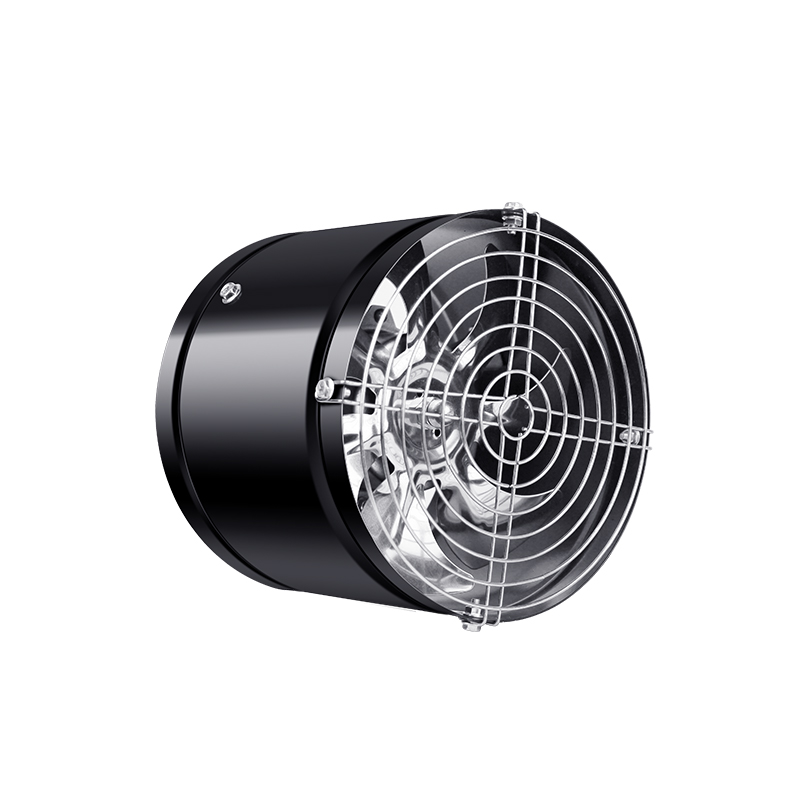
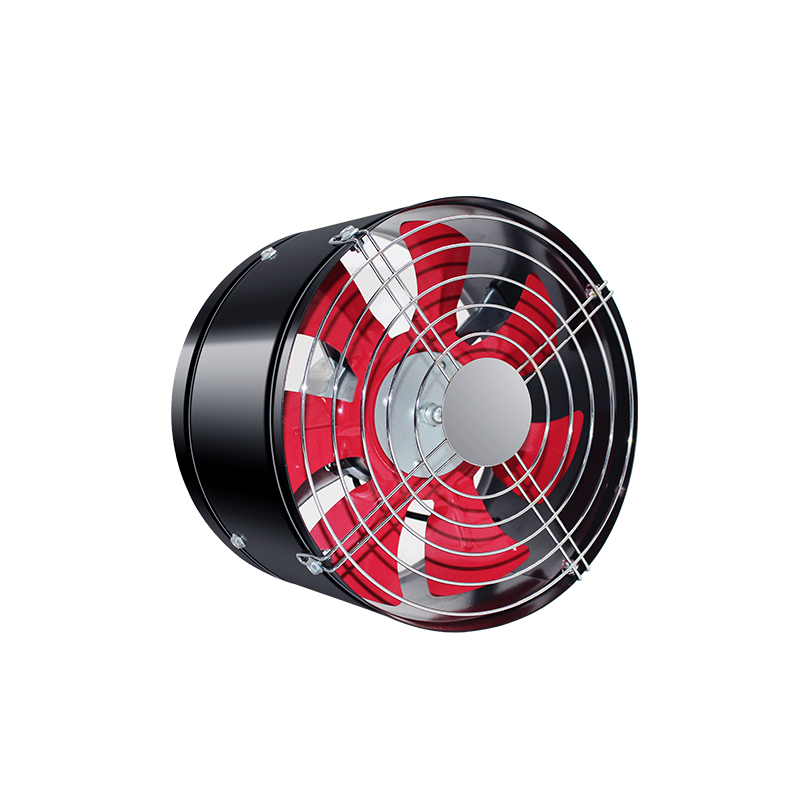
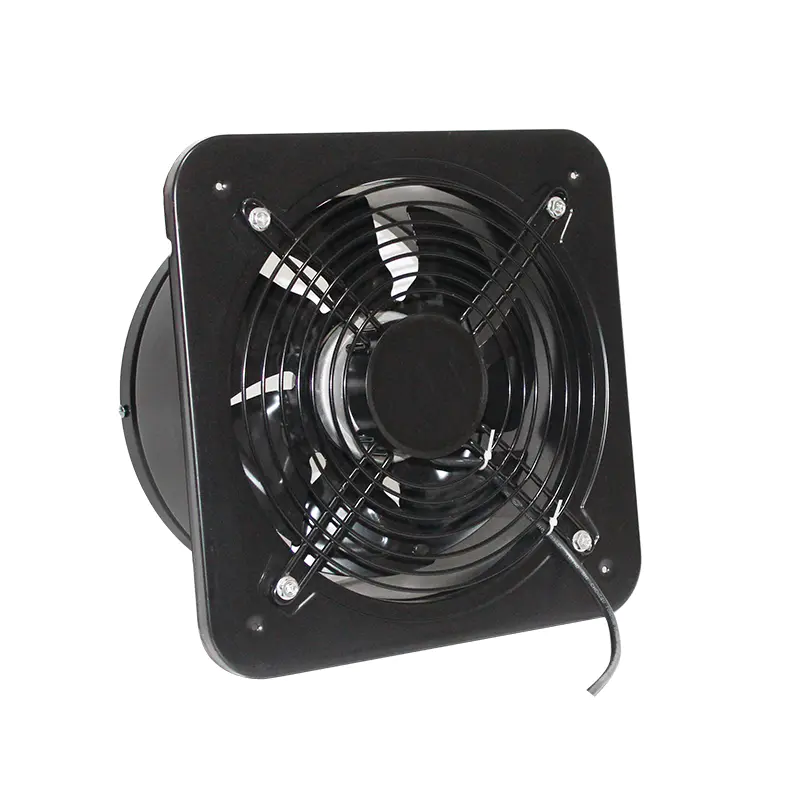
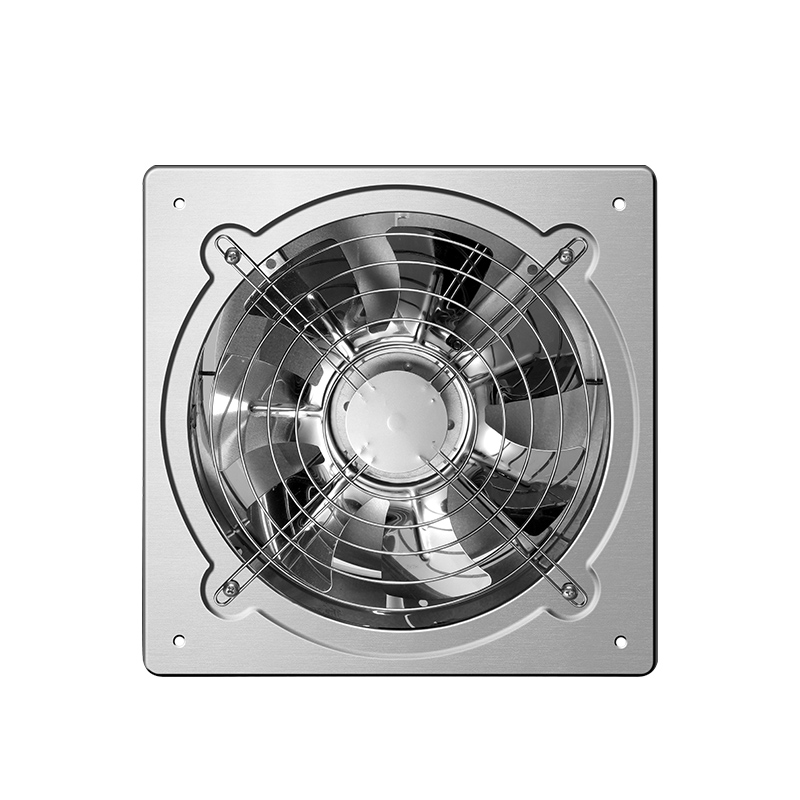
Maintaining a clean and healthy air environment in the heart of the home is a challenge faced by every homeowner. Cooking processes, particularly those involving high-heat frying or oil-heavy cuisines, release a complex mixture of grease particles, moisture, and volatile organic compounds (VOCs). A simple kitchen exhaust fan is often the most efficient solution for localized air extraction. However, the true engineering value of these units lies in their filtration systems. Shengzhou Qiantai Electric Appliance Co., Ltd., located in the renowned "town of the motor"—Shengzhou City, Zhejiang Province—specializes in the design and production of high-performance ventilation solutions. With a focus on energy-saving products and independent innovation, our certified exhaust fans are engineered to balance powerful extraction with user-centric maintenance. This article explores why selecting a unit with removable kitchen fan filters is a critical decision for both hygiene and mechanical longevity.

1. The Mechanical Impact of Grease Accumulation on Motor Life
The primary function of a simple kitchen exhaust fan is to move air, but in a kitchen environment, that air is laden with aerosolized lipids. Without effective removable kitchen fan filters, these grease particles bypass the intake and settle directly on the axial or centrifugal impeller and the motor housing. Over time, this buildup creates mechanical imbalance and increases the rotational mass, leading to premature motor bearing wear and electrical overheating. When comparing fans with high-quality filters to those without, the filtered units maintain their CFM (Cubic Feet per Minute) efficiency for significantly longer periods. Shengzhou Qiantai Electric Appliance Co., Ltd. ensures that our fan motors are built to sustain performance, but regular filter maintenance is what truly preserves the motor's design life.
Comparison: Filtered vs. Non-Filtered Mechanical Integrity
A unit with a removable filter protects the internal components from the "glue-like" effect of polymerized grease, whereas an unfiltered unit suffers from rapid efficiency decay.
| Criteria | Fan with Removable Kitchen Fan Filters | Standard Fan (No Filter) |
| Motor Protection | High (Blocks >90% of heavy grease) | None (Grease settles on windings) |
| Cleaning Complexity | Simple (Minutes; dishwasher safe) | Complex (Requires motor disassembly) |
| Long-term Airflow | Stable (With regular cleaning) | Degrading (Due to blade buildup) |
2. Streamlining Maintenance: The Practicality of Removable Designs
For many, the deterrent to frequent kitchen maintenance is the difficulty of the task. Modern easy clean kitchen exhaust fan designs prioritize the "tool-less" removal of filter screens. When considering how to clean simple kitchen exhaust fan filters, the process should be as simple as sliding the mesh out and soaking it in a degreasing agent or placing it in a dishwasher. This is a significant departure from older industrial-style fans that required unscrewing the entire housing. By choosing removable kitchen fan filters, the user ensures that the airflow path remains unobstructed, reducing the static pressure the motor must overcome and thereby lowering energy consumption.
3. Improving Indoor Air Quality and Fire Safety
Safety is a paramount concern for Shengzhou Qiantai Electric Appliance Co., Ltd.. A simple kitchen exhaust fan that is clogged with grease is not only inefficient but also a latent fire hazard. Grease is highly flammable; if a flare-up occurs on the stovetop, a grease-laden fan can act as a wick, spreading fire into the ductwork. By utilizing high suction kitchen fan with grease trap capabilities and removable filters, you create a primary barrier that prevents flammable buildup in hard-to-reach areas. Furthermore, efficient filtration reduces the "lingering smell" of cooking by capturing the odor-carrying grease particles before they can settle on fabrics and walls.
Comparison: Baffle Filters vs. Mesh Filters for Simple Fans
While both are removable, the choice between baffle and mesh designs depends on the intensity of cooking and the desired frequency of cleaning.
| Filter Type | Primary Benefit | Maintenance Frequency |
| Aluminum Mesh | Excellent at trapping fine particles | Frequent (Monthly) |
| Stainless Steel Baffle | Industrial-grade fire resistance | Moderate (Every 2-3 months) |
| Carbon/Charcoal | Maximum odor neutralization | Disposable (Cannot be washed) |
4. Technical Specifications and Energy Efficiency
When selecting a quiet kitchen exhaust fan for small kitchens, engineers look at the Sone rating (noise level) and the wattage-to-CFM ratio. A fan with a clean filter operates at its intended Sone level; however, as a filter becomes clogged, the motor must work harder, often resulting in increased vibration and noise. At Shengzhou Qiantai Electric Appliance Co., Ltd., we utilize advanced production and testing equipment to ensure our fans meet rigorous quality certifications. Our energy-saving motors are designed to run optimally when the airflow path is maintained, making the simple kitchen exhaust fan with a removable filter the most ecologically and economically sound choice for the "customer first" focused user.
Key Technical Features to Look For:
- Quick-Release Latches: For effortless filter removal without structural strain.
- Dishwasher-Safe Materials: Typically anodized aluminum or 304 stainless steel.
- High-Torque Energy-Saving Motors: Built to handle the slight resistance of high-density filters.
- Thermal Overload Protection: Ensures safety if a forgotten filter causes airflow blockage.
5. Conclusion: A Small Choice with Large Benefits
In conclusion, the decision to opt for a simple kitchen exhaust fan with removable filters is an investment in your home's air quality, safety, and the lifespan of the appliance itself. By reducing the labor required for maintenance, you ensure that the fan actually performs its intended task. Shengzhou Qiantai Electric Appliance Co., Ltd. remains committed to providing these excellent, energy-saving ventilation products. We welcome friends from all walks of life to experience the quality and innovation derived from our specialized production base in Shengzhou City.
Frequently Asked Questions (FAQ)
1. How to clean simple kitchen exhaust fan filters effectively?
Most removable mesh filters can be cleaned by soaking them in hot water mixed with a heavy-duty degreasing dish soap for 15 minutes, then scrubbing gently with a soft brush. Many are also dishwasher-safe on a high-temperature cycle.
2. How often should I replace or clean the filters?
For standard household use, we recommend cleaning the filters every 4 to 6 weeks. If you engage in heavy frying or commercial-style cooking, a bi-weekly cleaning schedule is optimal to maintain airflow.
3. Can I use a quiet kitchen exhaust fan for small kitchens without the filter?
While the fan will run, it is highly discouraged. Operating without a filter allows grease to coat the motor and interior ducting, creating a fire hazard and drastically shortening the motor's life.
4. What is the advantage of wall mounted kitchen exhaust fan installation for simple models?
Wall-mounted installations often allow for a more direct exhaust path (shorter ducting), which maximizes the efficiency of the simple kitchen exhaust fan and makes accessing the removable filters much easier for the user.
5. Are Shengzhou Qiantai fans certified for safety?
Yes, all our products pass through the China Quality Certification Center (CQC) and are designed according to international safety and energy-efficiency standards, ensuring reliability in home and industrial settings.
Industry References
- HVI (Home Ventilating Institute) 916: Airflow Test Procedure.
- NFPA 96: Standard for Ventilation Control and Fire Protection of Commercial Cooking Operations.
- ASHRAE 62.2: Ventilation and Acceptable Indoor Air Quality in Residential Buildings.
- ISO 5801: Industrial fans — Performance testing using standardized airways.