
 English
 中文简体
中文简体Axial Exhaust Fans Industrial vs. Centrifugal Fans: Engineering for High-Humidity Environments
Content
- 1 Understanding Airflow Dynamics: Axial vs. Centrifugal
- 2 Managing Corrosion and Moisture in Industrial Settings
- 3 Energy Efficiency and Operational Costs
- 4 Selection Criteria for High-Humidity Applications
- 5 Conclusion
- 6 Frequently Asked Questions (FAQ)
- 6.1 1. Can axial exhaust fans industrial be used with long ductwork?
- 6.2 2. How to maintain axial fans in high humidity to prevent failure?
- 6.3 3. What are the benefits of energy-saving industrial fans in large plants?
- 6.4 4. Are axial exhaust fans industrial louder than centrifugal fans?
- 6.5 5. What is the typical lifespan of an industrial fan in a humid environment?
- 7 Industry References
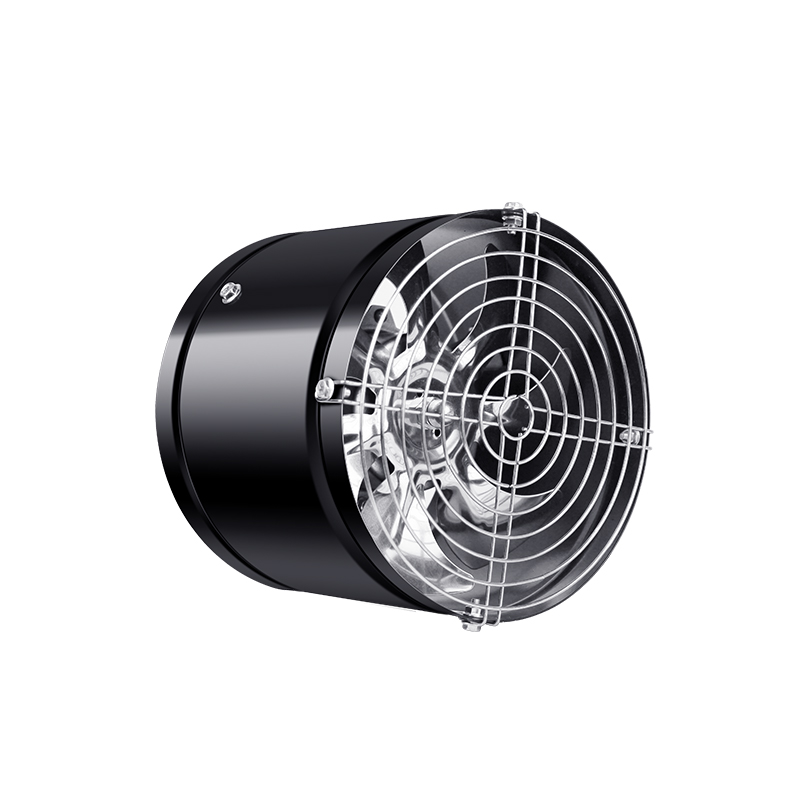
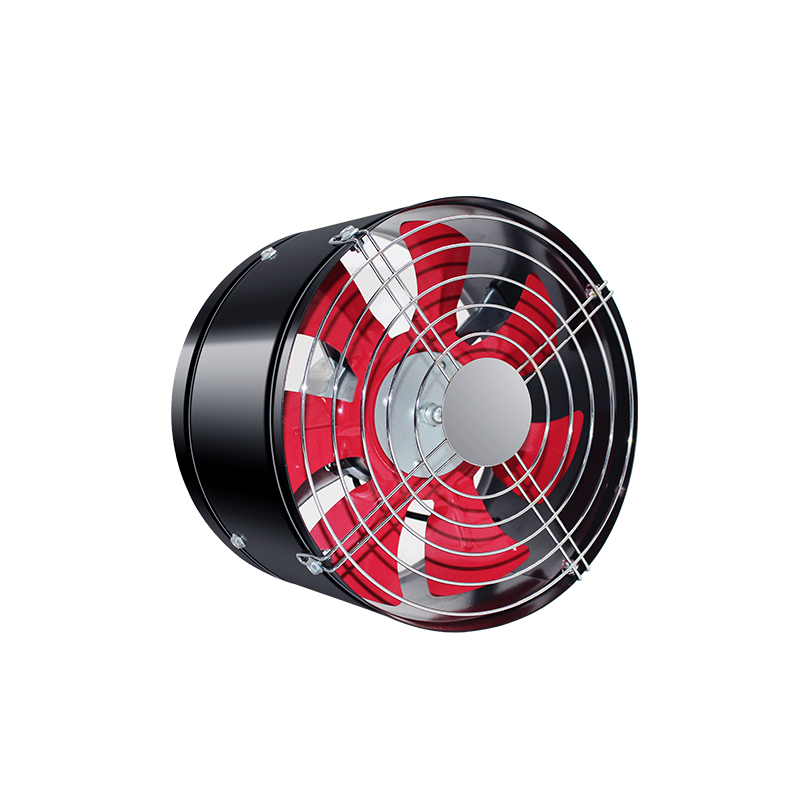
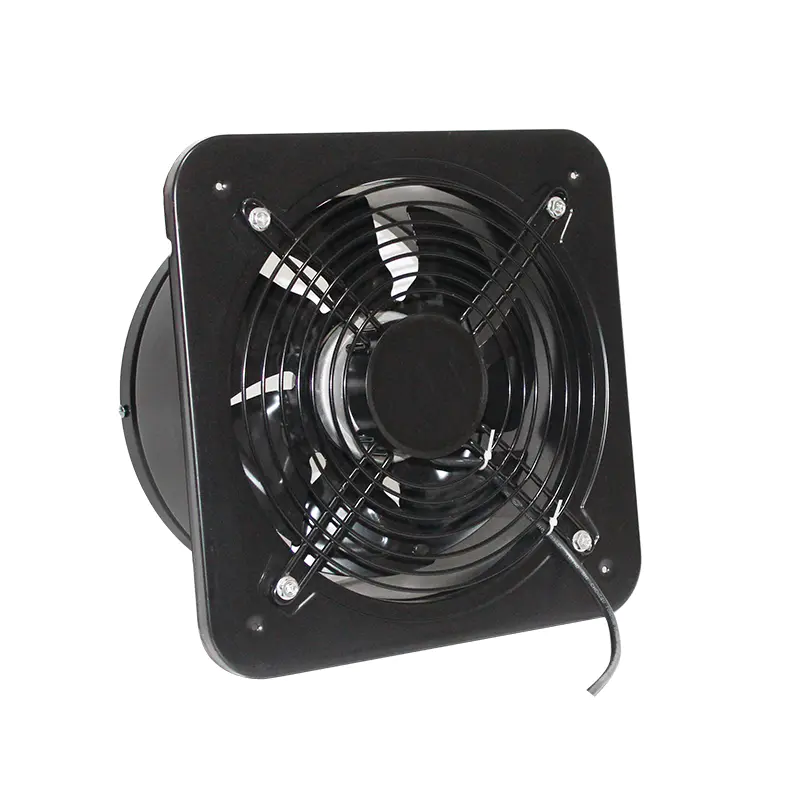
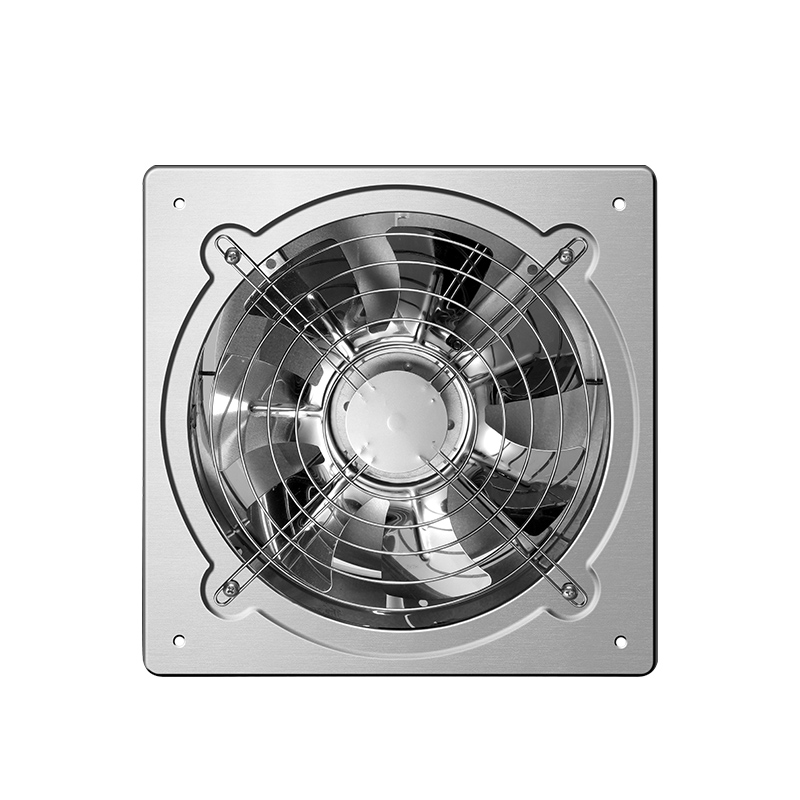
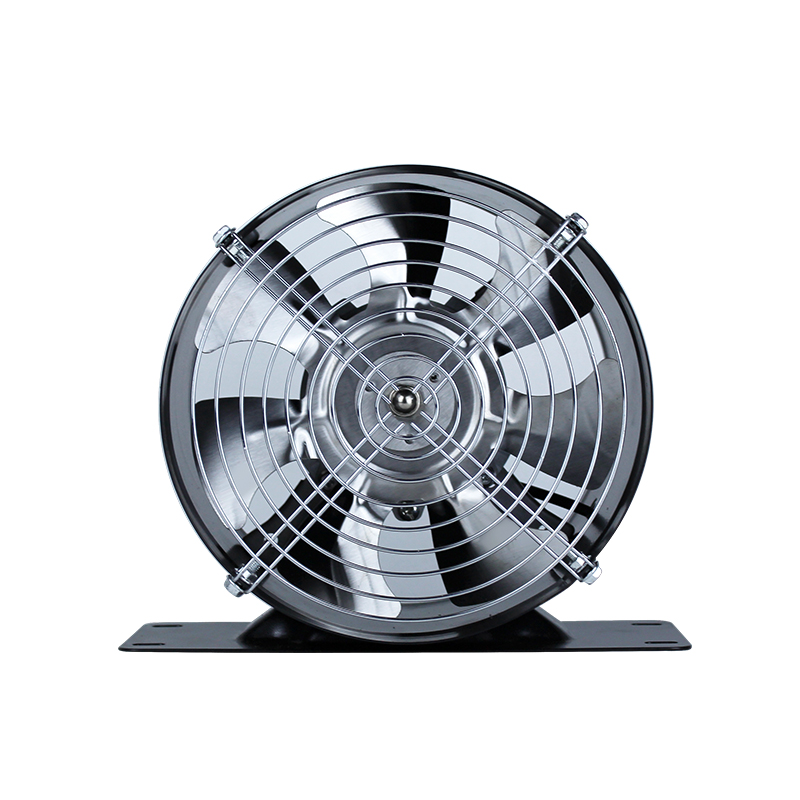
In industrial ventilation, selecting the correct fan architecture is critical when dealing with moisture-laden air. The axial exhaust fans industrial sector frequently debates the efficacy of axial versus centrifugal designs for high-humidity applications, such as food processing, chemical plants, and wastewater treatment facilities. Selecting the wrong type can lead to motor failure, corrosion, and inadequate air exchange. Shengzhou Qiantai Electric Appliance Co., Ltd., located in the "Town of the Motor" in Zhejiang Province, specializes in the design and production of high-performance axial and industrial fans, ensuring reliable airflow in the most demanding environments through advanced independent innovation and testing.

Understanding Airflow Dynamics: Axial vs. Centrifugal
The fundamental difference lies in how air is moved through the system. An axial exhaust fans industrial unit moves air parallel to the shaft, making it ideal for high-volume, low-resistance air movement. In contrast, centrifugal fans accelerate air radially and then redirect it 90 degrees, which is better suited for overcoming high static pressure. When evaluating how to choose an axial fan for warehouse ventilation in humid climates, engineers must weigh the simplicity of axial designs against the pressure-handling capabilities of centrifugal units.
Comparison: Performance in High-Humidity Ductwork
Axial fans provide significantly higher flow rates for open-space ventilation, while centrifugal fans maintain airflow through long, moisture-resistant ducting where static pressure is a major factor.
| Feature | Axial Fan Architecture | Centrifugal Fan Architecture |
| Airflow Path | Parallel to the drive shaft | Radial/90-degree redirection |
| Static Pressure Capability | Low (Standard) to Medium | High (Ideal for complex ducting) |
| Volume Capacity | High CFM (Cubic Feet per Minute) | Moderate to High |
Managing Corrosion and Moisture in Industrial Settings
High humidity introduces the risk of water ingress and chemical corrosion. For engineers, why axial fans are better for high volume airflow becomes clear in open-wall installations where there is minimal resistance. However, moisture can accumulate on blades, leading to imbalance. Shengzhou Qiantai Electric Appliance Co., Ltd. addresses this by using advanced coating technologies and moisture-resistant motors certified by the China Quality Certification Center, ensuring longevity even in saturated air.
Material Integrity and IP Ratings
The choice of material often depends on the specific moisture content and presence of corrosive agents. Comparing corrosion resistant axial fans vs centrifugal fans, axial units are often easier to coat uniformly due to their blade geometry, whereas centrifugal housings can trap condensation in the scroll.
| Specification | Industrial Axial Fan | Industrial Centrifugal Fan |
| Moisture Drainage | Naturally sheds via centrifugal force | Condensation can collect in the housing |
| Maintenance Access | High (Easier to clean blades) | Moderate (Requires housing disassembly) |
| Ideal IP Rating | IP55 or IP66 for humid zones | IP55 or higher for enclosed motors |
Energy Efficiency and Operational Costs
Energy consumption is a primary driver in fan selection. When researching axial vs centrifugal fan efficiency in factories, axial fans generally offer higher efficiency at lower static pressures, which is typical for general exhaust. However, if the humidity must be extracted through a filtration system or scrubbers, a centrifugal fan may actually be more energy-efficient because it operates at its peak performance curve under high resistance.
Technical Advantages of Axial Systems at Qiantai:
- High Efficiency Motors: Our supporting motors are engineered for energy-saving performance.
- Compact Footprint: Easier integration into existing factory walls or pipelines.
- Variable Pitch Blades: Allows for fine-tuning the airflow to specific humidity levels.
Selection Criteria for High-Humidity Applications
When specifying industrial axial fans for humid factory environments, engineers must calculate the Total Static Pressure (TSP). If the system involves only a wall-mounted exhaust, axial fans are the superior choice for cost and volume. If the air must travel through moisture-collection baffles, centrifugal fans become necessary. Shengzhou Qiantai Electric Appliance Co., Ltd. provides a range of axial exhaust fans industrial solutions that balance these technical needs with reliable quality and user experience.
| Application Scenario | Recommended Fan Type | Primary Technical Reason |
| General Factory Cooling | Axial Exhaust Fans Industrial | Maximum air exchange with low power draw. |
| Scrubber Exhaust Systems | Centrifugal Fan | Capable of pulling air through wet filters. |
| Warehouse Moisture Control | Axial Exhaust Fans Industrial | Rapid turnover of air to prevent condensation. |
Conclusion
Both axial and centrifugal fans have their place in industrial humidity management. For the majority of high-volume exhaust needs in factories and warehouses, axial exhaust fans industrial offer the best balance of efficiency and cost. By partnering with a professional manufacturer like Shengzhou Qiantai Electric Appliance Co., Ltd., businesses can leverage independent innovation and advanced testing equipment to ensure their ventilation systems stand up to the rigors of high-moisture environments.
Frequently Asked Questions (FAQ)
1. Can axial exhaust fans industrial be used with long ductwork?
Generally, no. Axial fans are designed for low static pressure. If your humid air needs to travel through long ducts, a centrifugal fan or a high-pressure axial fan specifically engineered for ducting is required.
2. How to maintain axial fans in high humidity to prevent failure?
Routine maintenance should include checking the motor seals, cleaning the blades to prevent moisture-induced imbalance, and ensuring the protective coatings remain intact to prevent corrosion.
3. What are the benefits of energy-saving industrial fans in large plants?
Energy-saving fans reduce operational costs significantly over a 24/7 duty cycle. Our fans at Shengzhou Qiantai Electric Appliance Co., Ltd. focus on optimized motor-to-blade efficiency to provide maximum CFM per watt.
4. Are axial exhaust fans industrial louder than centrifugal fans?
Typically, axial fans are louder for the same volume of air because of the higher tip speeds of the blades. However, for general industrial exhaust, this is usually an acceptable trade-off for their higher efficiency.
5. What is the typical lifespan of an industrial fan in a humid environment?
With proper IP-rated motors and corrosion-resistant materials, a high-quality fan from a reputable manufacturer can last 10 to 15 years or more, depending on the severity of the chemical environment.
Industry References
- AMCA (Air Movement and Control Association) Publication 201: Fans and Systems.
- ASHRAE Handbook: HVAC Systems and Equipment - Chapter 21: Fans.
- ISO 13348: Industrial fans — Tolerances, methods of conversion and technical data presentation.
- China Quality Certification Center (CQC) Standards for Industrial Ventilation.