
 English
 中文简体
中文简体What are the Best Practices for Installing an Axial Flow Extractor Fan to Maximize Energy Efficiency and Minimize Noise?
Content
- 1 1. Strategic Placement and Aerodynamic Considerations
- 2 2. Advanced Mounting Techniques to Minimize Vibration and Noise
- 3 3. Ductwork Engineering and Static Pressure Management
- 4 4. Electrical Integration and Motor Efficiency
- 5 5. Maintenance for Long-Term Efficiency
- 6 Frequently Asked Questions (FAQ)
- 6.0.1 1. Can an axial flow extractor fan be used in high-pressure duct systems?
- 6.0.2 2. How do I reduce the 'whooshing' sound from my extractor fan?
- 6.0.3 3. Is an axial flow extractor fan suitable for hot kitchen exhaust?
- 6.0.4 4. Does the number of blades affect noise?
- 6.0.5 5. Why is my fan vibrating even though it's new?
- 7 Industry References
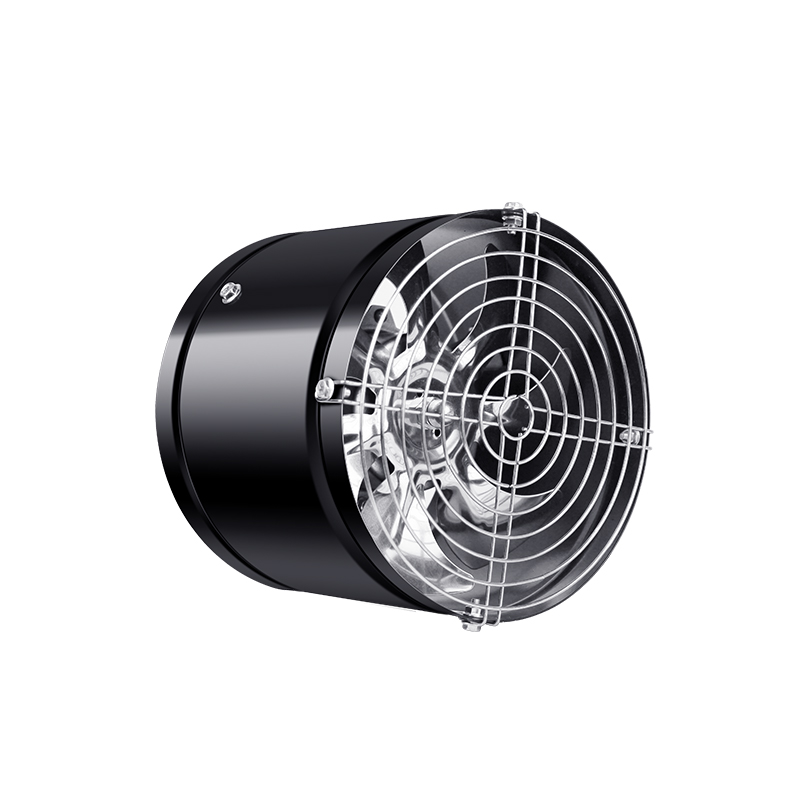
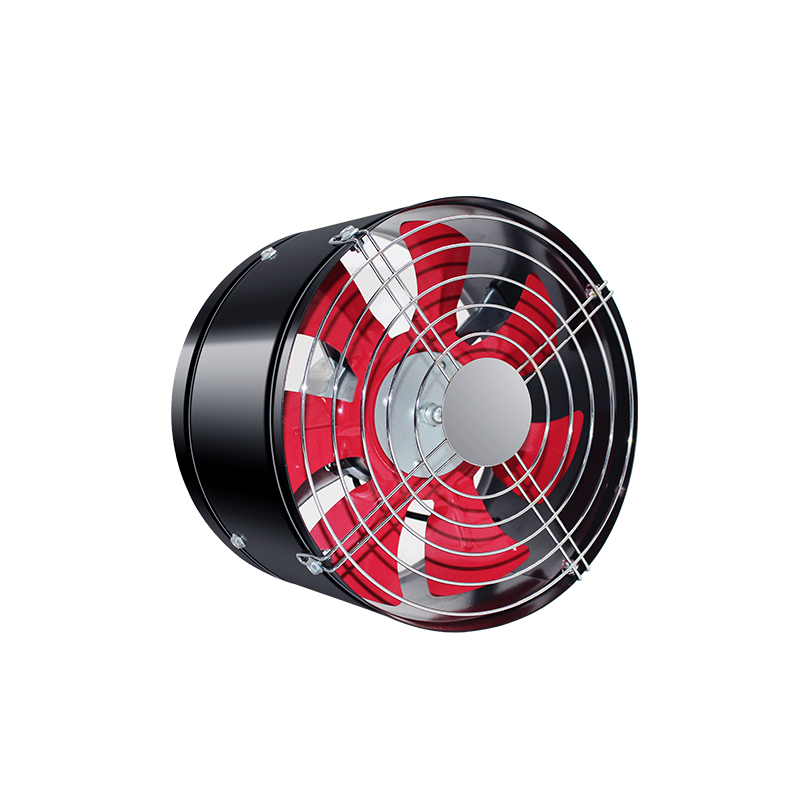
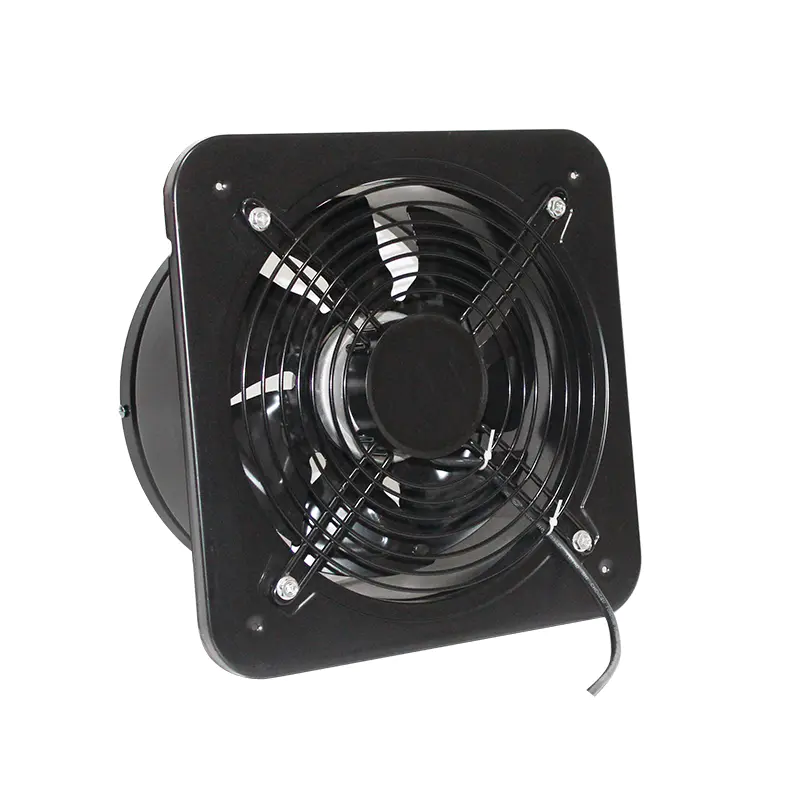
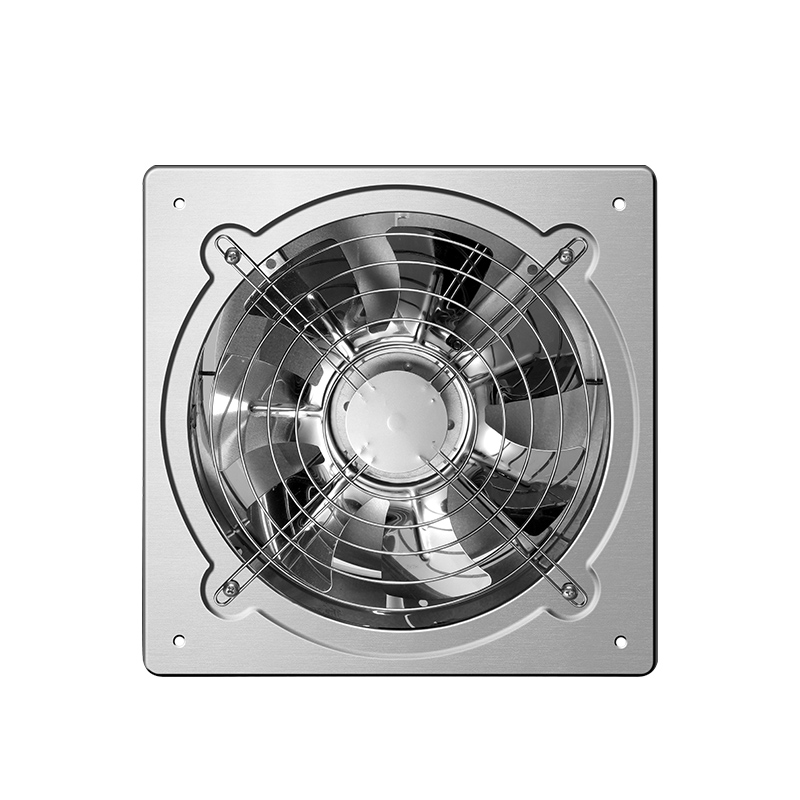
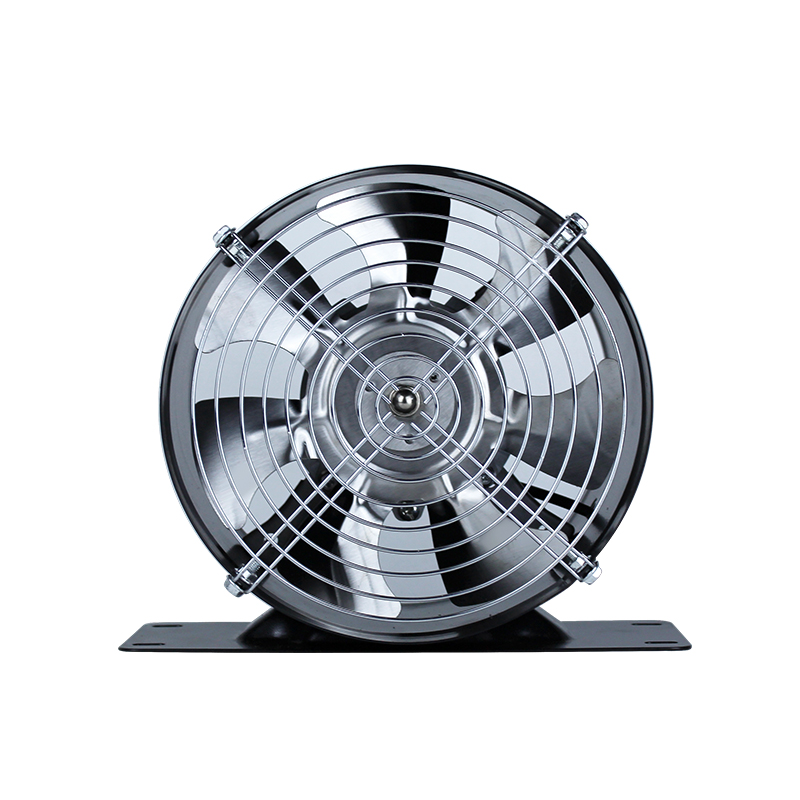
In the realm of industrial and domestic ventilation, the axial flow extractor fan remains a cornerstone for moving large volumes of air at relatively low pressures. However, the performance of these units is heavily dictated by the quality of installation. Improper mounting or ducting can lead to "system effect" losses, where the fan operates far below its rated efficiency while generating excessive acoustic disturbance. Shengzhou Qiantai Electric Appliance Co., Ltd., a professional manufacturer based in the "Town of the Motor," focuses on high-performance fan design and motor integration to ensure every unit meets the rigorous demands of modern exhaust and cooling systems.
1. Strategic Placement and Aerodynamic Considerations
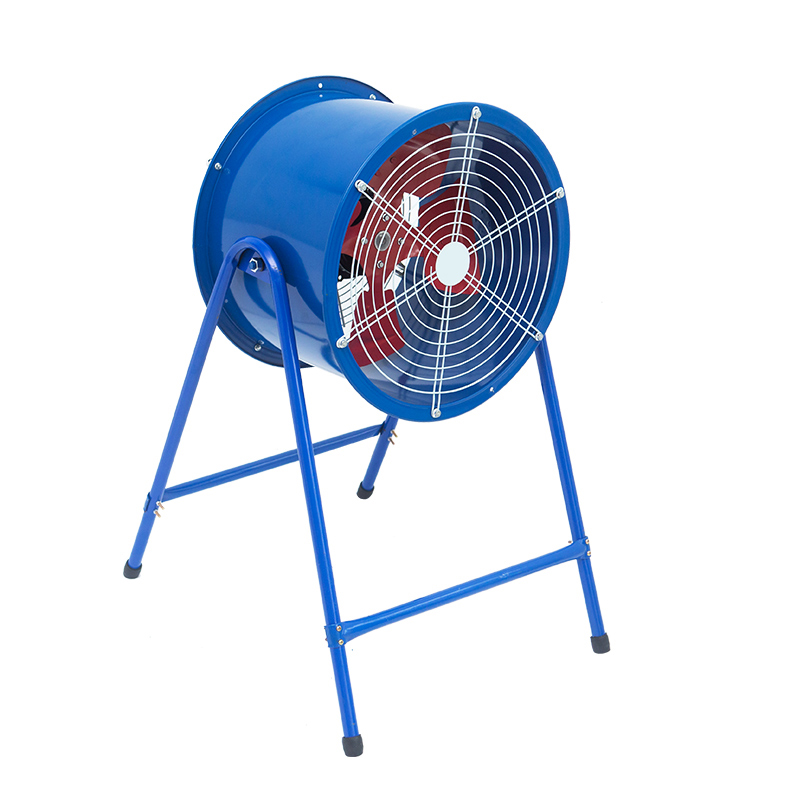
The first step in any installation is determining how to position an axial flow extractor fan for optimal airflow. To maximize energy efficiency, the inlet and outlet should be free of obstructions. When a fan is placed too close to a wall or a sharp bend, it creates turbulent air pockets that force the motor to work harder, increasing power consumption. An axial flow extractor fan operates most efficiently when the air enters the blades in a laminar, uniform flow.
While standard installations often overlook the distance from bends, professional engineering requires a straight duct run of at least three to five times the fan diameter before and after the unit. This reduces the static pressure the fan must overcome.
| Installation Parameter | Optimized Configuration | Poor Configuration |
| Inlet Clearance | Smooth, unobstructed path | Sharp 90-degree bends near inlet |
| Proximity to Walls | Distance > 1.5x fan diameter | Directly adjacent to structural walls |
| Airflow Type | Laminar (Uniform velocity) | Turbulent (Swirling/Uneven) |
2. Advanced Mounting Techniques to Minimize Vibration and Noise
Noise in ventilation systems is often a byproduct of mechanical vibration rather than the air itself. Engineers often ask, what is the best mounting method for a quiet axial flow extractor fan? The answer lies in vibration isolation. Using resilient mounts or spring isolators prevents the kinetic energy of the motor from transferring to the building structure, which can act as a sounding board.
Furthermore, why do axial flow extractor fans vibrate excessively? This is often due to structural resonance or imbalance. Shengzhou Qiantai Electric Appliance Co., Ltd. utilizes advanced testing equipment to ensure dynamic balance in its fan blades, but even a balanced fan requires a rigid, level mounting surface to maintain its quiet operation over time.
| Noise Source | Solution for Axial Fans | Benefit |
| Mechanical Vibration | Rubber isolators or spring mounts | Reduces structural resonance |
| Acoustic Air Noise | Internal duct silencers/liners | Dissipates sound energy in the airstream |
| Motor Hum | High-quality copper windings and precision bearings | Reduces electromagnetic and friction noise |
3. Ductwork Engineering and Static Pressure Management
The efficiency of an axial flow extractor fan is inversely proportional to the resistance it faces. A common technical error is how to calculate the duct size for an axial flow extractor fan incorrectly, leading to high-velocity noise and pressure drops. Smooth-walled ducts are far superior to flexible, ribbed ducting, which can increase friction loss by up to 50%.
If you are wondering why is my axial flow extractor fan not pulling enough air, the culprit is likely "System Effect." This occurs when the duct geometry prevents the fan from developing its full pressure potential. Proper transition pieces should be used if the duct size must change, ideally with a slope of no more than 15 degrees.
4. Electrical Integration and Motor Efficiency
The heart of the system is the motor. For industrial applications, what are the power requirements for a heavy-duty axial flow extractor fan? It is essential to match the electrical supply with the motor's nameplate specifications. Shengzhou Qiantai Electric Appliance Co., Ltd. produces motors that are certified by the China Quality Certification Center, emphasizing energy-saving properties.
Implementing Variable Frequency Drives (VFDs) can significantly increase axial flow extractor fan efficiency by allowing the fan speed to match the actual demand of the kitchen, warehouse, or factory environment, rather than running at 100% capacity at all times.
- VFD Compatibility: Allows for soft starts and reduced mechanical stress.
- Thermal Protection: Prevents motor burnout in high-temperature factory environments.
- Wiring Integrity: Use shielded cables to minimize electromagnetic interference in industrial sensors.
5. Maintenance for Long-Term Efficiency
Even the best installation will degrade without maintenance. Professionals frequently ask, how to clean axial flow extractor fan blades for efficiency? Dust and grease accumulation on the blades changes their aerodynamic profile, leading to increased drag and noise. Regular inspection of the bearings and motor heat fins ensures that the system remains an energy efficient axial flow extractor fan for industrial use.
| Maintenance Task | Frequency | Impact on Efficiency |
| Blade Cleaning | Every 3-6 months | Maintains aerodynamic lift and balance |
| Bearing Lubrication | Annually (if not sealed) | Reduces friction and motor heat |
| Electrical Check | Annually | Ensures optimal power factor and safety |
Frequently Asked Questions (FAQ)
1. Can an axial flow extractor fan be used in high-pressure duct systems?
Generally, an axial flow extractor fan is designed for high volume and low pressure. For systems with extensive ducting and high static pressure, a centrifugal fan may be required, or multiple axial fans can be installed in series (staged) to increase pressure capability.
2. How do I reduce the 'whooshing' sound from my extractor fan?
The 'whooshing' is often air turbulence. You can reduce this by increasing the duct diameter to lower the air velocity and by ensuring the axial flow extractor fan is not operating at the very end of its performance curve (stalling).
3. Is an axial flow extractor fan suitable for hot kitchen exhaust?
Yes, provided the motor is rated for the temperature. Shengzhou Qiantai Electric Appliance Co., Ltd. designs fans specifically for kitchen and factory environments where heat and grease are prevalent, utilizing robust motor housings and heat-resistant finishes.
4. Does the number of blades affect noise?
Yes. Typically, fans with more blades can move the same amount of air at lower RPMs, which generally results in a quiet axial flow extractor fan compared to a few-bladed fan spinning at high speeds.
5. Why is my fan vibrating even though it's new?
This is usually due to improper mounting or the axial flow extractor fan being mounted on a flexible or weak surface. Ensure the mounting plate is rigid and that all fasteners are tightened to the correct torque specifications.
Industry References
- AMCA Publication 201: Fans and Systems - Understanding System Effect.
- ASHRAE Handbook: HVAC Systems and Equipment - Fan Installation Standards.
- ISO 13348: Industrial fans — Tolerances, methods of conversion and technical data presentation.
- Technical Standards by Shengzhou Qiantai Electric Appliance Co., Ltd. Engineering Department.