
 English
 中文简体
中文简体What are the Key Differences in Performance Between Airflow Axial Fans and Centrifugal Fans for Industrial Ventilation?
Content
- 1 Aerodynamic Principles: Axial Flow vs. Radial Flow
- 2 Operational Environments and Application Suitability
- 3 Technical Specifications and Motor Engineering
- 4 Conclusion: Making the Informed Choice
- 4.1 Frequently Asked Questions (FAQ)
- 4.1.1 1. When should I choose an axial fan over a centrifugal one?
- 4.1.2 2. Are axial fans capable of handling ductwork?
- 4.1.3 3. How do I maintain the efficiency of my industrial fan?
- 4.1.4 4. Can axial fans be used for cooling sensitive electronics?
- 4.1.5 5. Is the noise level of an axial fan manageable in a restaurant?
- 4.2 Industry References
- 4.1 Frequently Asked Questions (FAQ)
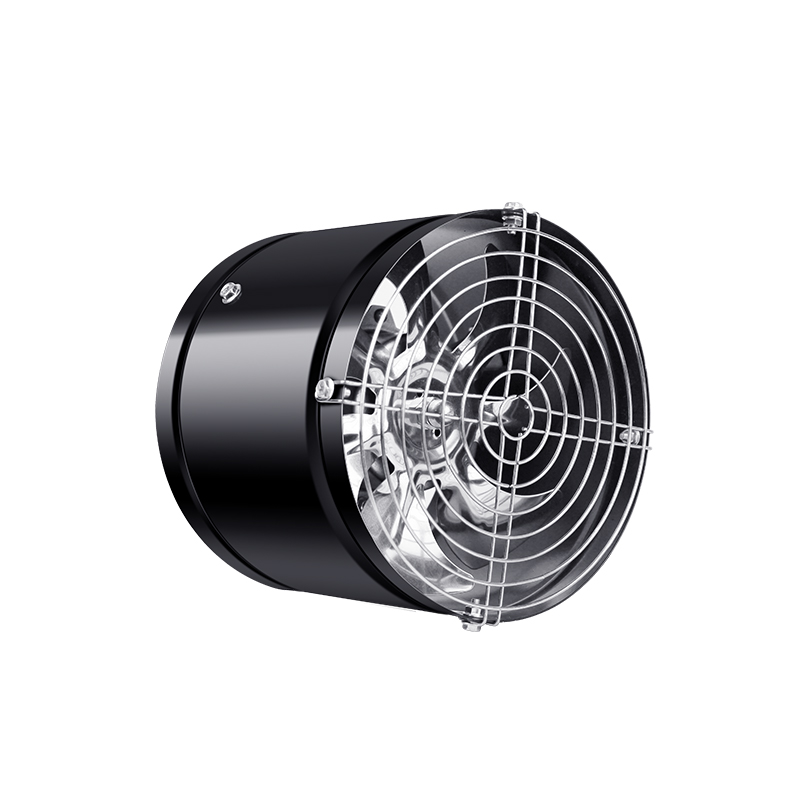
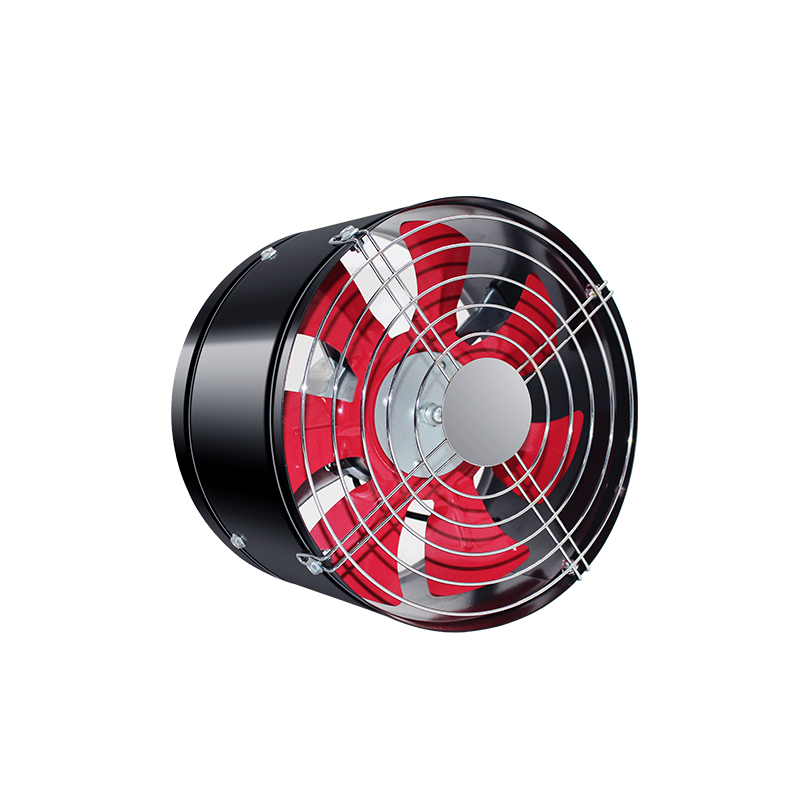
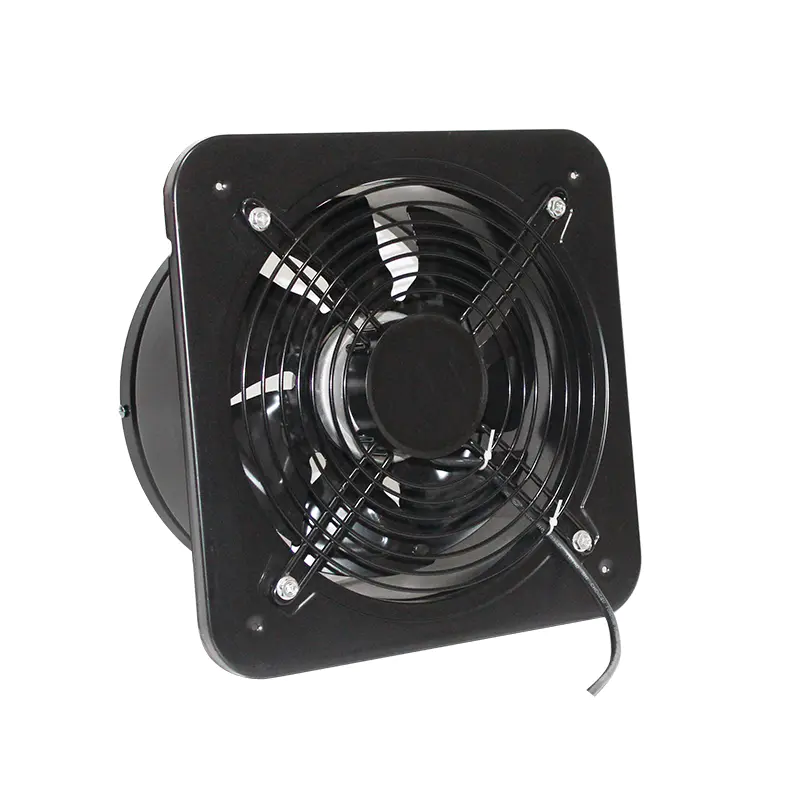
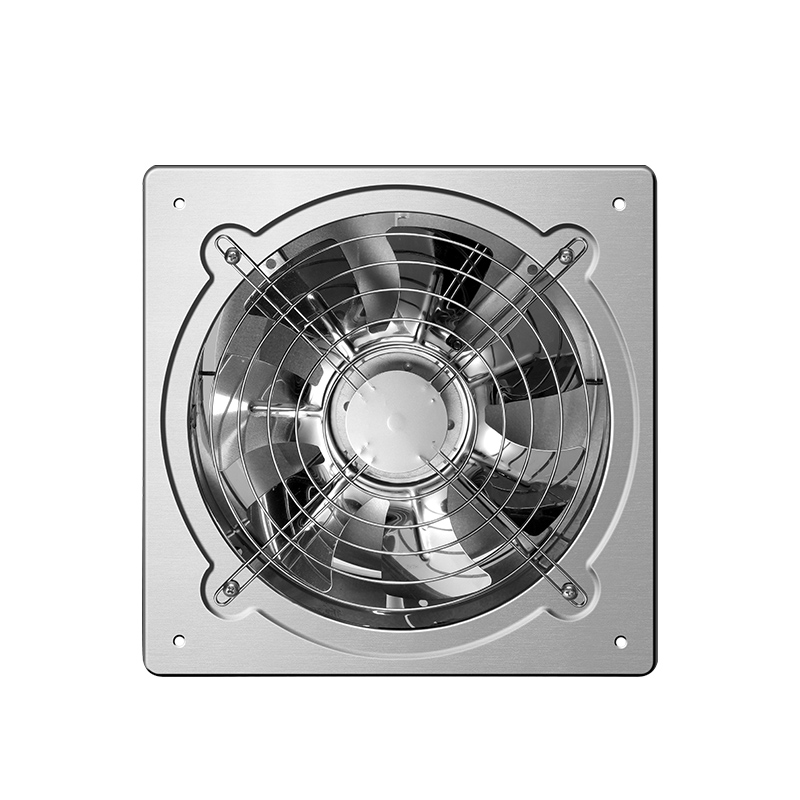
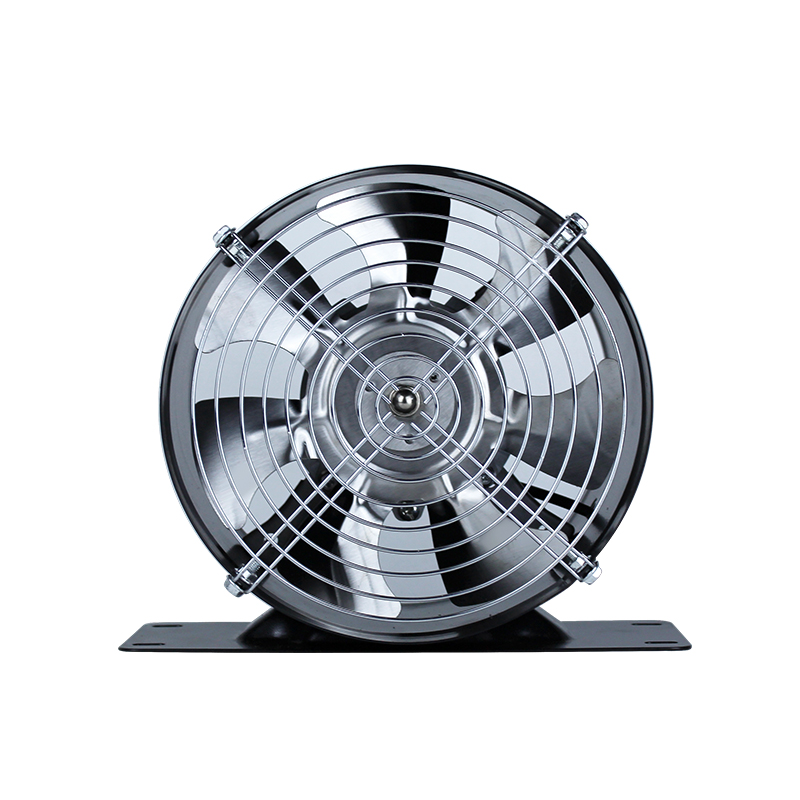
In the field of industrial fluid dynamics, selecting the correct ventilation architecture is critical for thermal management and air quality. The primary choice often falls between airflow axial fans and centrifugal fans. While both serve the fundamental purpose of air movement, their aerodynamic principles and pressure-volume curves differ significantly. Shengzhou Qiantai Electric Appliance Co., Ltd., located in the renowned "Town of the Motor" in Zhejiang Province, specializes in the precision engineering of airflow axial fans to meet the rigorous demands of modern exhaust and cooling systems.
Aerodynamic Principles: Axial Flow vs. Radial Flow
The fundamental difference between axial and centrifugal fan airflow lies in the direction of the air discharge. An axial fan moves air parallel to its shaft, creating a high-volume stream at relatively low pressure. In contrast, a centrifugal fan pulls air into the intake and redirects it at a 90-degree angle using centrifugal force, which is how centrifugal fans generate higher static pressure compared to axial designs. For engineers, understanding this axial fan vs centrifugal fan efficiency ratio is the first step in system optimization.
Flow Direction and Pressure Comparison
- Axial Flow: Linear air movement, ideal for general industrial ventilation fan types.
- Centrifugal Flow: Radial air movement, capable of overcoming high resistance in ductwork.
| Performance Metric | airflow axial fans | Centrifugal Fans |
| Air Volume Flow Rate | Very High | Medium |
| Static Pressure Capability | Low to Medium | High |
| Installation Footprint | Compact (In-line) | Larger (Right-angle) |
Operational Environments and Application Suitability
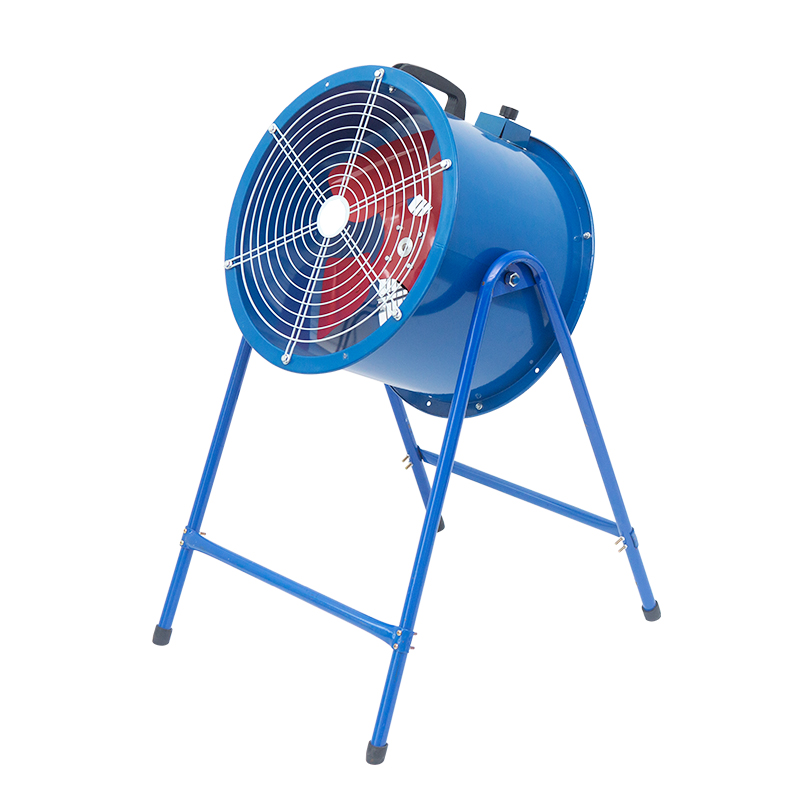
When evaluating industrial axial fan applications, these units excel in "free air" conditions or systems with minimal ducting, such as factory floor cooling or warehouse exhaust. However, if a system requires air to travel through complex filtration or extensive piping, centrifugal fans for high pressure ductwork are often necessary. At Shengzhou Qiantai Electric Appliance Co., Ltd., we focus on improving airflow axial fan efficiency through advanced blade pitch research, ensuring our motors deliver maximum performance for commercial kitchen exhaust fan systems.
Scenario-Based Performance Analysis
The noise level comparison axial vs centrifugal fans is a vital consideration for indoor environments. Centrifugal fans are generally quieter in high-pressure scenarios, whereas axial fans provide better energy-saving metrics in high-volume, low-resistance environments like axial fans for cooling electronic equipment.
| Application Scenario | Best Fan Choice | Reasoning |
| Warehouse Heat Extraction | airflow axial fans | Maximum air exchange with low power draw. |
| Industrial Dust Collection | Centrifugal Fan | Overcomes filter resistance and static head. |
| Restaurant Hood Ventilation | Axial or Centrifugal | Depends on duct length and ventilation fan motor torque. |
Technical Specifications and Motor Engineering
The heart of any ventilation fan motor is its ability to maintain consistent RPM under load. Our facility in the Sanjiang Industrial Park utilizes advanced testing equipment to ensure that our heavy duty axial fans for factories maintain structural integrity at high velocities. For engineers looking at how to calculate axial fan airflow, the relationship between blade diameter, pitch angle, and motor wattage is the primary formula for determining the Cubic Feet per Minute (CFM).
Key Engineering Advantages of Qiantai Axial Designs
- Innovation: Strong independent innovation allows for custom blade geometries.
- Reliability: Products undergo China Quality Certification Center (CQC) testing.
- Energy Efficiency: Optimized for low energy consumption in 24/7 industrial cooling systems.
Conclusion: Making the Informed Choice
Choosing between an axial and centrifugal fan is a balance of pressure requirements versus volume needs. For high-volume, energy-efficient air movement in warehouses and kitchens, airflow axial fans remain the industry standard. By adhering to our "Customer First" concept, Shengzhou Qiantai Electric Appliance Co., Ltd. continues to provide excellent energy-saving products that drive the fan industry forward.
Frequently Asked Questions (FAQ)
1. When should I choose an axial fan over a centrifugal one?
You should choose an airflow axial fans setup when you need to move a large volume of air with low static pressure, such as general room ventilation or cooling large machinery.
2. Are axial fans capable of handling ductwork?
They can handle short, straight duct runs. For long ducts with many bends, a centrifugal fan is better suited to overcome the resulting static pressure.
3. How do I maintain the efficiency of my industrial fan?
Regular cleaning of the blades and checking the ventilation fan motor for proper lubrication and vibration levels are key to long-term performance.
4. Can axial fans be used for cooling sensitive electronics?
Yes, axial fans for cooling electronic equipment are standard due to their compact size and ability to provide direct, targeted airflow over heat sinks.
5. Is the noise level of an axial fan manageable in a restaurant?
Absolutely. By optimizing blade design and motor balance, modern commercial kitchen exhaust fan systems minimize turbulence and operating noise.
Industry References
- AMCA Publication 201: Fans and Systems - Understanding fan performance curves.
- ASHRAE Handbook: HVAC Systems and Equipment - Fan principles and selection criteria.
- ISO 5801: Industrial fans — Performance testing using standardized airways.
- China Quality Certification Center (CQC) standards for industrial ventilation motors.