
 English
 中文简体
中文简体News
Technical Analysis of Energy Efficiency in Modern Simple Kitchen Exhaust Fan Systems
Content
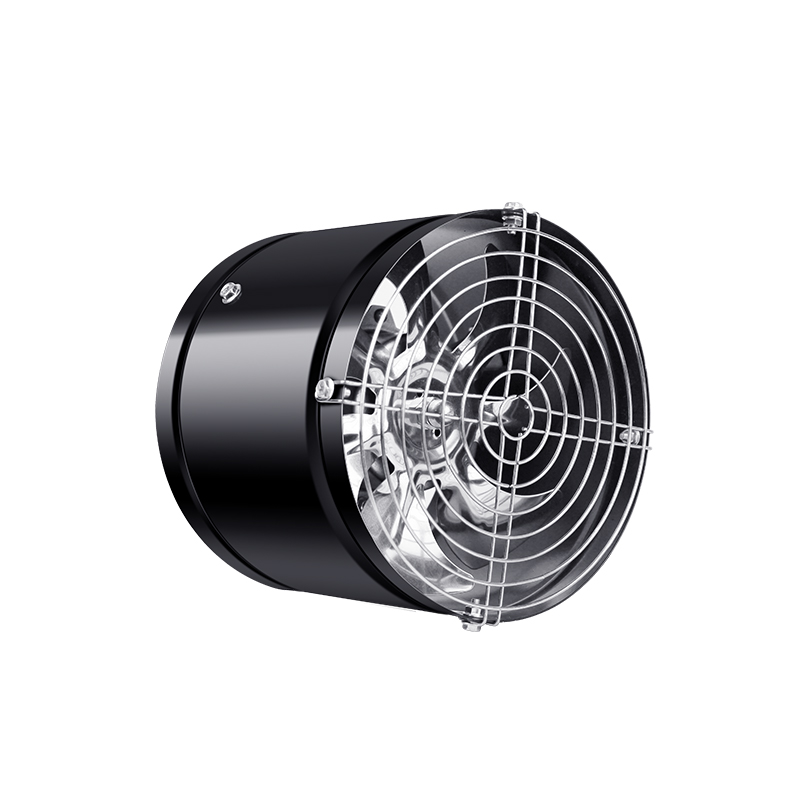
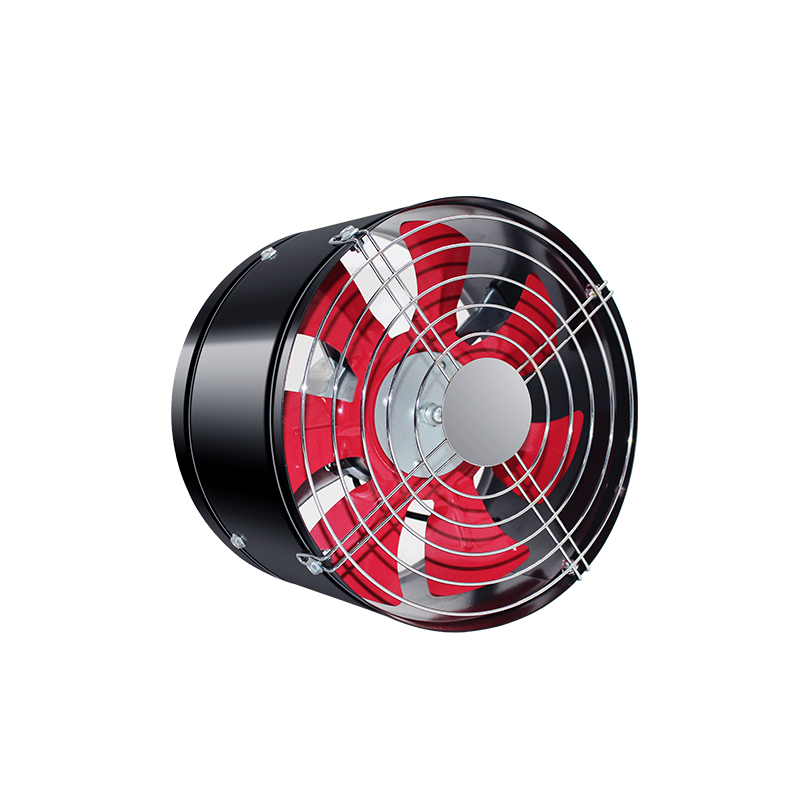
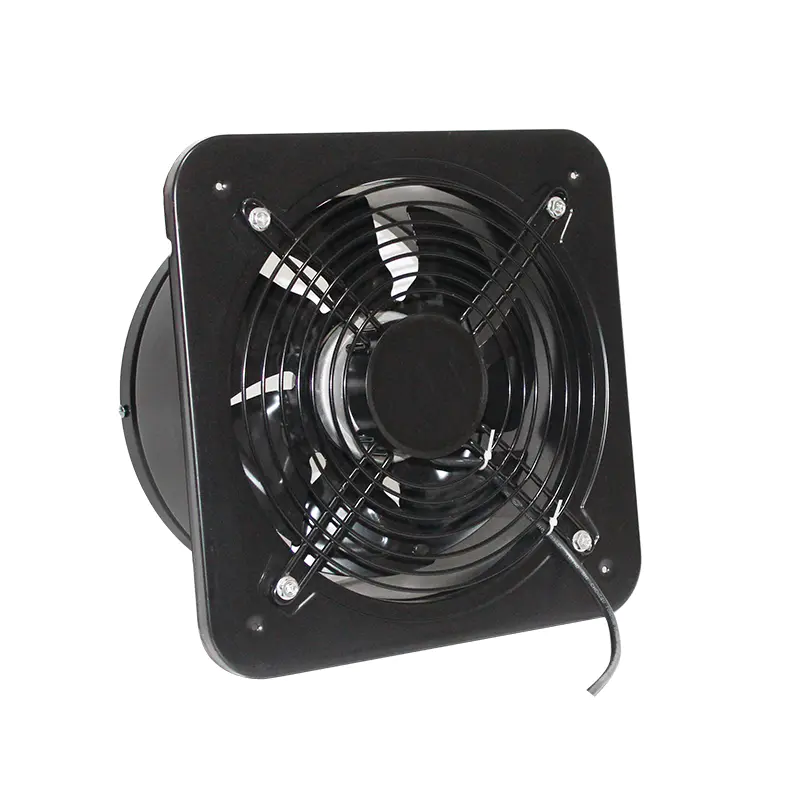
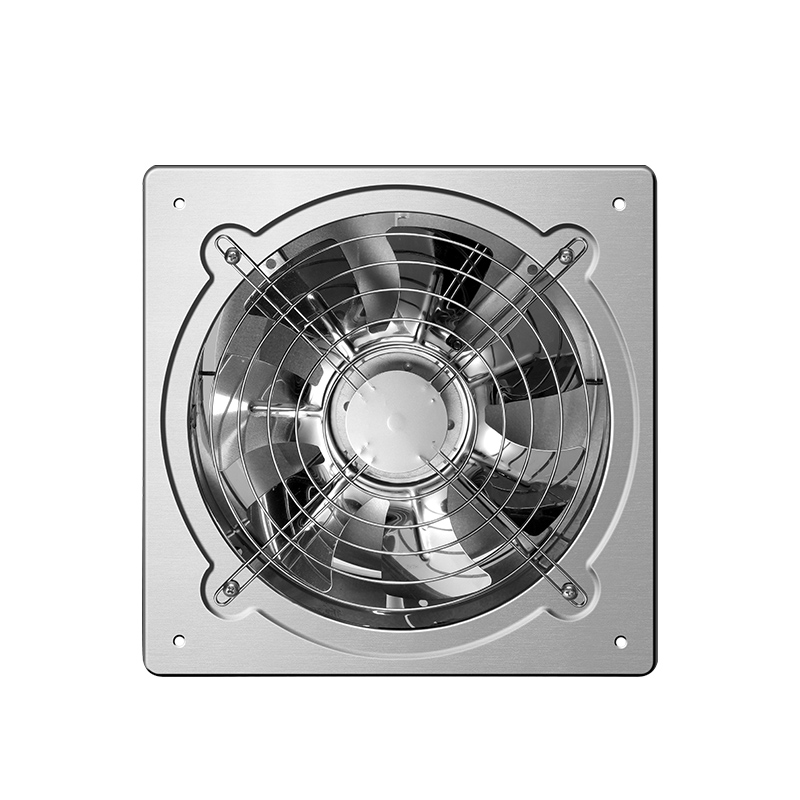
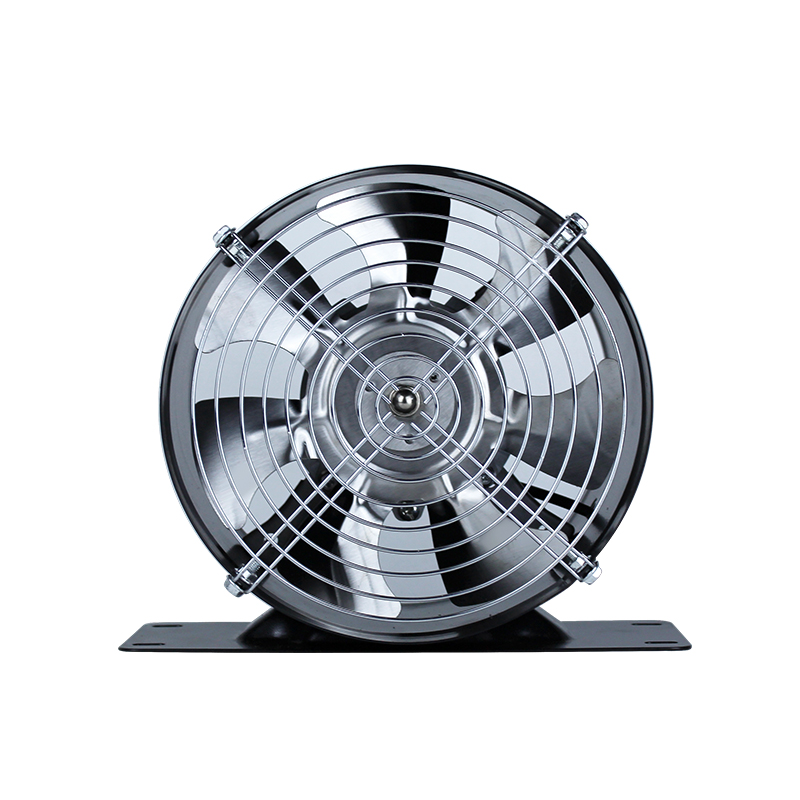
Shengzhou Qiantai Electric Appliance Co., Ltd., situated in the renowned industrial hub of Shengzhou City, Zhejiang Province, operates as a specialized manufacturer integrating the R&D, production, and sales of high-performance axial fans and ventilation systems. Certified by the China Quality Certification Center, our product range supports diverse applications from domestic kitchens to industrial warehouses. By leveraging advanced motor testing equipment and a strong technical workforce, we focus on the independent innovation of airflow solutions. In the context of modern residential ventilation, the simple kitchen exhaust fan remains a critical component for maintaining air quality through precise pressure differentials and efficient particulate extraction.
Motor Efficiency and Operational Power Consumption Metrics
The primary driver of energy savings in a ventilation system is the motor's electrical efficiency. When evaluating how much energy a simple kitchen exhaust fan uses, engineers must look at the wattage-to-CFM (Cubic Feet per Minute) ratio. Older induction motors often suffer from significant copper losses and friction, whereas modern units utilize permanent split capacitor (PSC) or brushless DC technology. This transition directly impacts the running cost of kitchen exhaust fans over a standard 10-year lifecycle. By optimizing the motor's electromagnetic circuit, the simple kitchen exhaust fan power consumption can be reduced by 30% to 50% without compromising the static pressure required to overcome duct resistance.
Aerodynamic Blade Design and Airflow Optimization
Energy efficiency is not solely dependent on the motor; the impeller's geometric profile determines the mechanical work performed per revolution. The efficiency of axial vs centrifugal kitchen fans depends on the ducting configuration. Axial designs, frequently found in a simple kitchen exhaust fan, are engineered with high-pitch blades to move large volumes of air at low static pressure. Improving the kitchen fan airflow rate (CFM) through computational fluid dynamics (CFD) reduces turbulence at the blade tips. This reduction in air friction means the motor requires less torque to maintain speed, reinforcing the long-term savings of energy-efficient kitchen fans in high-use environments like commercial kitchens or busy households.
Impact of Ducting Configuration on System Resistance
A ventilation system's efficiency is often throttled by external resistance. To understand how to improve kitchen exhaust fan efficiency, one must minimize "system effect" losses. Using smooth-walled rigid ducting instead of flexible corrugated piping significantly lowers the static pressure. A simple kitchen exhaust fan operating against high resistance will draw more current and generate excess heat, leading to premature insulation failure in the motor windings. Proper installation of simple kitchen exhaust fans involves calculating the equivalent duct length to ensure the fan operates within its optimal performance curve, thereby maximizing the energy-saving benefits of kitchen ventilation.
Comparative Analysis of Energy Consumption and Operational Costs
The following data compares the technical parameters of a standard 150mm axial exhaust fan against a high-efficiency model engineered with optimized motor windings and aerodynamic impellers. The metrics reflect continuous operation under a static pressure of 25 Pa.
| Technical Parameter | Standard Induction Fan | High-Efficiency Axial Fan |
| Input Power (Watts) | 45W | 22W |
| Airflow Volume (m3/h) | 280 | 310 |
| Specific Fan Power (W/(l/s)) | 0.58 | 0.25 |
| Noise Level (dB at 3m) | 42 | 34 |
| Expected Service Life (Hours) | 15,000 | 40,000 |
Lifecycle Cost Analysis and Sustainability Standards
Upgrading to a low-noise energy-saving kitchen fan provides a dual benefit: reduced acoustic pollution and lower utility expenditures. The durability of simple kitchen exhaust fans produced by Shengzhou Qiantai Electric Appliance Co., Ltd. is ensured through rigorous vibration testing and balance calibration of the impellers. Over a 5-year period, the cumulative reduction in kilowatt-hours (kWh) can offset the initial procurement cost of the high-efficiency unit. This technical approach aligns with global standards for "Green Building" and energy conservation, providing a reliable ROI (Return on Investment) for facility managers and homeowners alike.
Industrial Engineering FAQ
Q1: What is the ideal CFM for a standard 10-square-meter kitchen?
A1: According to ASHRAE 62.2, a kitchen should have a ventilation rate of at least 100 CFM for intermittent use or 5 ACH (Air Changes per Hour) for continuous ventilation.
Q2: Does a higher RPM always result in better extraction?
A2: Not necessarily. While higher RPM increases airflow, it also exponentially increases noise and power consumption. Aerodynamic blade efficiency is a more sustainable way to increase CFM than simply increasing motor speed.
Q3: How does backdraft prevention affect energy savings?
A3: An integrated backdraft shutter prevents conditioned air (heated or cooled) from escaping the building when the fan is off, significantly reducing the load on the HVAC system.
Q4: Can a simple kitchen exhaust fan be used for industrial heat extraction?
A4: Yes, provided the motor has a suitable IP (Ingress Protection) rating and the ambient temperature does not exceed the motor's Class B or Class F insulation limits.
Q5: What is the significance of the "Specific Fan Power" (SFP) metric?
A5: SFP measures the power required to move a specific volume of air. A lower SFP indicates a more efficient fan-motor-ducting system.
Technical References
- ISO 5801:2017 - Fans - Performance testing using standardized airways.
- GB/T 1236-2017 - Industrial fans - Performance testing using standardized airways (National Standard of China).
- ASHRAE Standard 62.2 - Ventilation and Acceptable Indoor Air Quality in Residential Buildings.