
 English
 中文简体
中文简体How to Install a Simple Kitchen Exhaust Fan Without Professional Help: A Step-by-Step DIY Guide
Content
- 1 Introduction: Why Engineering-Grade Ventilation Matters for Modern Kitchens
- 2 Pre-Installation Technical Assessment
- 3 Required Tools and Materials for Professional-Level DIY
- 4 Step-by-Step Installation Guide
- 5 Comparative Analysis: Industrial Grade Simple Kitchen Exhaust Fan vs. Residential Models
- 6 Conclusion: Ensuring Longevity and Performance
- 7 Frequently Asked Questions (FAQ)
- 7.0.1 1. What is the ideal CFM for a high CFM simple kitchen exhaust fan in a standard kitchen?
- 7.0.2 2. How can I lower the simple kitchen exhaust fan power consumption?
- 7.0.3 3. Is an industrial grade simple kitchen exhaust fan necessary for a home?
- 7.0.4 4. What contributes most to simple kitchen exhaust fan noise level reduction?
- 7.0.5 5. Can I install a wall mounted simple kitchen exhaust fan without an external vent?
Effective kitchen ventilation is not merely a matter of comfort but a critical requirement for maintaining structural integrity and indoor air quality (IAQ). For engineers and property managers, selecting and installing a simple kitchen exhaust fan involves understanding fluid dynamics and mechanical integration. As a leading manufacturer based in Shengzhou City, Zhejiang Province—the renowned "town of the motor"—Shengzhou Qiantai Electric Appliance Co., Ltd. specializes in high-performance ventilation solutions designed for durability and efficiency.
Introduction: Why Engineering-Grade Ventilation Matters for Modern Kitchens
Modern culinary environments generate significant thermal loads, volatile organic compounds (VOCs), and particulate matter. Integrating a wall mounted simple kitchen exhaust fan ensures these pollutants are expelled at the source. According to recent technical updates from the American Society of Heating, Refrigerating and Air-Conditioning Engineers (ASHRAE), proper localized exhaust ventilation is essential to meet the 62.2-2023 standards for residential indoor air quality.
Source: ASHRAE Standard 62.2-2023 Ventilation and Acceptable Indoor Air Quality
Understanding the Technical Specifications of a Wall mounted simple kitchen exhaust fan
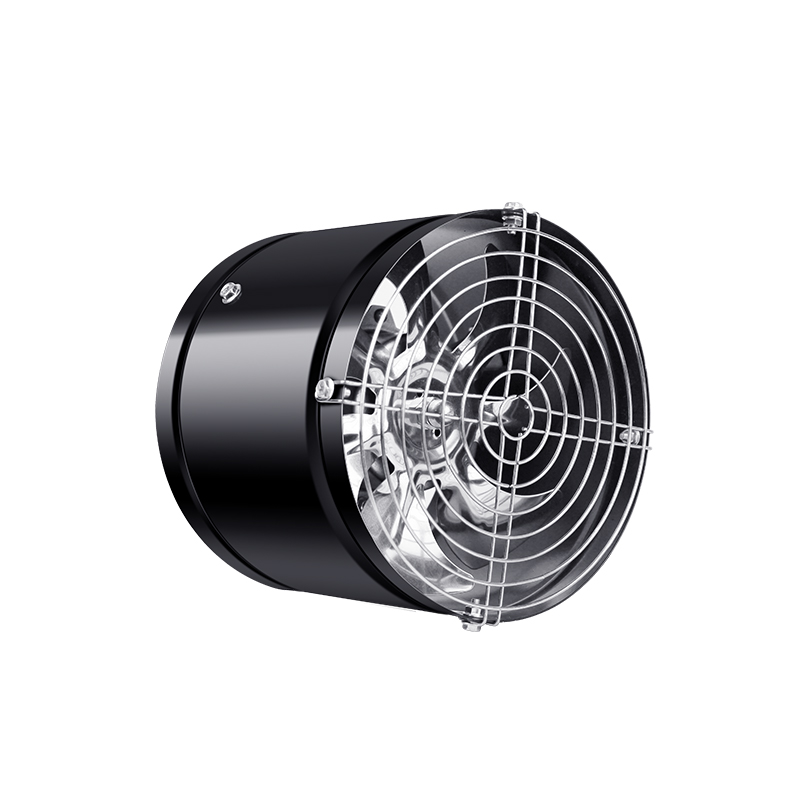
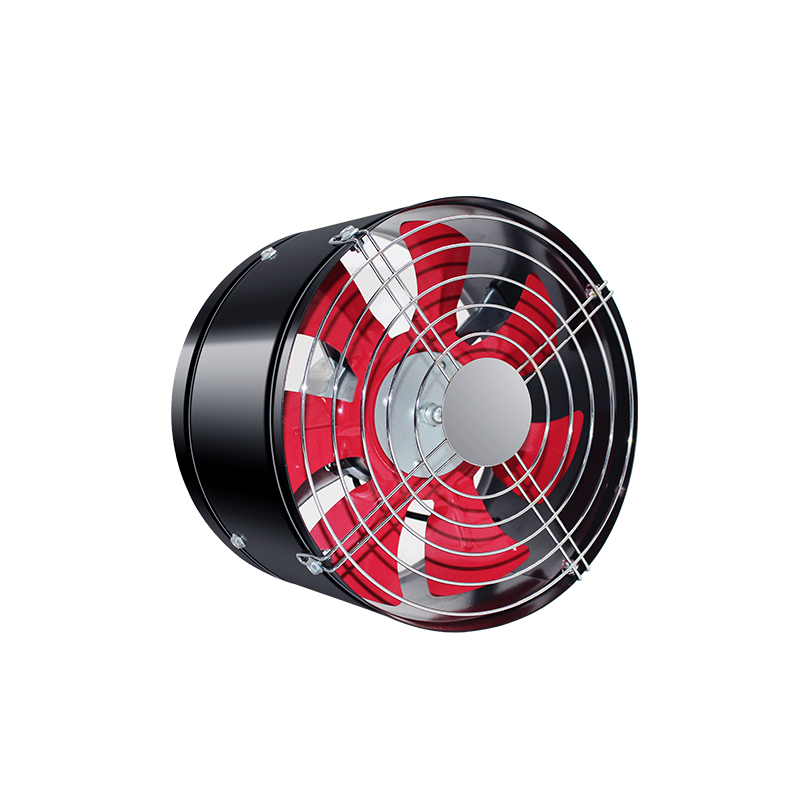
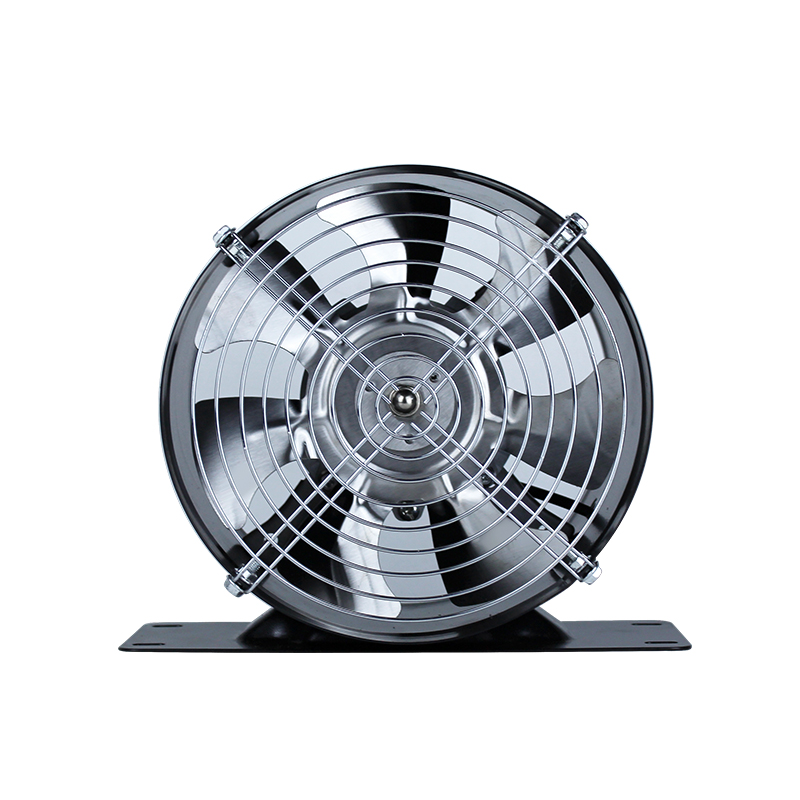
When selecting a unit, professionals must evaluate the motor topology and housing material. A wall mounted simple kitchen exhaust fan typically utilizes an axial flow design or a centrifugal blower, depending on the static pressure resistance of the ducting system.
Pre-Installation Technical Assessment
Before beginning the installation, it is crucial to perform a site assessment to ensure the system meets the volumetric flow rates required for the specific kitchen volume.
Calculating Airflow Requirements: The Importance of a High CFM Simple Kitchen Exhaust Fan
The performance of a ventilation system is measured in Cubic Feet per Minute (CFM). A high CFM simple kitchen exhaust fan is required for high-BTU cooking appliances to ensure a minimum of 15 air changes per hour (ACH). Failure to match the CFM to the kitchen size results in stagnant air and grease accumulation.
| Feature | Standard Residential Unit | High CFM Unit |
| Airflow Capacity | 50 - 150 CFM | 250 - 600+ CFM |
| Application | Standard light cooking | Heavy frying, high-heat kitchens |
Energy Efficiency and Simple Kitchen Exhaust Fan Power Consumption
Operational costs are a primary concern for B2B buyers and wholesalers. Monitoring simple kitchen exhaust fan power consumption allows for better lifecycle cost analysis. Modern EC (Electronically Commutated) motors offer up to 70% better efficiency compared to traditional shaded-pole motors. The International Energy Agency (IEA) highlights that improving motor efficiency in ventilation systems is a key pillar for achieving global energy goals by 2025.
Source: IEA Energy Efficiency 2024 Market Report
Required Tools and Materials for Professional-Level DIY
- Drill with masonry and wood bits
- Jigsaw or reciprocating saw
- Silicone sealant (High-temperature rated)
- Aluminum foil tape (UL 181 rated)
- Voltage tester and wire strippers
Step-by-Step Installation Guide
Step 1: Structural Preparation and Ducting
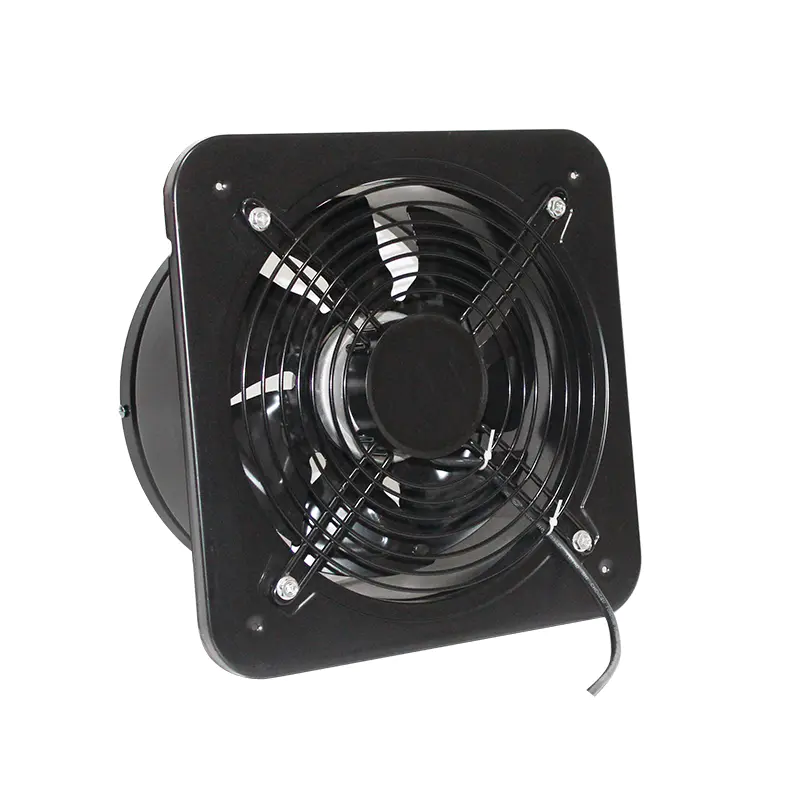
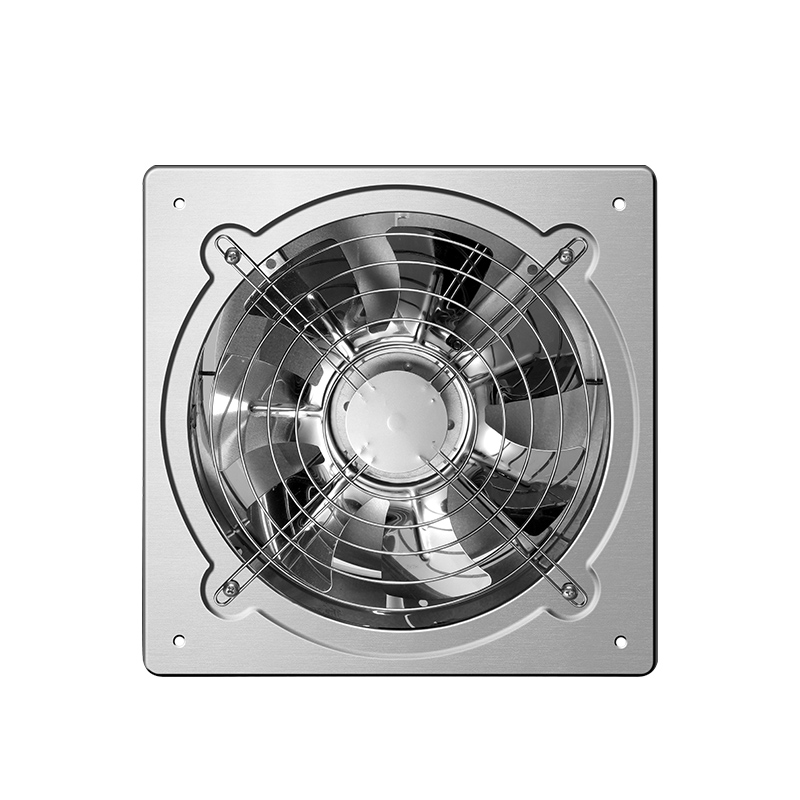
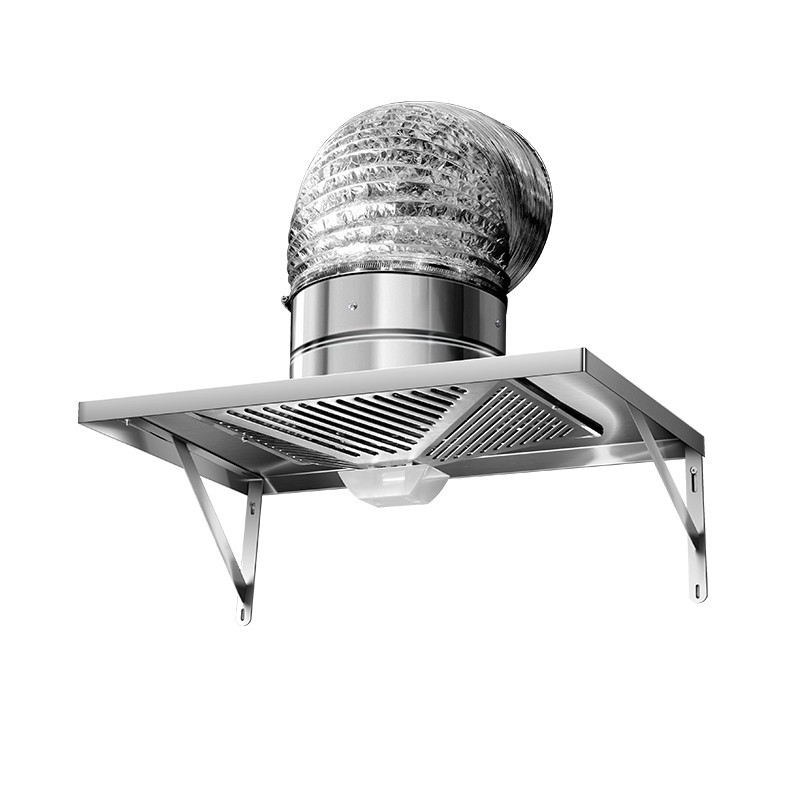
Mark the center point on the interior wall where the simple kitchen exhaust fan will be situated. Ensure there are no structural studs or electrical conduits in the path. For a wall mounted simple kitchen exhaust fan, a direct exterior vent is most efficient as it minimizes static pressure loss associated with long duct runs.
Step 2: Electrical Wiring and Safety Protocols
Ensure all electrical work complies with local building codes. Connect the motor leads to the power supply using approved wire nuts. At Shengzhou Qiantai Electric Appliance Co., Ltd., our motors are engineered for easy integration, passing rigorous China Quality Certification Center (CQC) standards to ensure safety during DIY installation.
Step 3: Optimization for Simple Kitchen Exhaust Fan Noise Level Reduction
Acoustic comfort is as vital as airflow. Achieving simple kitchen exhaust fan noise level reduction involves using vibration isolation mounts and ensuring the ducting is securely fastened. Turbulence within the ducting is a primary source of "whooshing" sounds; using smooth-walled rigid ducts instead of flexible corrugated piping significantly lowers decibel levels.
Comparative Analysis: Industrial Grade Simple Kitchen Exhaust Fan vs. Residential Models
For demanding environments like commercial kitchens or factories, an industrial grade simple kitchen exhaust fan is superior. These units feature ball-bearing motors and reinforced blades that resist warping under high temperatures.
| Criteria | Residential Grade | Industrial Grade |
| Material Construction | Thermoplastic or thin steel | Galvanized steel or Cast Aluminum |
| Motor Duty Cycle | Intermittent use | Continuous 24/7 operation |
| Bearing Type | Sleeve bearings | Dual ball bearings |
Conclusion: Ensuring Longevity and Performance
Installing a simple kitchen exhaust fan correctly is an investment in your property’s health. By selecting high-quality components from specialized manufacturers like Shengzhou Qiantai Electric Appliance Co., Ltd., you benefit from decades of expertise in motor and fan design. Whether for home kitchens, warehouses, or pipelines, our energy-saving products are built to contribute to the global advancement of the fan industry.
Frequently Asked Questions (FAQ)
1. What is the ideal CFM for a high CFM simple kitchen exhaust fan in a standard kitchen?
Generally, you should aim for 100 CFM for every 10 linear feet of range width for electric stoves, or follow the 1 CFM per 100 BTU rule for gas ranges.
2. How can I lower the simple kitchen exhaust fan power consumption?
Regular maintenance, such as cleaning grease filters and ensuring the damper opens fully, reduces the load on the motor and lowers energy use.
3. Is an industrial grade simple kitchen exhaust fan necessary for a home?
While not strictly necessary, it is recommended for users who engage in heavy indoor grilling or commercial-style cooking due to its superior durability.
4. What contributes most to simple kitchen exhaust fan noise level reduction?
The combination of a well-balanced fan blade and the use of insulated ducting are the most effective factors in reducing decibel output.
5. Can I install a wall mounted simple kitchen exhaust fan without an external vent?
A "simple" exhaust fan usually refers to a ducted system that vents outside. Ductless models exist but are less effective at removing heat and moisture.