
 English
 中文简体
中文简体Engineering Guide: Choosing an Axial Flow Extractor Fan for Harsh Industrial Environments
Content
- 1 The Critical Role of Axial Ventilation in High-Heat Zones
- 2 Material Science and Corrosion Resistance in Industrial Settings
- 3 Motor Engineering and Insulation Standards
- 4 Operational Efficiency and Installation Optimization
- 5 Conclusion: Investing in Reliability and Innovation
- 6 Frequently Asked Questions (FAQ)
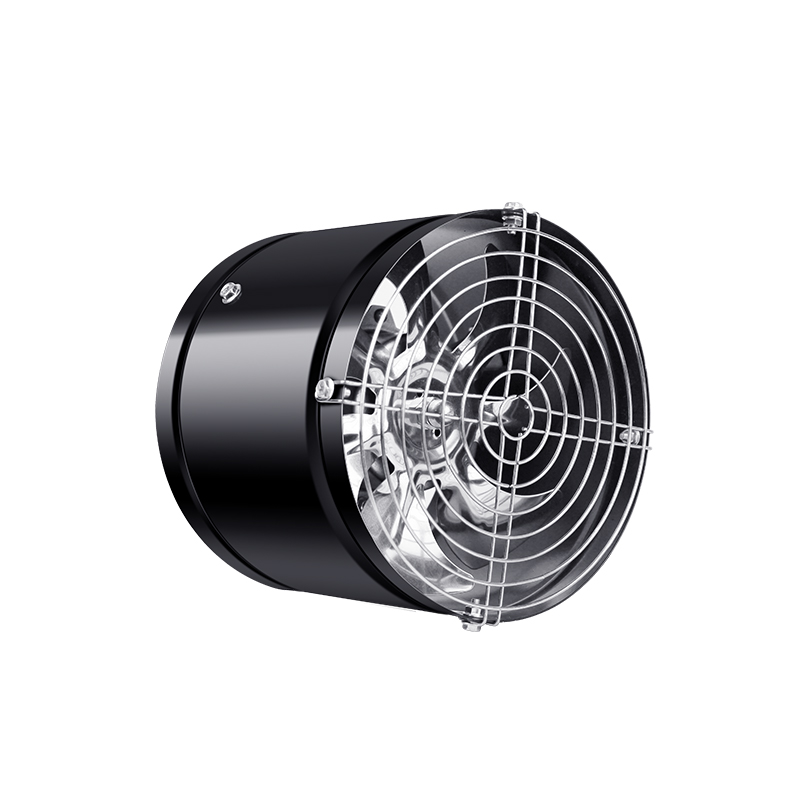
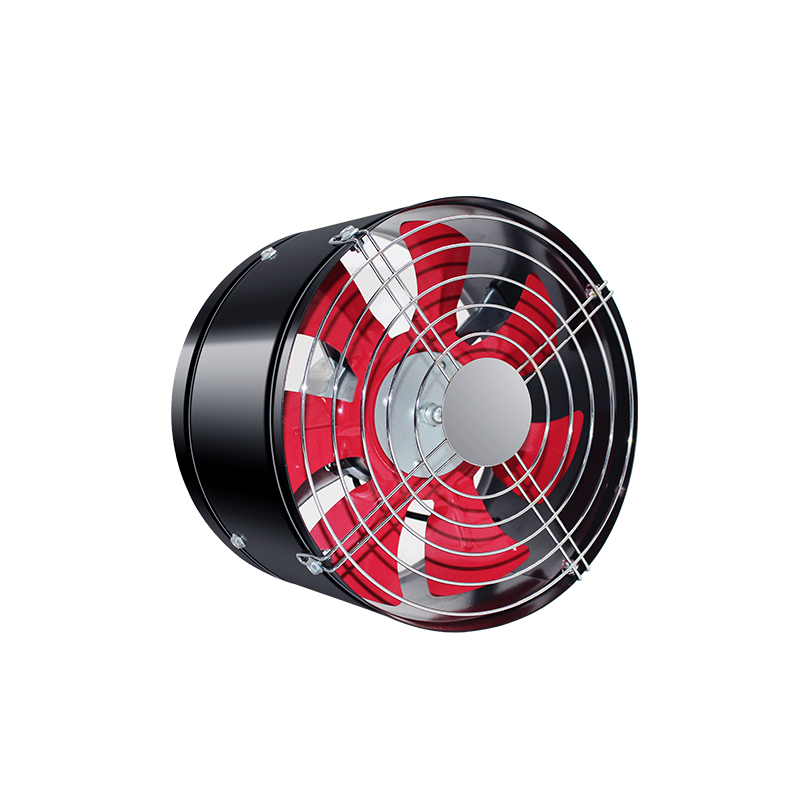
In the industrial sector, maintaining atmospheric stability in high-heat zones and hazardous environments is a complex engineering challenge. An axial flow extractor fan is often the primary line of defense against thermal buildup and airborne contaminants. Shengzhou Qiantai Electric Appliance Co., Ltd., located in the "Town of the Motor" (Shengzhou City), leverages decades of independent innovation to produce high-performance ventilation systems certified by the China Quality Certification Center. For engineers and B2B procurement specialists, understanding the technical nuances of fan design is vital for ensuring operational safety and energy conservation.

The Critical Role of Axial Ventilation in High-Heat Zones
Axial fans are designed to move large volumes of air at low pressures, making them ideal for rapid air exchange in factory settings. In high-heat zones, the density of the air decreases, which requires a fan with a specific pitch and motor torque to maintain constant volumetric flow. When reviewing high temperature resistant axial fan specifications, engineers must prioritize the air density correction factor to ensure the system meets the required cooling capacity.
Unlike standard domestic fans, industrial axial units must withstand ambient temperatures often exceeding 60°C. Recent 2024-2025 technical reports from the International Energy Agency (IEA) highlight that upgrading to high-efficiency motor-driven fans can reduce industrial cooling costs by up to 20% while maintaining higher thermal overhead.
Source: IEA Energy Efficiency 2024 Analysis and Forecasts
| Application Zone | Standard Axial Fan | High-Heat Industrial Fan |
| Operating Limit | Max 40°C | Up to 80°C - 120°C (depending on grade) |
| Blade Material | Plastic or Light Aluminum | Reinforced Steel or Cast Aluminum Alloy |
Material Science and Corrosion Resistance in Industrial Settings
Harsh environments—particularly those involving chemical processing—require specialized coatings to prevent structural failure. Selecting an industrial axial flow fan for chemical warehouses involves verifying the chemical compatibility of the fan blades and housing against specific volatiles or corrosive gases.
Housing and Blade Durability
A high-quality axial flow extractor fan utilizes powder-coated or galvanized steel housings to resist oxidation. The geometry of the blades is equally important; aerofoil-shaped blades provide better pressure characteristics and lower noise levels compared to flat blades. In 2025, ISO standards have emphasized the necessity of vibration monitoring for industrial fans to prevent catastrophic fatigue in corrosive atmospheres.
Source: ISO 13348:2025 Industrial fans - Tolerances, methods of conversion and technical data presentation
Motor Engineering and Insulation Standards
The motor is the heart of the ventilation system. In harsh environments, the axial fan motor insulation class requirements are the most critical metric for longevity. Most industrial-grade motors should adhere to Class F or Class H insulation to prevent winding failure under continuous thermal stress.
| Insulation Class | Maximum Operating Temperature | Suitability for High-Heat Zones |
| Class B | 130°C | Light Industrial / Standard Warehouse |
| Class F | 155°C | Heavy Industrial / Factory Pipelines |
| Class H | 180°C | Extreme Heat / Smelting & Forging |
Operational Efficiency and Installation Optimization
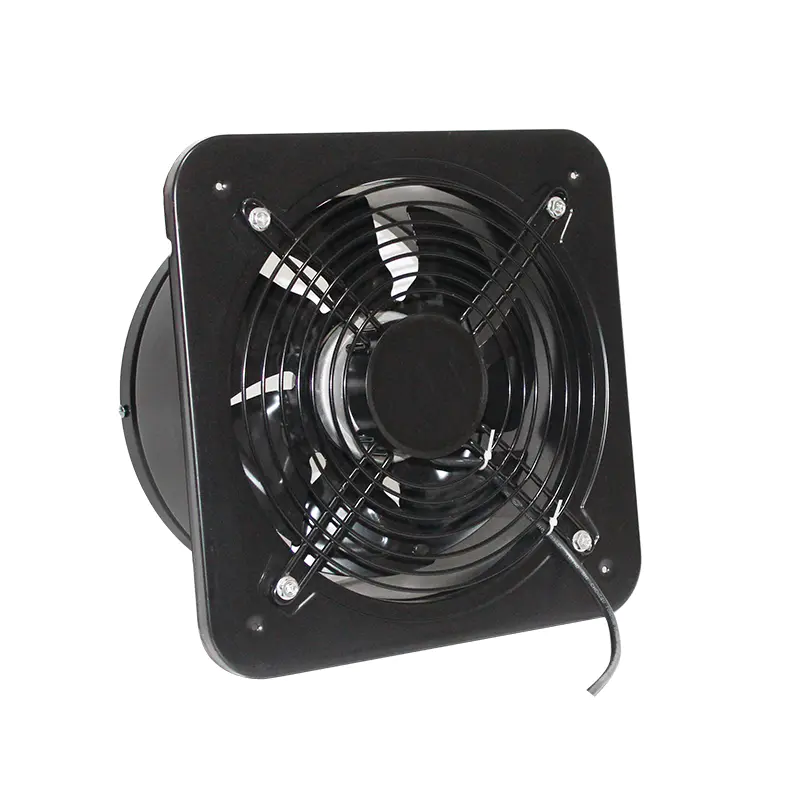
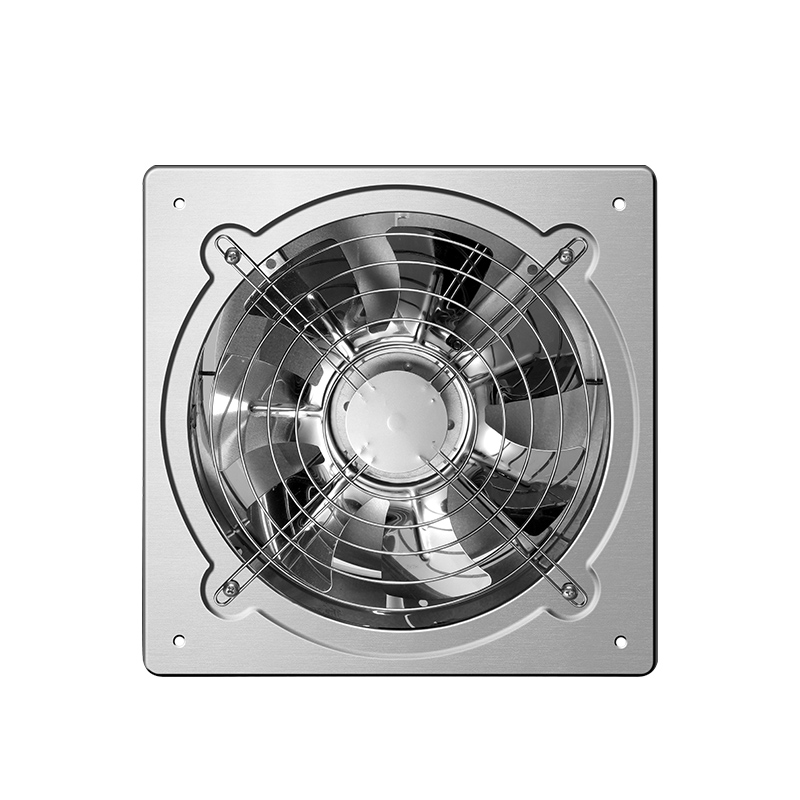
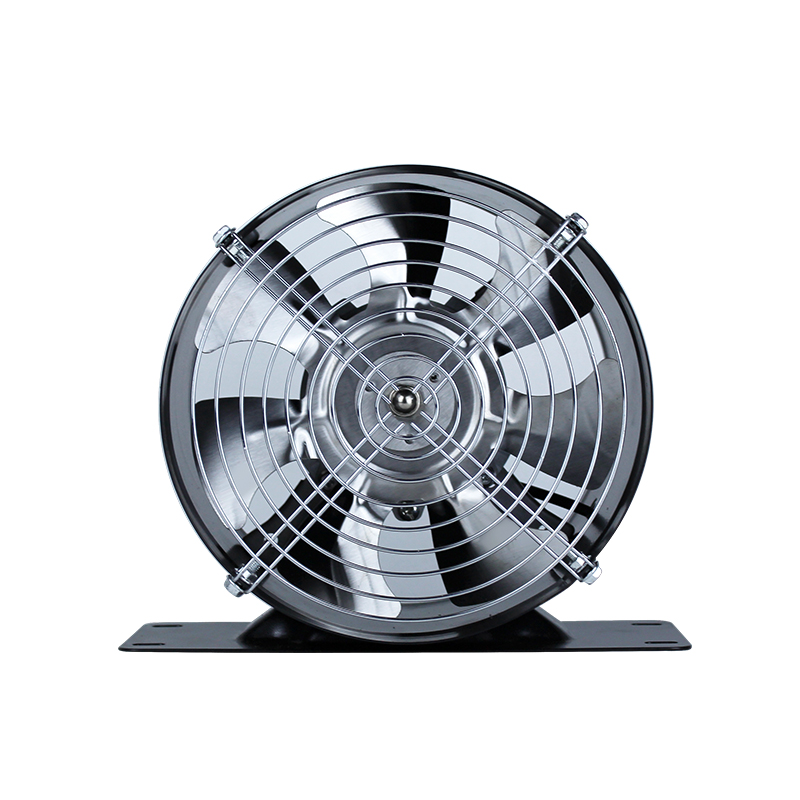
For B2B buyers, the total cost of ownership is determined by installation ease and energy consumption. A heavy duty wall mounted axial extractor fan is the preferred choice for large warehouses due to its direct-to-atmosphere exhaust capability, which minimizes ducting losses.
Strategic Energy Management
Implementation of an energy efficient axial exhaust fan for factories allows for significant ROI through reduced kilowatt-hour consumption. Shengzhou Qiantai Electric Appliance Co., Ltd. focuses on the "customer first" concept by integrating energy-saving motors with advanced production and testing equipment to ensure every unit provides maximum CFM (Cubic Feet per Minute) per watt.
- Vertical mounting is ideal for high-ceiling warehouses to eliminate heat stratification.
- Horizontal mounting in wall apertures facilitates rapid cross-ventilation in production lines.
- Variable Frequency Drives (VFD) are recommended for zones with fluctuating thermal loads.
Conclusion: Investing in Reliability and Innovation
Choosing the right axial flow extractor fan for harsh environments is a multifaceted decision involving thermal physics, material science, and electrical engineering. By adhering to the latest high temperature resistant axial fan specifications and selecting motors that meet strict axial fan motor insulation class requirements, enterprises can ensure a safe and productive workplace. Shengzhou Qiantai Electric Appliance Co., Ltd. continues to strive for excellence, providing the "motor town" with innovative, energy-efficient solutions for the global market.
Frequently Asked Questions (FAQ)
- What is the difference between Class F and Class H motor insulation?
Class H motors can withstand 25°C higher internal temperatures than Class F, making them necessary for extreme high temperature resistant axial fan specifications. - Can a wall-mounted fan handle corrosive chemical fumes?
Yes, provided it is an industrial axial flow fan for chemical warehouses with specialized anti-corrosion coatings and sealed motor bearings. - How do I calculate the required CFM for my factory?
Generally, for an energy efficient axial exhaust fan for factories, you should aim for 30 to 60 air changes per hour depending on the heat-generating equipment present. - Are axial fans suitable for long ducting systems?
An axial flow extractor fan is best for low-resistance paths. For long ducting, centrifugal fans are often better; however, high-pressure axial fans can be used if specified correctly. - Why should I choose a wall-mounted design over a portable one?
A heavy duty wall mounted axial extractor fan provides a more permanent and powerful solution for constant air exchange, whereas portables are better for localized spot cooling.