
 English
 中文简体
中文简体News
In-line Duct Fans: Selection, Performance, and Installation Guide
Content
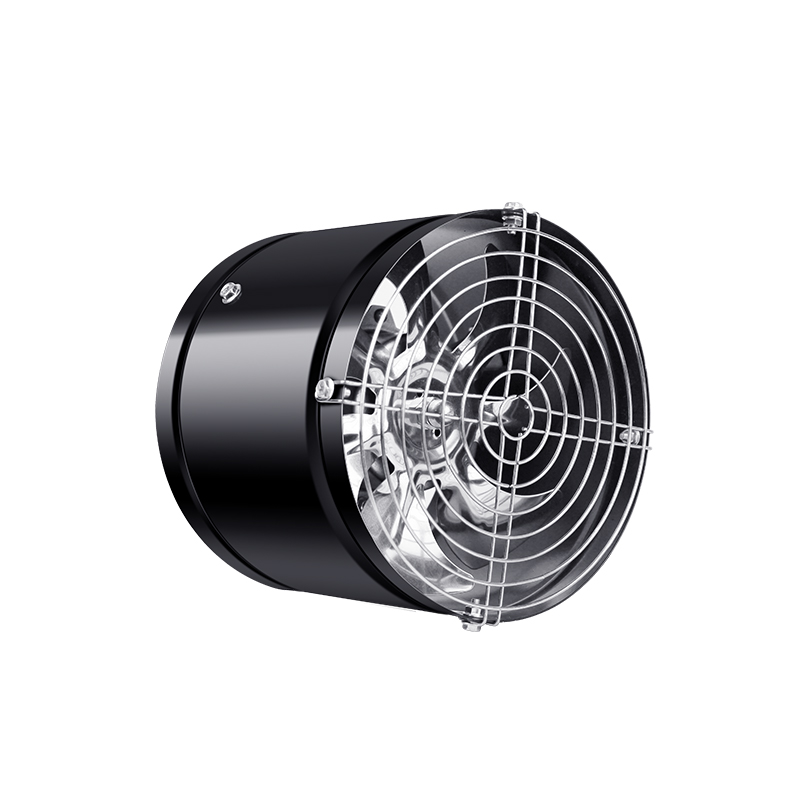
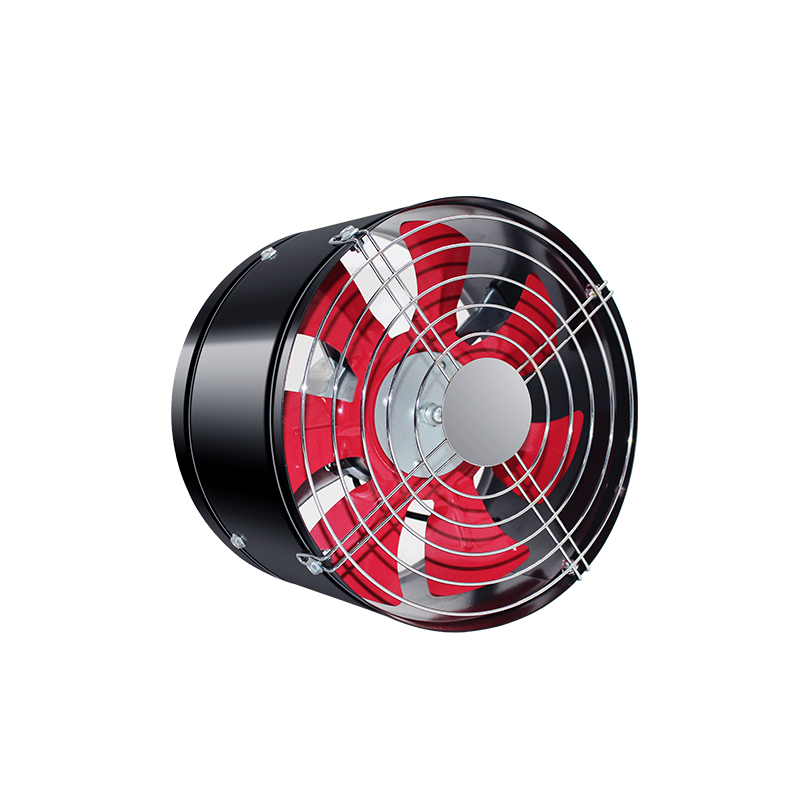
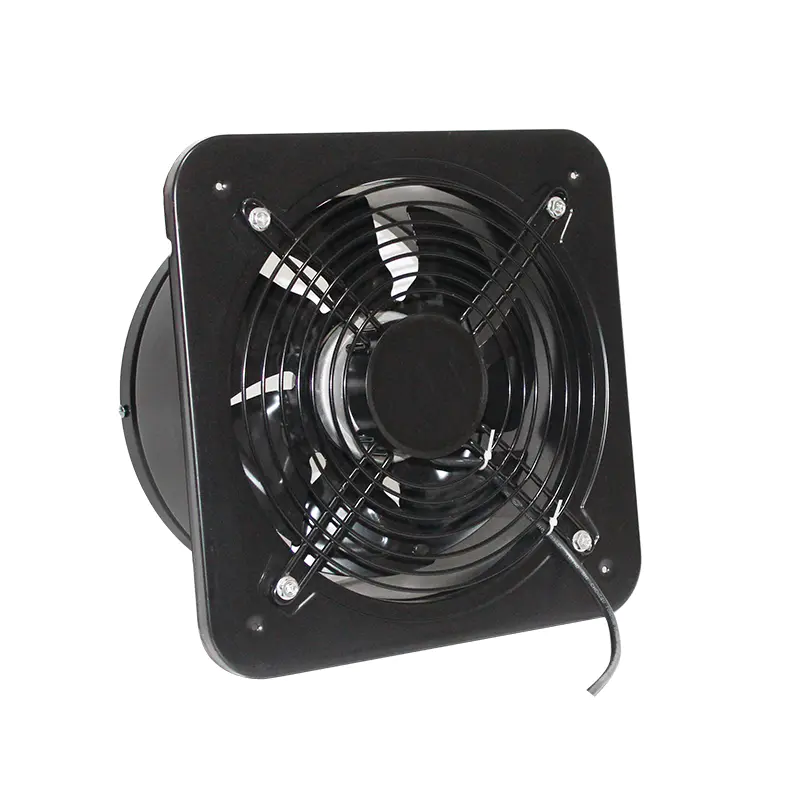
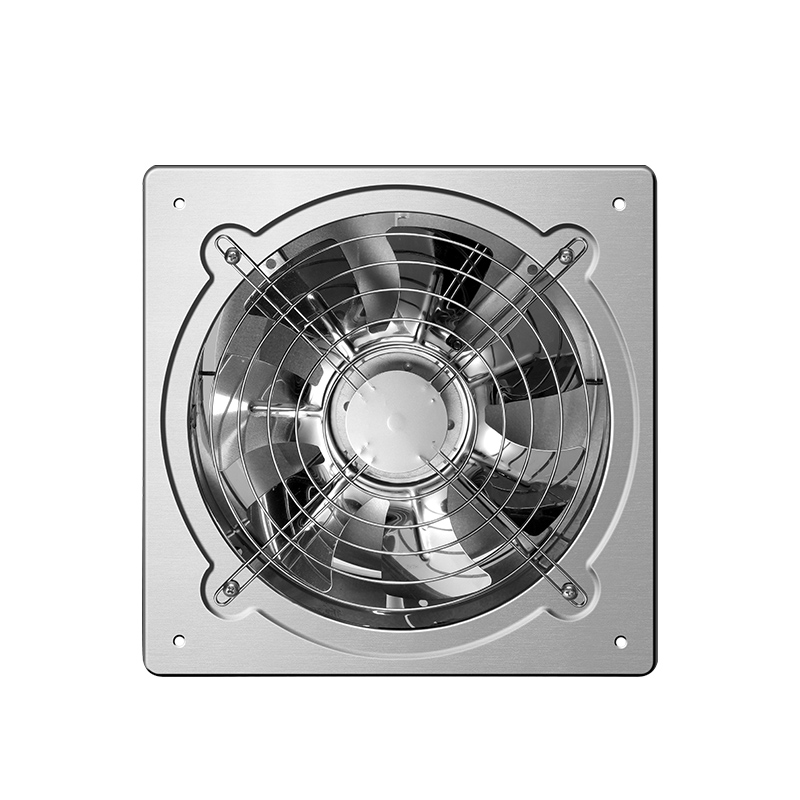
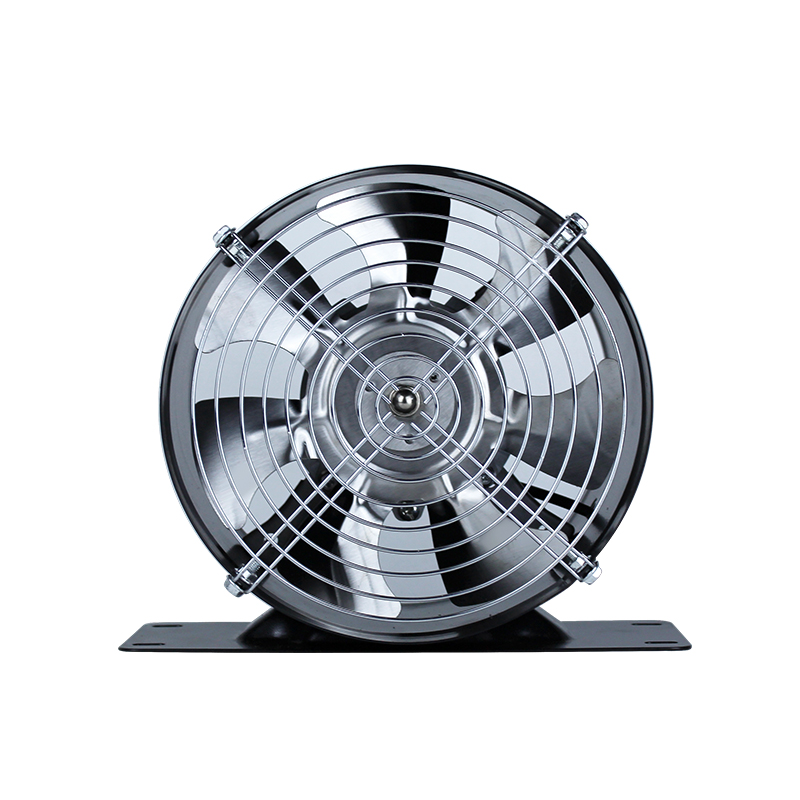
An in-line duct fan is a high-performance ventilation component installed directly within a ducting run to boost airflow, manage temperature, and remove stale air or contaminants. Unlike standard exhaust fans, these units are engineered to handle high static pressure, making them the essential choice for complex HVAC systems, professional grow rooms, and commercial ventilation where air must travel through long or winding duct paths.
Core Functionality and Airflow Dynamics
The primary purpose of an in-line duct fan is to overcome "resistance" within a ventilation system. Every bend, filter, and foot of ducting creates static pressure that slows air movement. To ensure efficient air exchange, the fan must have a Cubic Feet per Minute (CFM) rating that exceeds the total resistance of the system.
Modern in-line fans typically utilize Mixed Flow or Centrifugal designs. Mixed flow fans are prized for their balance of high CFM and low noise levels, while centrifugal fans are superior for industrial applications requiring massive pressure to move air through carbon filters or extensive ducting networks.
Choosing the Right Fan Size and Power
Selecting the correct diameter is critical for both energy efficiency and noise control. Using a fan that is too small for the ductwork leads to increased air velocity and turbulence, resulting in a high-pitched "whooshing" sound. Conversely, an oversized fan consumes unnecessary power.
In-line Duct Fan Performance Specifications by Size
| Duct Diameter | Typical CFM Range | Ideal Application | Power Consumption |
| 4-Inch | 150 – 200 CFM | Small bathrooms, grow tents (2x2) | 20W – 35W |
| 6-Inch | 350 – 450 CFM | Kitchen exhausts, medium grow rooms | 50W – 70W |
| 8-Inch | 700 – 850 CFM | Commercial workshops, large HVAC zones | 100W – 150W |
| 10-Inch+ | 1000+ CFM | Industrial warehouses, large-scale ventilation | 180W+ |
Noise Mitigation and Silent Operation
In residential or office settings, the decibel (dB) rating of an in-line duct fan is often as important as its power. High-end models now feature EC (Electronically Commutated) motors. Unlike traditional AC motors, EC motors are significantly quieter, produce less heat, and allow for precise speed control without the "humming" associated with voltage controllers.
To further reduce noise, practitioners often implement the following hardware:
- Insulated Flexible Ducting: A layer of fiberglass or polyester insulation around the duct absorbs sound waves before they exit the vent.
- Duct Silencers: These are specialized canisters lined with sound-dampening foam installed immediately after the fan to "kill" the vibration.
- Vibration Dampeners: Using rubberized hanging straps instead of rigid metal brackets prevents the fan’s motor vibrations from resonating through the building's structure.
Critical Installation Best Practices
Where you place the in-line duct fan determines its lifespan and effectiveness. For the best performance, the fan should be placed as close to the "exhaust" end of the run as possible. Pulling air through a duct is generally more efficient than pushing it, as it minimizes the risk of air leaks at the duct joints.
Key technical considerations include:
- Straight Runs: Ensure there is at least 24 inches of straight ducting before and after the fan. This reduces air turbulence entering the blades, maximizing the CFM output.
- Air-Tight Sealing: Use foil tape or specialized duct clamps. Traditional "duct tape" often fails due to the heat generated by friction and the motor.
- Backdraft Dampers: If the duct exhausts outdoors, install a backdraft damper to prevent cold air or pests from entering the system when the fan is powered off.
The Role of Smart Controllers
Integration with smart sensors has revolutionized how in-line duct fans operate. Modern controllers can automatically adjust fan speed based on real-time triggers such as Relative Humidity (RH), Temperature, or VPD (Vapor Pressure Deficit). This not only maintains a perfect environment for sensitive applications like indoor gardening but also reduces electricity costs by ensuring the fan only runs at full power when absolutely necessary.