
 English
 中文简体
中文简体News
Compliance and Optimization of axial exhaust fans industrial Installations
Content
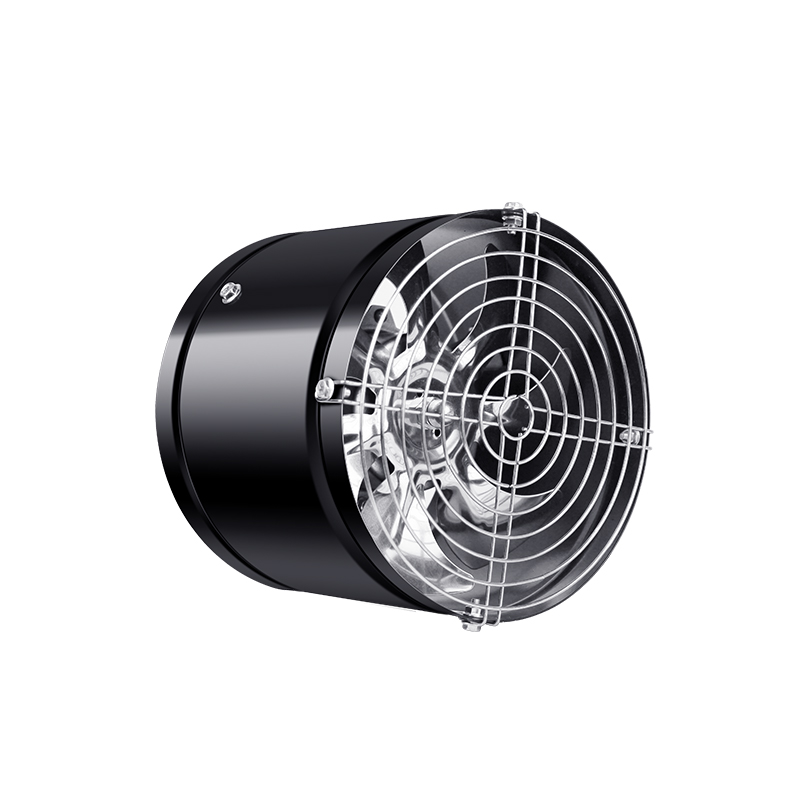
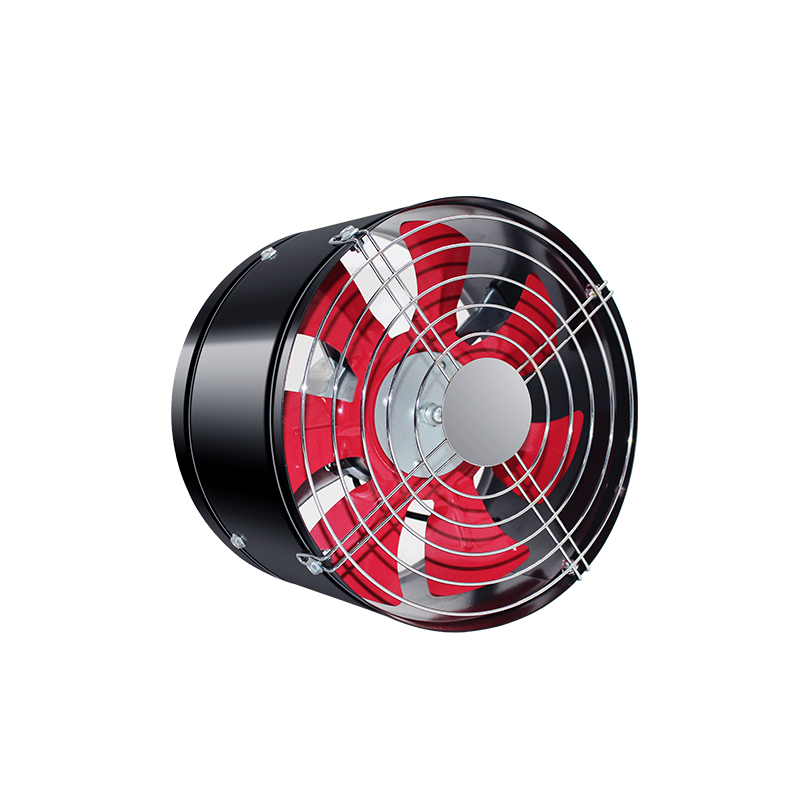
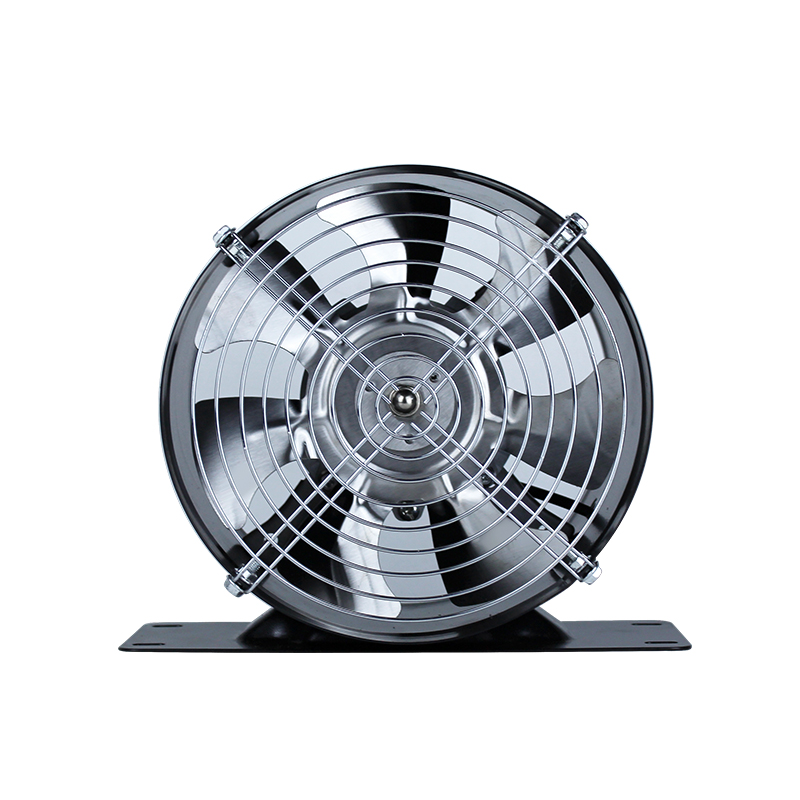
Large-scale ventilation engineering requires a balance between high volumetric flow rates and stringent operational constraints. When deploying axial exhaust fans industrial systems, engineers must prioritize aerodynamic efficiency while adhering to evolving environmental mandates. The shift toward sustainable manufacturing has pushed axial fan energy efficiency standards 2026 to the forefront, requiring units to meet higher ErP (Energy-related Products) directive levels and ISO 12759-4 efficiency grades.
Shengzhou Qiantai Electric Appliance Co., Ltd., situated in the Sanjiang Industrial Park, Shengzhou City, Zhejiang Province, specializes in the professional design and production of advanced ventilation systems. With a strong emphasis on independent innovation and a comprehensive testing center, the company manufactures industrial fans and motors certified by the China Quality Certification Center. These systems are critical for exhaust and cooling in factories, warehouses, and pipelines where reliable airflow is a safety requirement.
Acoustic Engineering: How to Reduce Industrial Axial Fan Noise
Noise pollution in industrial environments is primarily a function of blade tip speed and turbulence at the trailing edge. To address how to reduce industrial axial fan noise, engineers must focus on the acoustic power level (LwA) emitted during operation. Utilizing serrated trailing edge designs and optimizing the housing clearance can significantly diminish broad-band noise.
Blade Pitch Angle Effect on Fan Performance and Vortex Noise Control
The blade pitch angle effect on fan performance is a critical variable in both airflow delivery and sound emission. An adjustable pitch allows for fine-tuning the operating point on the fan curve. Increasing the angle enhances the volume flow but also elevates the static pressure and turbulence-induced noise. Shengzhou Qiantai Electric Appliance Co., Ltd. utilizes advanced testing equipment to calibrate these angles, ensuring that the axial exhaust fans industrial units maintain a laminar flow profile, thereby reducing low-frequency throb and mechanical vibration.
Mechanical Selection: Axial vs Centrifugal Fans for Factory Ventilation
The decision between axial vs centrifugal fans for factory ventilation depends on the industrial ventilation system static pressure analysis. Axial fans excel in high-volume, low-pressure applications, moving air parallel to the fan axis. In contrast, centrifugal fans are designed for high-pressure ductwork. For open-plan factory cooling and general exhaust, the axial design is more energy-efficient due to its lower rotational inertia and direct airflow path.
IE3 motor compatibility for axial fans and Power Consumption Reduction
Motor efficiency is the primary driver of total system performance. Integrating IE3 motor compatibility for axial fans ensures that the electrical-to-mechanical energy conversion exceeds 90 percent efficiency. Shengzhou Qiantai Electric Appliance Co., Ltd. develops its own supporting motors, ensuring that the torque-speed curve is perfectly matched to the fan's impeller characteristics. This synergy minimizes heat loss and extends the service life of the windings even in continuous 24/7 industrial operations.
| Standard Compliance | Efficiency Metric | Technical Target |
| ISO 5801 | Fan Performance | Standardized Airway Testing |
| ISO 12759 | Efficiency Grade (FEG) | FEG 67 or higher |
| GB 18613 | Motor Efficiency | Grade 3 (IE3 equivalent) |
| ISO 1940 | Balance Quality | G2.5 or G6.3 |
Precision Installation and System Integration
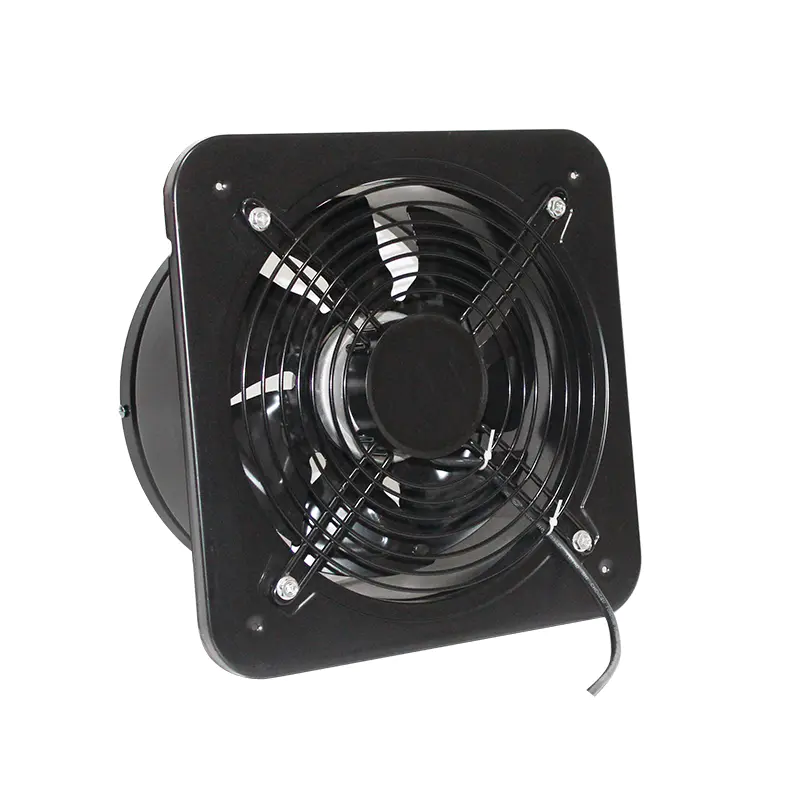
The efficiency of an exhaust system is often compromised at the installation site. Proper wall mounted axial exhaust fan installation requires a rigid mounting frame to prevent resonance with the building structure. The use of vibration isolators and aerodynamic shutters (louvers) must be factored into the airflow calculation for industrial exhaust systems, as these components add parasitic resistance to the fan.
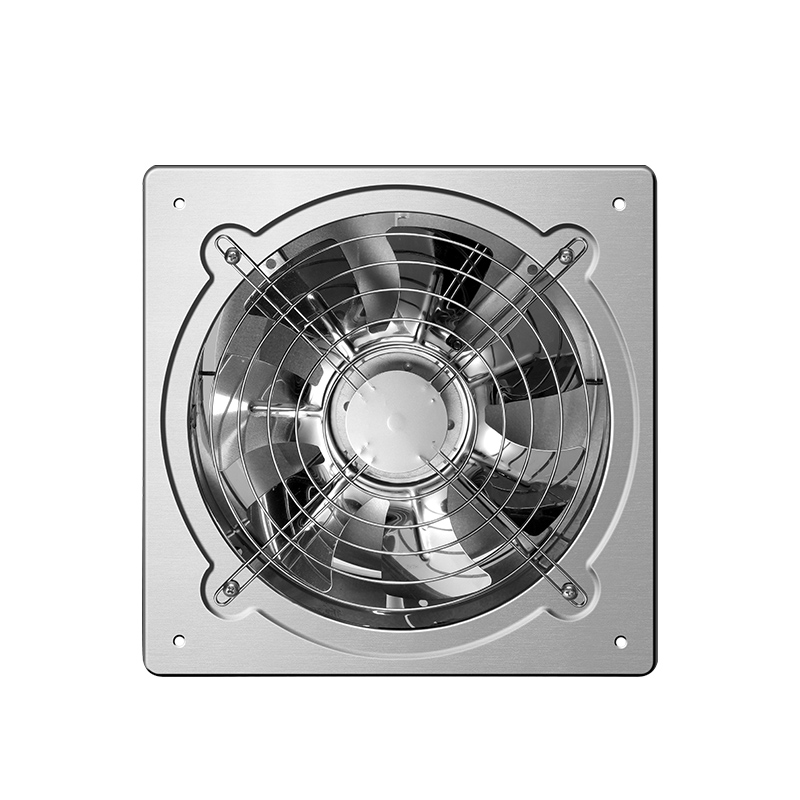
For specialized environments, such as corrosion resistant axial fans for chemical plants, the materials of construction shift to stainless steel or reinforced polymers. Shengzhou Qiantai ensures that all components, from the motor housing to the fan blades, are treated with protective coatings to withstand aggressive chemical vapors and high humidity levels.
Operational Longevity and Maintenance Standards
Minimizing downtime is essential in B2B operations. Direct drive axial fan maintenance requirements are generally lower than belt-driven models because they eliminate the need for belt tensioning and alignment. Regular inspections should focus on the tensile strength of mounting hardware and the accumulation of particulate matter on the blades, which can cause imbalance and bearing failure.
Frequently Asked Questions
What is the maximum operating temperature for these industrial fans?
Standard units are rated for -25°C to +60°C. For high-temperature applications, specific Class H insulated motors and heat-resistant alloys are required.
How do I determine the required CFM for my warehouse?
The airflow calculation for industrial exhaust systems typically follows the Air Changes per Hour (ACH) method. For general warehouses, 6 to 10 air changes per hour are usually sufficient.
Are these fans compatible with Variable Frequency Drives (VFD)?
Yes. Utilizing VFDs allows for precise control over airflow and provides significant energy savings when full capacity is not required.
How does moisture affect the motor performance?
Motors used by Shengzhou Qiantai are designed with IP54 or IP55 protection ratings, ensuring resistance to dust and water splashes in industrial environments.
What is the typical lifespan of an axial industrial fan?
With proper maintenance and a stable power supply, high-performance axial fans can operate for 10 to 15 years in standard industrial conditions.
Technical References
1. ISO 5801:2017: Fans — Performance testing using standardized airways.
2. AMCA Publication 211: Certified Ratings Program — Product Rating Manual for Fan Air Performance.
3. IEC 60034-30-1: Efficiency classes of line-operated AC motors (IE-code).