
 English
 中文简体
中文简体Precision Ventilation: Mastering Inline Duct Fan CFM Calculation and Performance Curve Selection
Content
- 1 Establishing Requirements: The Technical Basis for Inline Duct Fan CFM Calculation
- 2 Overcoming Resistance: Determining Inline Duct Fan Static Pressure Requirement
- 3 Optimal Selection: Inline Duct Fan Performance Curve Analysis
- 4 Procurement Strategy: Sizing an Inline Duct Fan for HVAC and Industrial Use
- 5 Quality and Innovation from Shengzhou Qiantai Electric Appliance Co., Ltd.
- 6 Frequently Asked Questions (FAQ)
- 6.1 1. What are the two primary factors needed for correctly Sizing an inline duct fan for HVAC?
- 6.2 2. What is the difference between CFM and Static Pressure?
- 6.3 3. How does Inline duct fan diameter vs airflow affect efficiency?
- 6.4 4. Where should the operating point fall on the Inline duct fan performance curve analysis?
- 6.5 5. What component contributes most to the Inline duct fan static pressure requirement?
For HVAC engineers and procurement managers, accurate specification of an **inline duct fan** is crucial to system efficiency and longevity. Selecting the wrong fan leads to inadequate ventilation, excessive energy consumption, and premature failure. This technical guide outlines the precise methodology for calculating required airflow (CFM) and static pressure (SP), and how to interpret the fan's performance curve to ensure optimal operation.

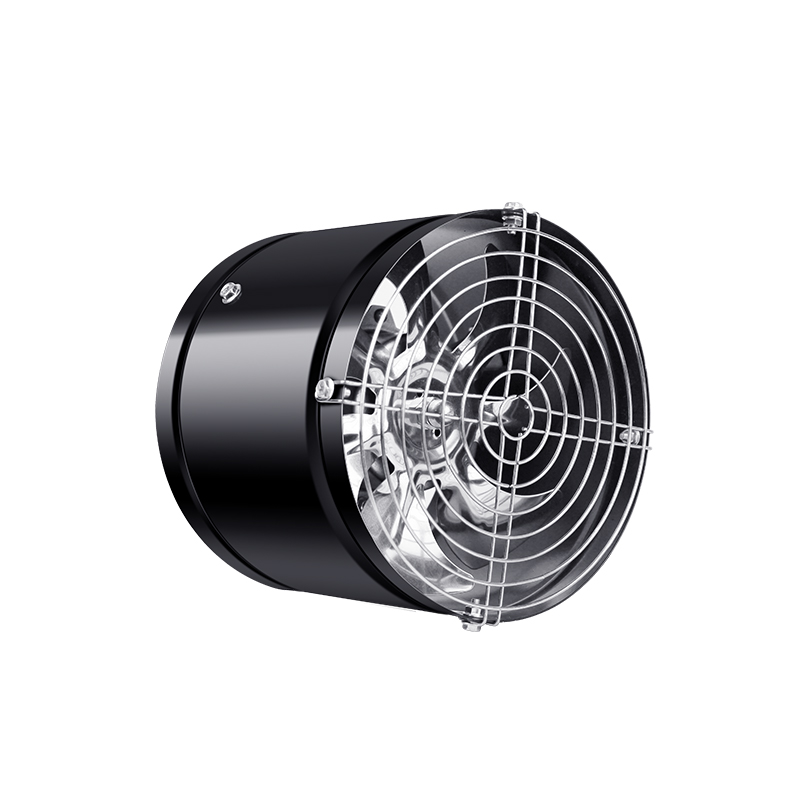
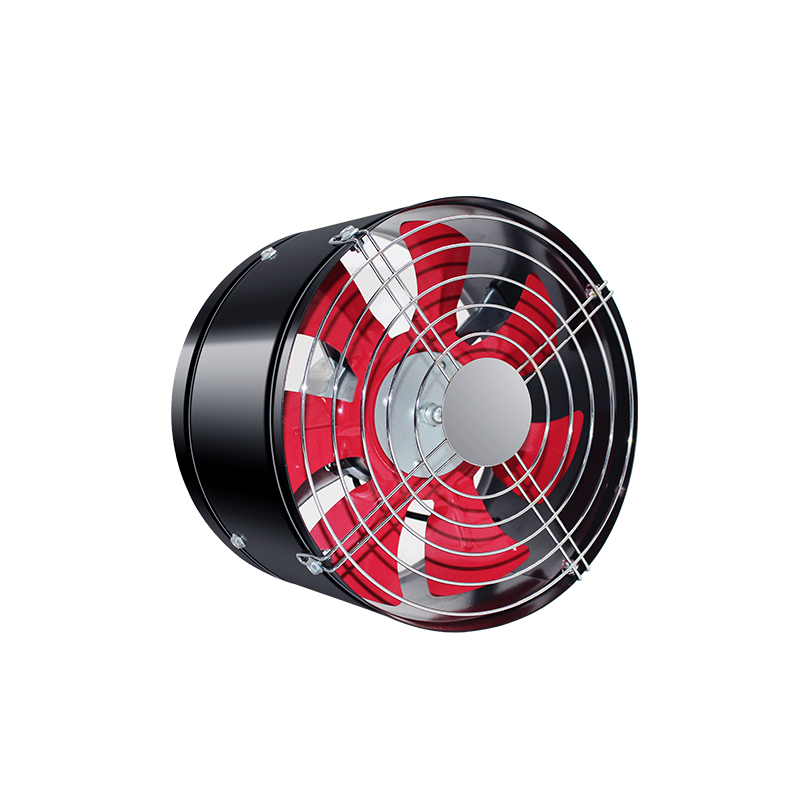
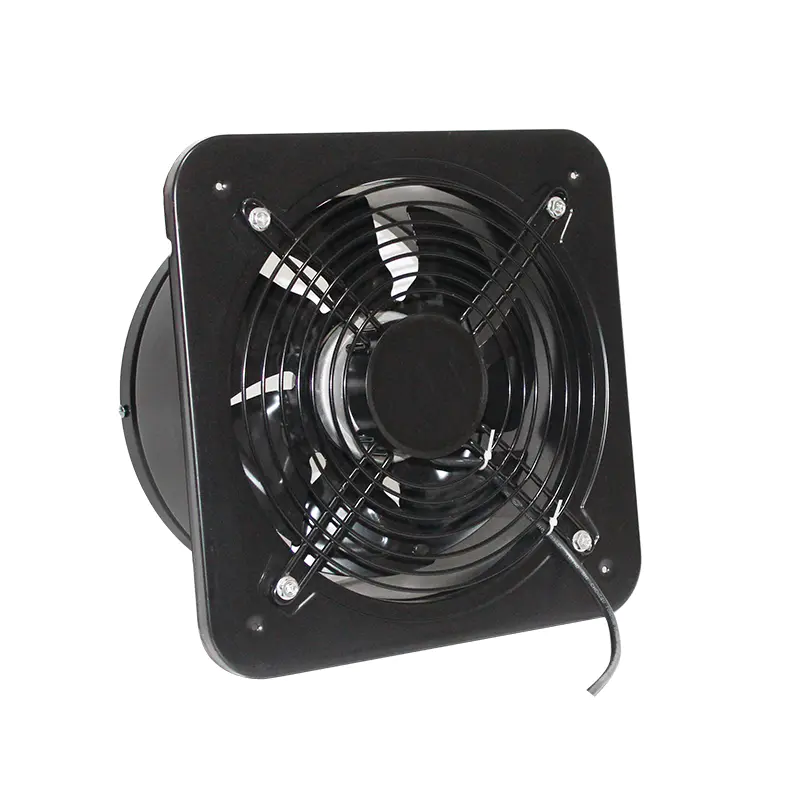
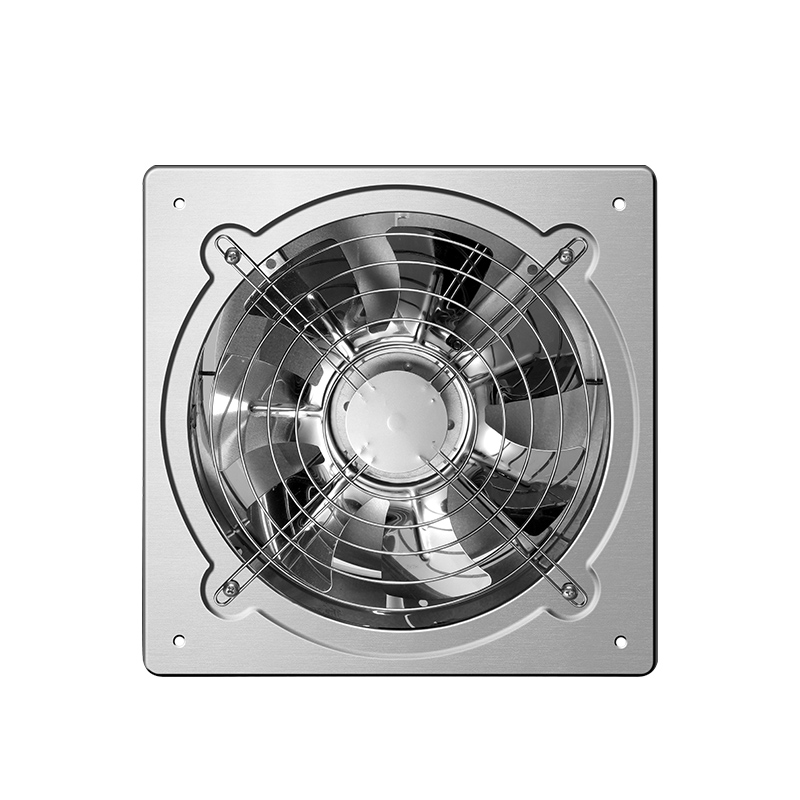
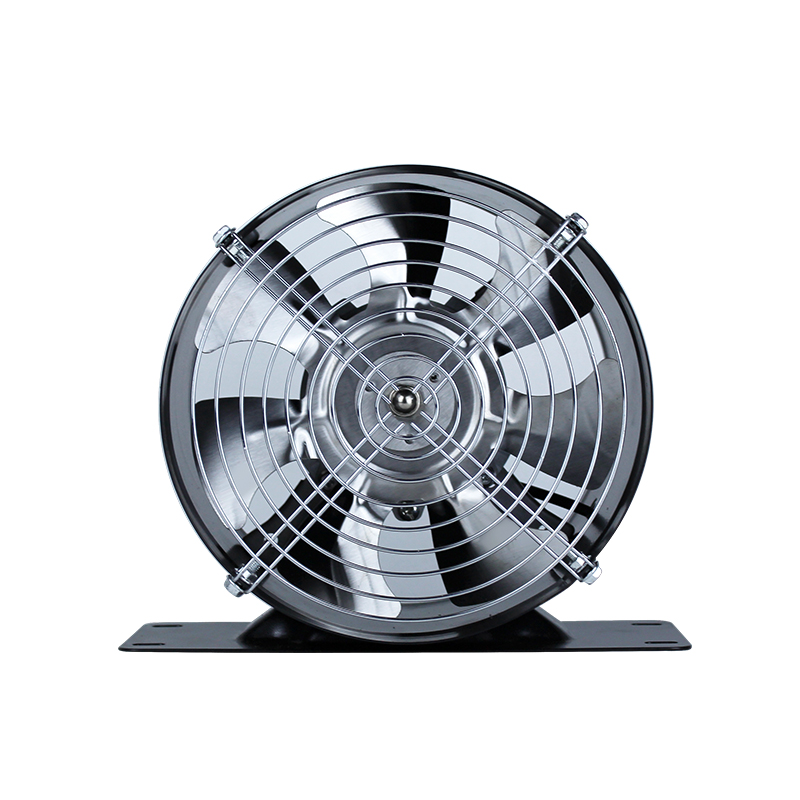
Energy-Saving Silent Duct Fan Inline Duct Fan
Establishing Requirements: The Technical Basis for Inline Duct Fan CFM Calculation
The first step in **Sizing an inline duct fan for HVAC** is determining the volume of air required to be moved, measured in Cubic Feet per Minute (CFM).
Calculating Air Volume (CFM) Based on Air Changes Per Hour (ACH)
- **Formula:** The fundamental technical requirement is based on achieving a specified number of air changes per hour (ACH). CFM = (Volume × ACH) / 60
- **Application Variance:** For instance, a residential kitchen exhaust system typically requires 15-20 ACH, whereas industrial processes or laboratory hoods may require 30-60 ACH. The precise **Inline duct fan CFM calculation** must always reference the relevant industry code or standard for the application area.
Factors Beyond Volume: Accounting for Air Density and Temperature
While the standard CFM calculation provides the required volume, the fan's performance is rated for standard air density (The value is 0.075 pounds per cubic foot). High-temperature or high-altitude environments require correction factors to the calculated CFM to maintain the necessary mass flow rate.
Overcoming Resistance: Determining Inline Duct Fan Static Pressure Requirement
Static Pressure (SP) is the resistance the fan must overcome to move air through the ductwork. If the fan cannot generate sufficient SP, the actual airflow will be far less than the rated CFM.
Analyzing System Resistance: Ductwork Length, Fittings, and Accessories
- **Friction Loss:** Longer duct runs and rougher internal surfaces (e.g., flexible ductwork) increase friction loss.
- **Dynamic Loss:** Every fitting—elbows, transitions, reducers, dampers, and diffusers—contributes to dynamic loss. These must be quantified using the equivalent length method or loss coefficients to determine the precise **Inline duct fan static pressure requirement** for the entire system.
- **Filter Pressure Drop:** Dirty filters or high-efficiency filters (HEPA, etc.) contribute significantly to the total system static pressure. This must be calculated and factored into the fan selection.
The Role of Fan Type (Axial vs. Mixed-Flow) in Static Pressure Generation
Different **inline duct fan** designs offer varied capabilities in generating static pressure. Choosing the wrong type is a common engineering error:
Static Pressure Impact Comparison Table
| Fan Type | Airflow (CFM) Capability | Static Pressure (SP) Capability | Typical Application |
|---|---|---|---|
| Axial Flow | High | Low (Prone to stalling at high SP) | Short, straight duct runs, low resistance systems. |
| Mixed-Flow (Hybrid) | Medium-High | Medium-High | Complex ductwork, moderate **Inline duct fan static pressure requirement**. |
| Centrifugal/Radial | Medium | Very High | High resistance systems, often used in large industrial setups. |
Optimal Selection: Inline Duct Fan Performance Curve Analysis
The fan's performance curve is the key technical document. It plots the relationship between the fan's generated airflow (CFM) and the system resistance (SP).
Locating the Operating Point (CFM vs. SP) on the Fan Curve
- **System Curve:** The calculated total system resistance creates a system curve (parabolic line) on the fan graph.
- **Operating Point:** The point where the system curve intersects the fan's performance curve is the actual operating point. For efficient and reliable operation, this point should ideally fall near the highest efficiency zone (BEP - Best Efficiency Point) of the curve, as demonstrated by proper **Inline duct fan performance curve analysis**.
The Impact of Inline Duct Fan Diameter vs Airflow on Efficiency
Larger diameter fans can generally move higher volumes of air at lower RPMs, which is often more energy-efficient and quieter. Inline duct fan diameter vs airflow is a direct relationship, but a sudden diameter change (using reducers) significantly increases SP loss.
Diameter vs. Performance Comparison Table
| Nominal Duct Diameter | CFM Capacity (Relative) | Energy Efficiency Potential | Noise Level (Relative) |
|---|---|---|---|
| 4-inch (100mm) | Low | Medium | Higher RPM often required, increasing noise. |
| 6-inch (150mm) | Medium | Good | Optimal balance for many residential/light commercial systems. |
| 10-inch (250mm) + | High | Excellent | Lower RPM for high volume, leading to lower noise per CFM. |
Procurement Strategy: Sizing an Inline Duct Fan for HVAC and Industrial Use
Oversizing vs. Undersizing Risks in B2B Applications
When **Sizing an inline duct fan for HVAC** and industrial applications, a slight safety margin (typically 10-15%) is often added to the required CFM to account for unforeseen pressure losses or filter loading. However, significant oversizing is inefficient (higher noise, energy cost, and potential short-cycling). Undersizing is unacceptable as it fails to meet the ventilation code requirements.
Quality and Innovation from Shengzhou Qiantai Electric Appliance Co., Ltd.
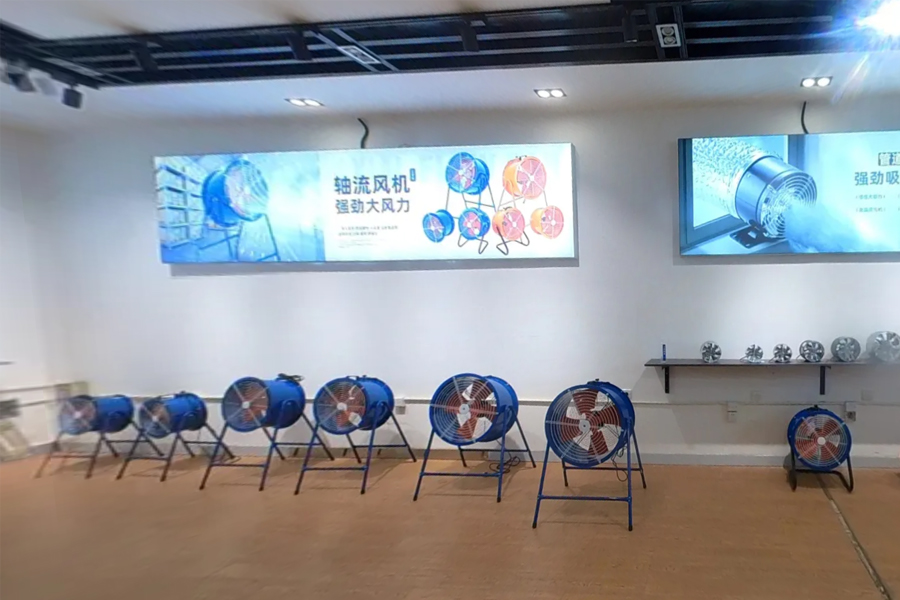
Shengzhou Qiantai Electric Appliance Co., Ltd., located in Sanjiang Industrial Park, Shengzhou City, Zhejiang Province—recognized as "the town of the motor"—is a professional enterprise specializing in the design, production, and sale of exhaust fans, ventilation fans, axial fans, industrial fans, and their supporting motors. Our commitment is rooted in strong technical force, robust independent innovation capabilities, and the use of advanced production and testing equipment, all supported by perfect management systems. Our products, which include robust **inline duct fan** solutions, have passed China Quality Certification Center certification and are widely used in critical exhaust/cooling systems across home kitchens, restaurants, factories, pipelines, and warehouses. We adhere to the core concept of "customer first, employees second, shareholders third," and continuously innovate to provide excellent, energy-saving products, contributing significantly to the development of China's fan industry.
Frequently Asked Questions (FAQ)
1. What are the two primary factors needed for correctly Sizing an inline duct fan for HVAC?
The two primary factors are the required air volume, calculated through **Inline duct fan CFM calculation** based on Air Changes Per Hour (ACH), and the total system resistance, quantified as the **Inline duct fan static pressure requirement**.
2. What is the difference between CFM and Static Pressure?
CFM (Cubic Feet per Minute) is the volume of air moved, while Static Pressure (SP) is the resistance the fan must overcome (due to friction and fittings) to move that volume of air.
3. How does Inline duct fan diameter vs airflow affect efficiency?
Generally, increasing the fan diameter allows the fan to move a higher volume of air at a lower RPM. This reduces noise and improves energy efficiency, provided the duct system matches the fan size to avoid significant SP loss.</HODGEP
4. Where should the operating point fall on the Inline duct fan performance curve analysis?
The operating point (the intersection of the system curve and the fan curve) should ideally fall near the fan's Best Efficiency Point (BEP) to ensure optimal energy usage and reliable long-term performance.
5. What component contributes most to the Inline duct fan static pressure requirement?
While long straight runs contribute friction loss, sharp elbows, reducers, and especially high-efficiency or dirty filters typically contribute the greatest dynamic and frictional pressure drops, which define the final **Inline duct fan static pressure requirement**.