
 English
 中文简体
中文简体Aerodynamic Precision: Evaluating Airflow (CFM) and Static Pressure for Explosion Proof Axial Flow Fan Selection
Industry NewsAuthor: Admin
Content
Specifying Ventilation for Hazardous Locations
The Dual Imperative: Safety and Performance in Explosion Proof Fans
- In industrial settings containing flammable gases, vapors, or dusts (classified as hazardous locations), ventilation is a safety mandate. The failure of a ventilation system to adequately move air poses a critical risk of explosion.
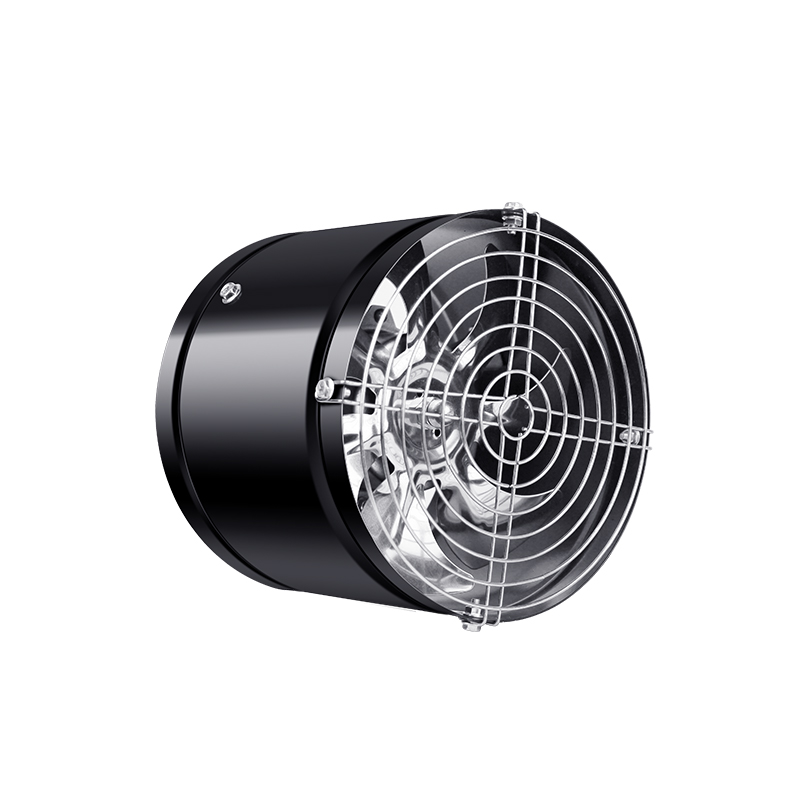
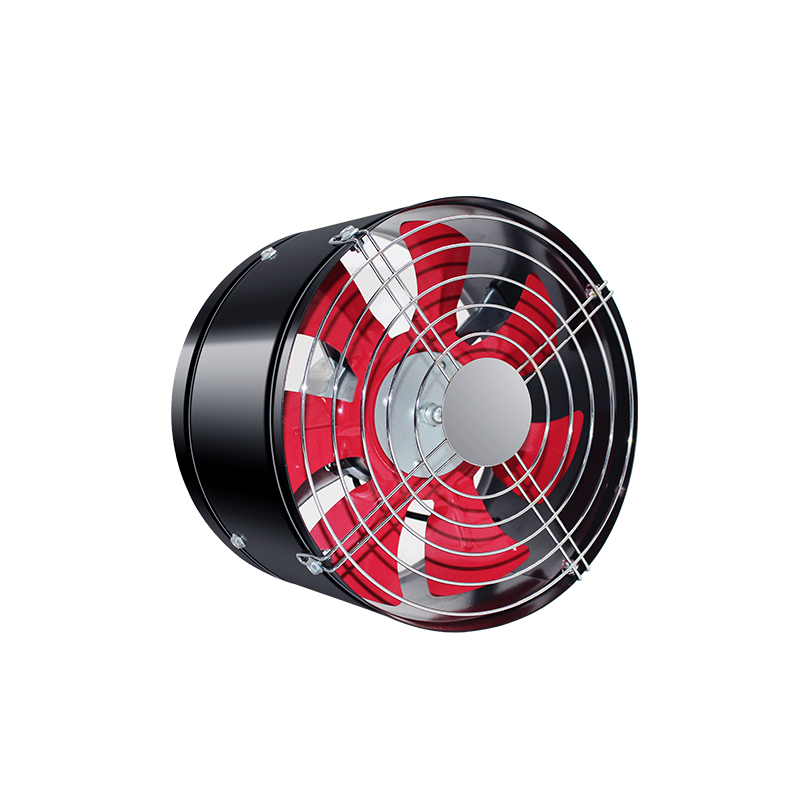
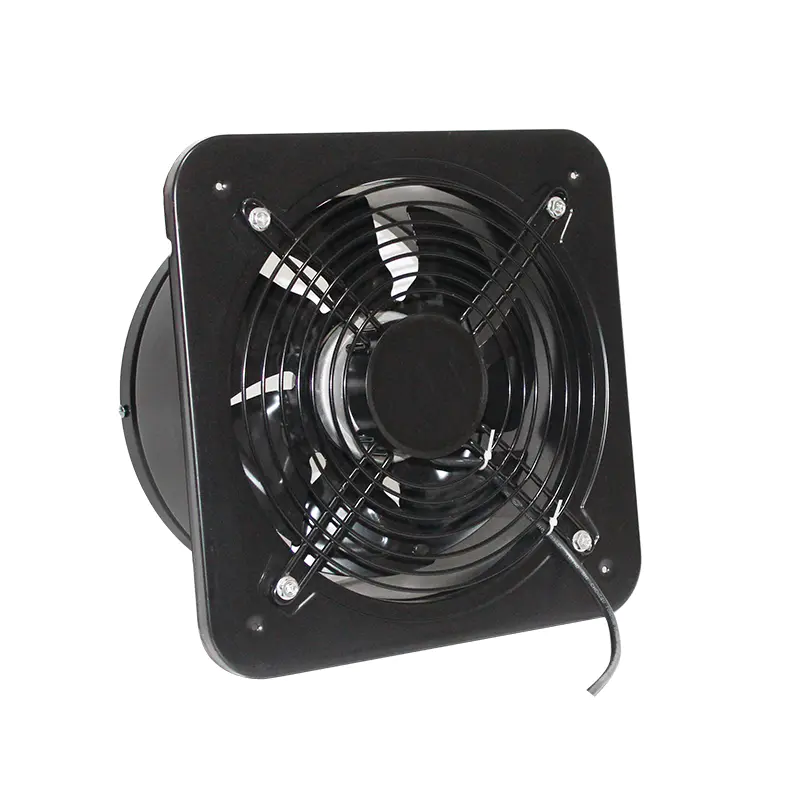
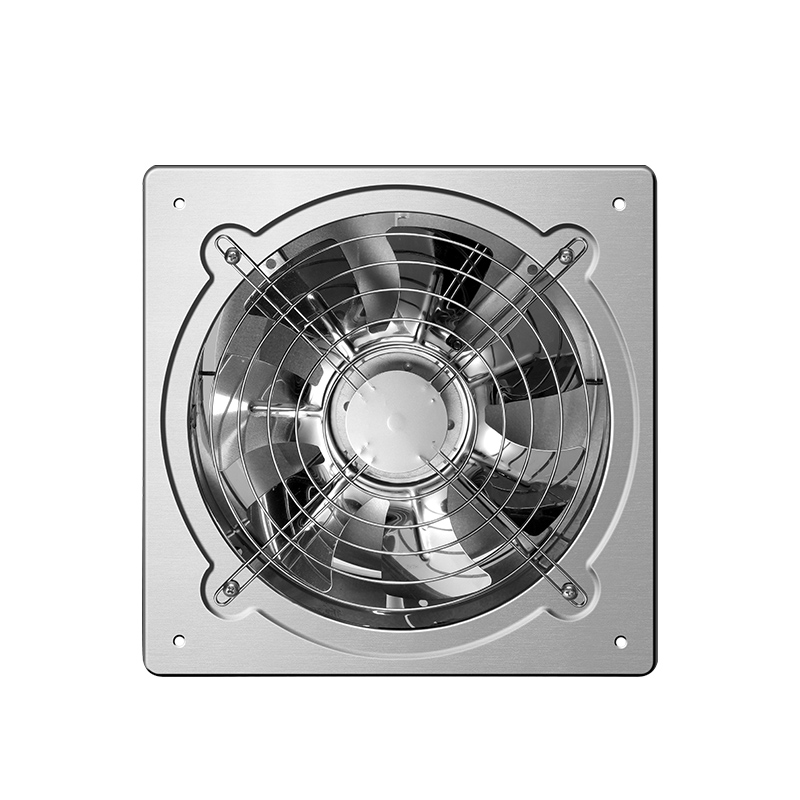
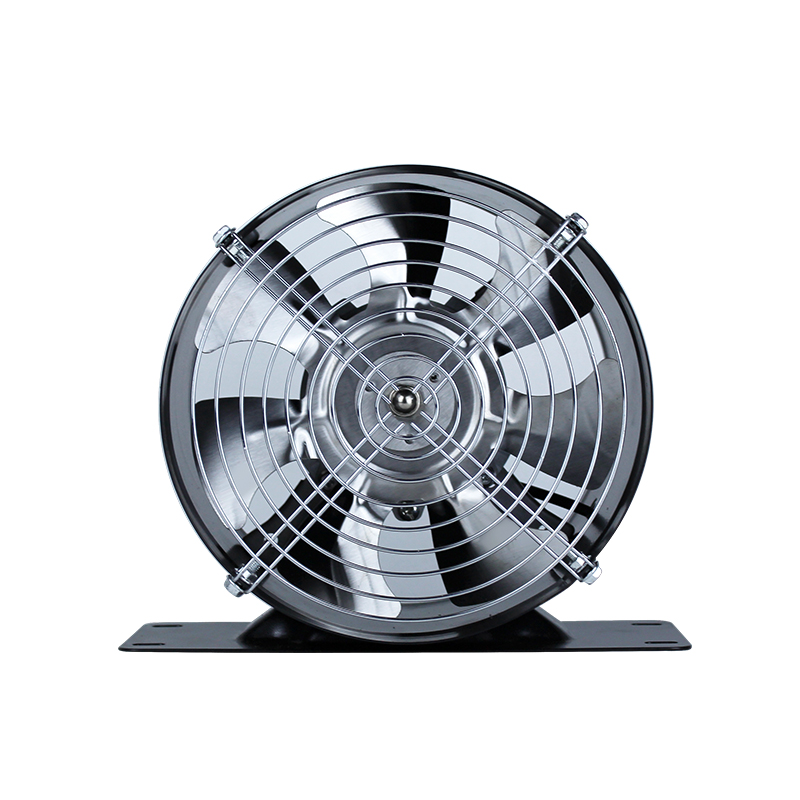
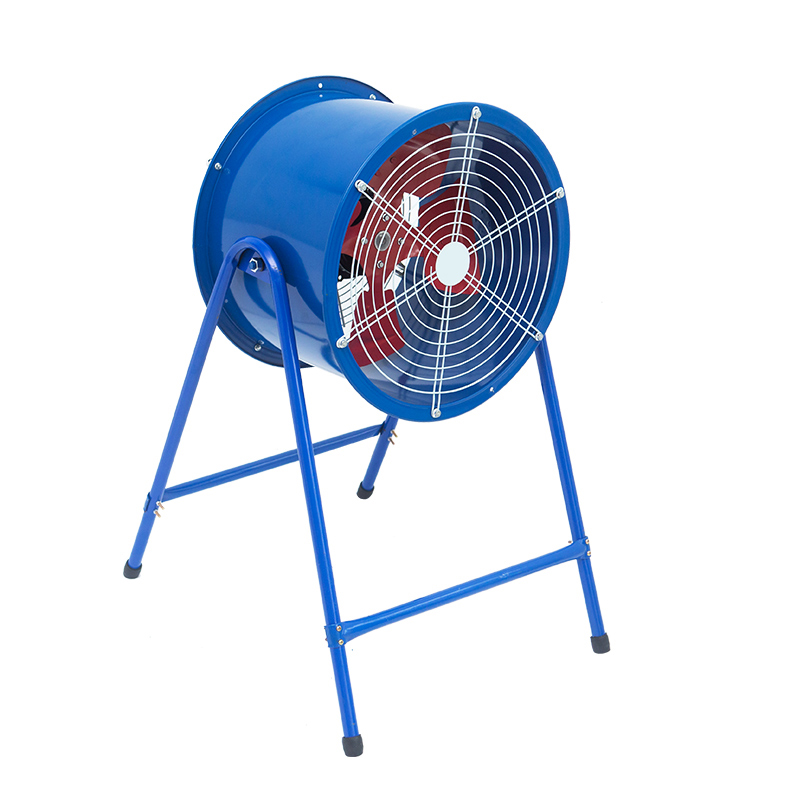
- The explosion proof axial flow fan is the engineered solution for these environments, specifically designed to handle large volumes of air (high CFM) with a straight-through airflow path. For procurement and HVAC engineers, precise evaluation of the required CFM and the system's static pressure (SP) is the foundation of a compliant and effective ventilation strategy.
Airflow (CFM) Requirements: The Volume of Ventilation
Technical Calculation: Determining Required Air Changes Per Hour (ACH)
- Airflow, measured in Cubic Feet per Minute (CFM), dictates the speed at which air is exchanged within a space. This is derived from the required Air Changes per Hour (ACH), which is often mandated by safety regulations based on the hazardous material's toxicity and potential concentration.
- The foundational Explosion proof axial fan CFM calculation method is: CFM = (Room Volume in cubic feetRequired ACH) / 60. Engineers must first determine the appropriate ACH for their specific hazard class (Division 1 or 2) before selecting the fan.
- High-quality manufacturers like Shengzhou Qiantai Electric Appliance Co., Ltd., which provides industrial fans widely used in factories and pipelines, emphasize accurate performance data derived from certified testing to ensure these CFM calculations are reliable.
Performance Metrics: Axial Flow vs. Centrifugal Fans
The selection between axial and centrifugal fans is primarily dictated by the pressure requirement of the system.
| Fan Type | Airflow (CFM) Capability | Static Pressure (SP) Capability | Primary Application Suitability |
| explosion proof axial flow fan | Very High | Low to Medium (Less than 2 inches W.C.) | General ventilation, wall exhaust, duct booster |
| Centrifugal Fan | Moderate to High | High (Greater than 2 inches W.C.) | Filtered systems, extensive ductwork, process exhaust |
[Image comparing axial fan airflow path versus centrifugal fan airflow path]
Static Pressure (SP) Assessment: Overcoming System Resistance
Measuring and Mitigating System Impedance
- Static Pressure (SP) is the resistance the fan must overcome to push air through the ventilation system. Every component—duct turns, dampers, filters, and louvers—contributes to this impedance, measured typically in inches of Water Column (W.C.).
- Accurate Static pressure measurement axial flow fan systems is performed using instruments like inclined manometers or digital pressure sensors to determine the total SP of the installed system, allowing the engineer to precisely match the fan's output capability.
- When reviewing the Axial flow vs centrifugal fan static pressure comparison, it's clear that while axial fans excel at moving high volumes, their performance drops off rapidly as SP increases. Therefore, systems with minimal ductwork are ideal for axial flow fans.
The Performance Curve: The Engineer's Selection Tool
Interpreting the Fan's Operating Characteristics
- The selection process culminates in plotting the system's static pressure curve onto the fan's performance curve. The performance curve graphically displays the relationship between CFM and Static Pressure for a given fan and speed.
- Guidance on How to read explosion proof fan performance curve involves identifying the curve's steepness, which indicates its sensitivity to changes in static pressure. The intersection of the calculated System Curve and the Fan Curve is the exact Operating Point.
Manufacturing and Quality Assurance for B2B
Compliance and Technical Expertise
- The reliability of an explosion proof axial flow fan hinges on manufacturing quality, particularly the motor and casing materials to prevent ignition sources. Shengzhou Qiantai Electric Appliance Co., Ltd., located in the "town of the motor," maintains a strong technical force and advanced production and testing equipment.
- Our products carry China Quality certification Center certification, ensuring that the published performance curves and safety ratings are accurate and meet the strict regulatory requirements for hazardous location use (Ex ratings).
Frequently Asked Questions (FAQ)
- Q: How does ambient temperature affect the fan's CFM rating? A: CFM remains constant, but the actual mass flow rate decreases as temperature increases because air density decreases. For critical cooling, engineers must adjust calculations based on air density at the operating temperature.
- Q: What specific material features make an axial fan "explosion proof"? A: Features include non-sparking materials (like aluminum alloys) for the impeller, large clearance between the impeller and housing, certified Ex-rated motors, and grounding components to prevent static discharge.
- Q: Why is knowing the static pressure so important for axial fans? A: Axial fans are designed for low resistance. If static pressure exceeds the design point, the fan will "stall," leading to excessive noise, vibration, and a drastic drop in CFM output.
- Q: What is the main structural difference in the axial vs centrifugal comparison? A: Axial fans move air parallel to the shaft using propeller blades, which is efficient for volume but not pressure. Centrifugal fans accelerate air radially and use a scroll housing to convert velocity into high static pressure.