
 English
 中文简体
中文简体Axial Flow Extractor Fan vs Centrifugal Fan: Which One Provides Better Airflow for High-Volume Ventilation?
Content
- 1 Technical Comparison: Aerodynamics and Static Pressure
- 2 Performance in Specific Industrial Environments
- 3 Why Axial Flow is Preferred for High-Volume Ventilation
- 4 Frequently Asked Questions (FAQ)
- 4.1 1. When should I prioritize an axial flow extractor fan over a centrifugal model?
- 4.2 2. Are high cfm industrial axial fans for warehouses difficult to install?
- 4.3 3. How do low noise axial fan for commercial kitchens achieve quiet operation?
- 4.4 4. What makes a fan an energy efficient axial flow exhaust fan for factories?
- 4.5 5. Is it safe to use axial fans in chemical storage?
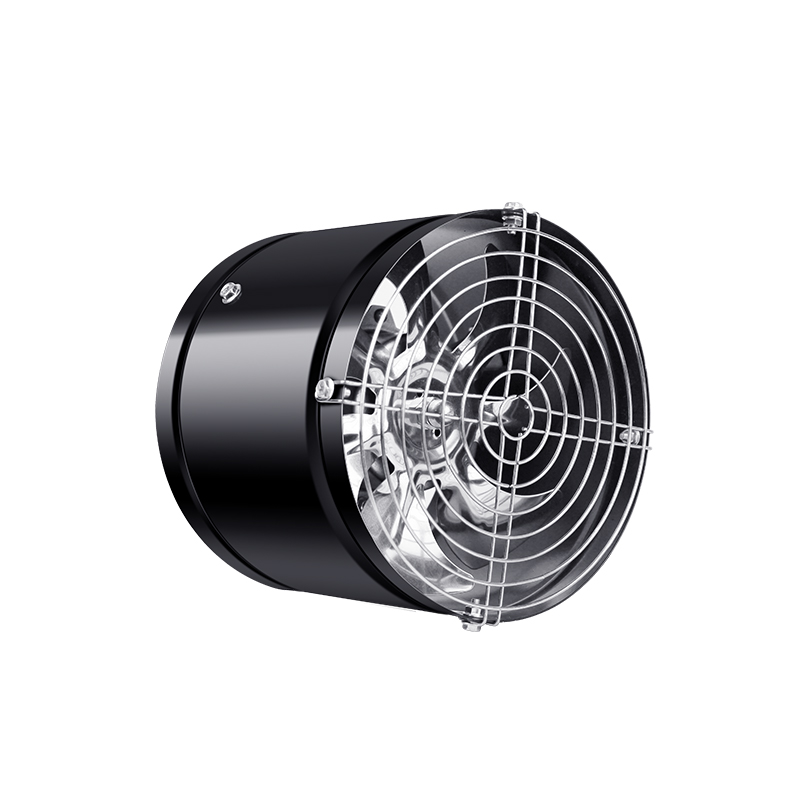
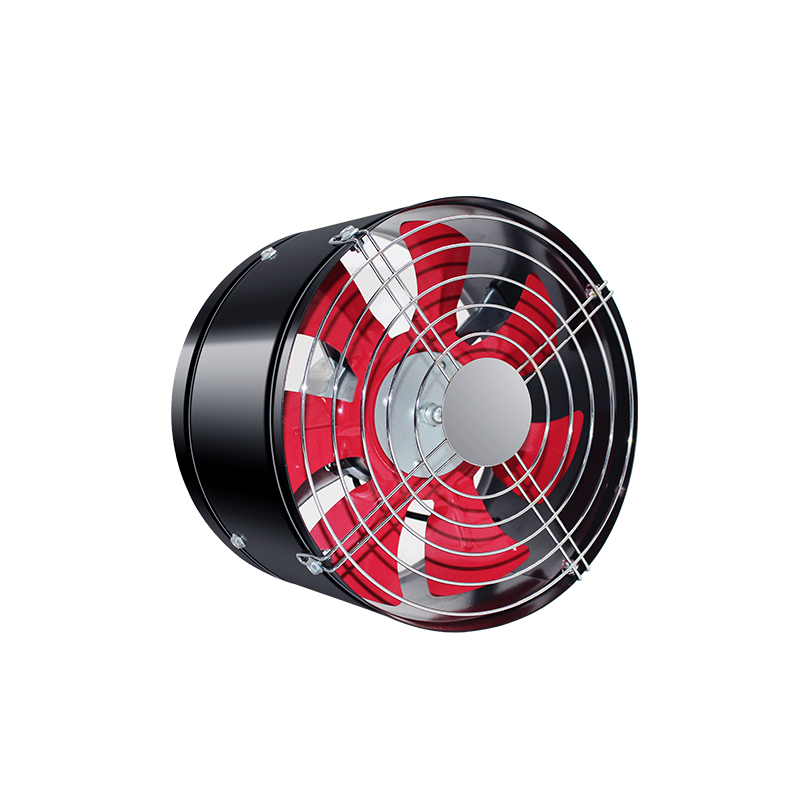
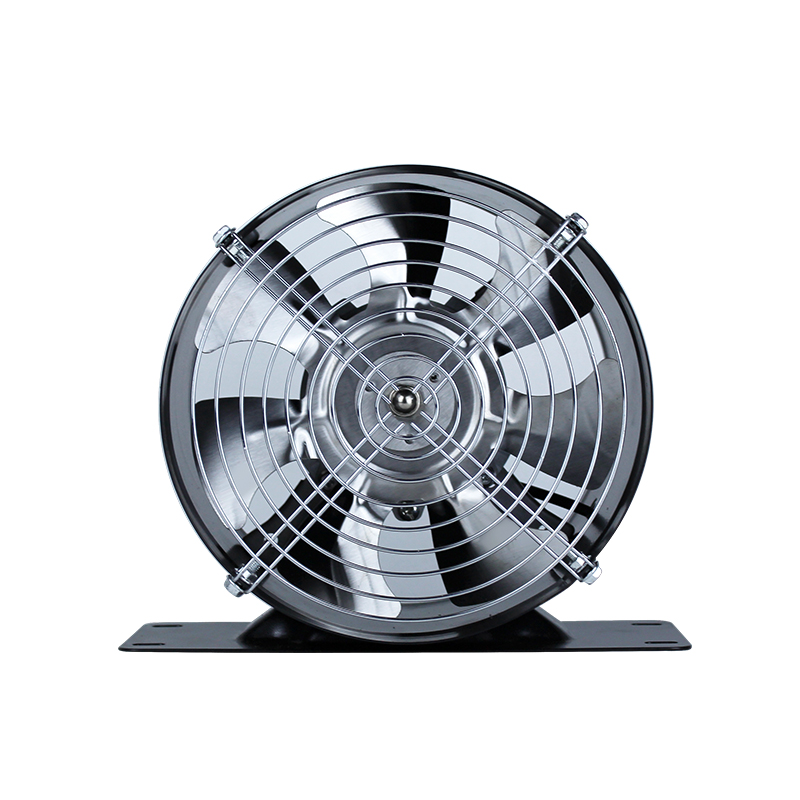
Selecting the optimal ventilation system for industrial or commercial environments requires a deep understanding of fluid dynamics and motor efficiency. For engineers and B2B procurement specialists, the debate between an axial flow extractor fan and a centrifugal fan often centers on the balance between air volume and static pressure. At Shengzhou Qiantai Electric Appliance Co., Ltd., located in the heart of China's "Motor Town," we leverage advanced production and testing equipment to design high-performance ventilation solutions. Our products are widely deployed in factories, warehouses, and industrial pipelines, where reliable cooling systems are paramount.

Technical Comparison: Aerodynamics and Static Pressure
The fundamental difference between these two fan types lies in how they move air relative to the impeller axis. An axial flow extractor fan moves air parallel to the shaft, making it exceptionally efficient for moving vast quantities of air at low static pressure. In contrast, centrifugal fans pull air into the intake and discharge it at a 90-degree angle, generating high pressure suitable for complex ductwork. According to the 2024 Global Industrial Fan Market Report by the International Energy Agency (IEA), the shift toward energy efficient axial flow exhaust fan for factories is accelerating as industries aim to reduce carbon footprints through high-efficiency motor integration.
Source: IEA - Energy Efficiency 2024: Analysis and Outlooks
Airflow Dynamics and Volume Capacity
When the objective is high-volume air exchange without significant resistance, high cfm industrial axial fans for warehouses are the superior choice. These fans offer a streamlined flow path that minimizes turbulence, allowing for higher Cubic Feet per Minute (CFM) ratings compared to centrifugal models of similar power consumption. However, if the system involves long ducts or filters, the centrifugal fan's ability to overcome static pressure becomes necessary.
| Feature | Axial Flow Extractor Fan | Centrifugal Fan |
| Airflow Path | Straight through (Parallel to axis) | 90-degree turn (Radial discharge) |
| Pressure Capability | Low Static Pressure | High Static Pressure |
| Volume Capacity | Very High Volume (CFM) | Low to Medium Volume |
| Typical Application | General ventilation, cooling towers | HVAC systems, drying, high-pressure ducts |
Performance in Specific Industrial Environments
Engineering requirements vary significantly based on the environment. For instance, low noise axial fan for commercial kitchens applications focus on maintaining air quality without disrupting the workspace. At Shengzhou Qiantai Electric Appliance Co., Ltd., we utilize precision-balanced impellers and specialized motor housing to dampen acoustic resonance, ensuring our fans meet stringent noise pollution standards while providing consistent exhaust performance.
Safety and Specialized Construction
In environments involving flammable gases or dust, the use of explosion proof axial flow fans for hazardous areas is mandatory. These units are constructed with non-sparking materials and flame-proof motor enclosures. Modern safety standards, such as those outlined by the 2025 ATEX and IECEx updates, emphasize the thermal protection of motors in axial configurations to prevent ignition in volatile atmospheres.
| Requirement | Axial Solution | Centrifugal Solution |
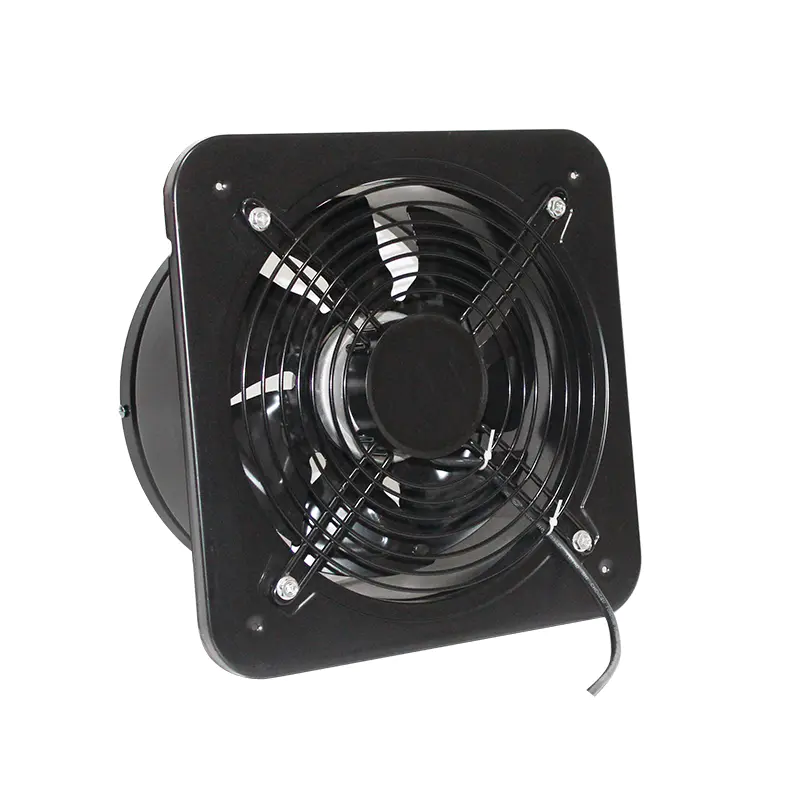
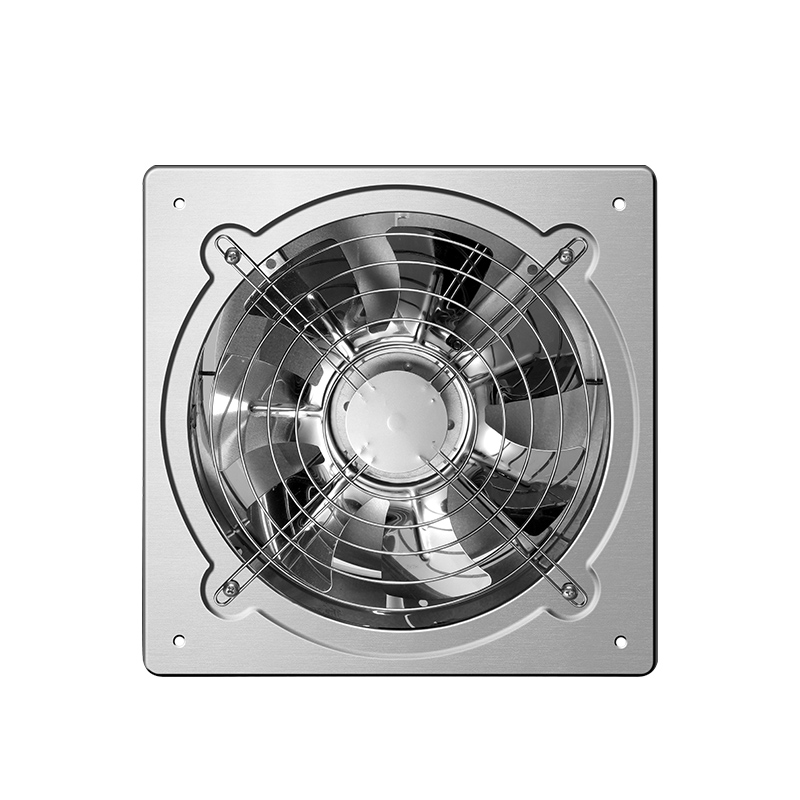
| Installation Space | Compact; ideal for wall mounted axial flow extractor fan installation | Larger footprint due to scroll housing |
| Energy Efficiency | High (80-90% for specific designs) | Lower for high-volume, low-pressure tasks |
| Maintenance | Easier access to motor and blades | More complex due to internal impeller location |
Why Axial Flow is Preferred for High-Volume Ventilation
For large-scale facilities, the primary goal is often "air changes per hour" (ACH). The axial flow extractor fan excels here because it requires less horsepower to move air in an unobstructed path. This makes energy efficient axial flow exhaust fan for factories the most cost-effective long-term investment for B2B buyers focused on operational overhead. Our production line at Shengzhou Qiantai Electric Appliance Co., Ltd. ensures that every unit undergoes rigorous quality center certification, guaranteeing that the motor-to-blade pitch ratio is optimized for maximum throughput.
- Scalability: Axial fans can be easily staged in parallel for massive ventilation requirements.
- Versatility: Suitable for home kitchens, restaurants, and heavy industrial warehouses.
- Innovation: Independent innovation in motor design allows for better energy-to-airflow ratios.
Frequently Asked Questions (FAQ)
1. When should I prioritize an axial flow extractor fan over a centrifugal model?
You should choose an axial fan when you need to move a large volume of air with little to no ductwork or resistance. It is the go-to solution for general cooling and exhaust in open spaces like factories and warehouses.
2. Are high cfm industrial axial fans for warehouses difficult to install?
No, they are generally easier to install than centrifugal fans. A wall mounted axial flow extractor fan installation is straightforward, often requiring only a simple wall cutout and mounting frame, which saves on labor costs.
3. How do low noise axial fan for commercial kitchens achieve quiet operation?
Quiet operation is achieved through the use of aerofoil-shaped blades, precision motor balancing, and anti-vibration mounts. This design reduces air turbulence, which is the primary source of noise in high-speed fans.
4. What makes a fan an energy efficient axial flow exhaust fan for factories?
Efficiency is determined by the motor's IE rating (Energy Efficiency class) and the aerodynamic design of the blades. Modern fans use variable frequency drives (VFDs) to adjust speed based on real-time ventilation needs, significantly reducing power waste.
5. Is it safe to use axial fans in chemical storage?
Only if they are specifically labeled as explosion proof axial flow fans for hazardous areas. These fans are engineered to prevent any electrical or mechanical sparks from coming into contact with the air stream, ensuring safety in volatile environments.