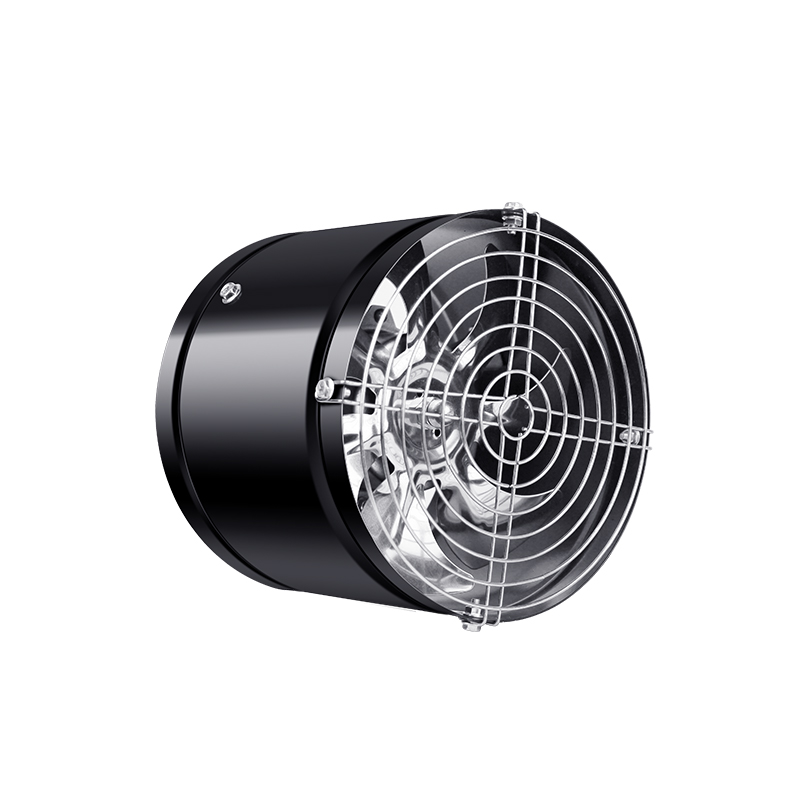
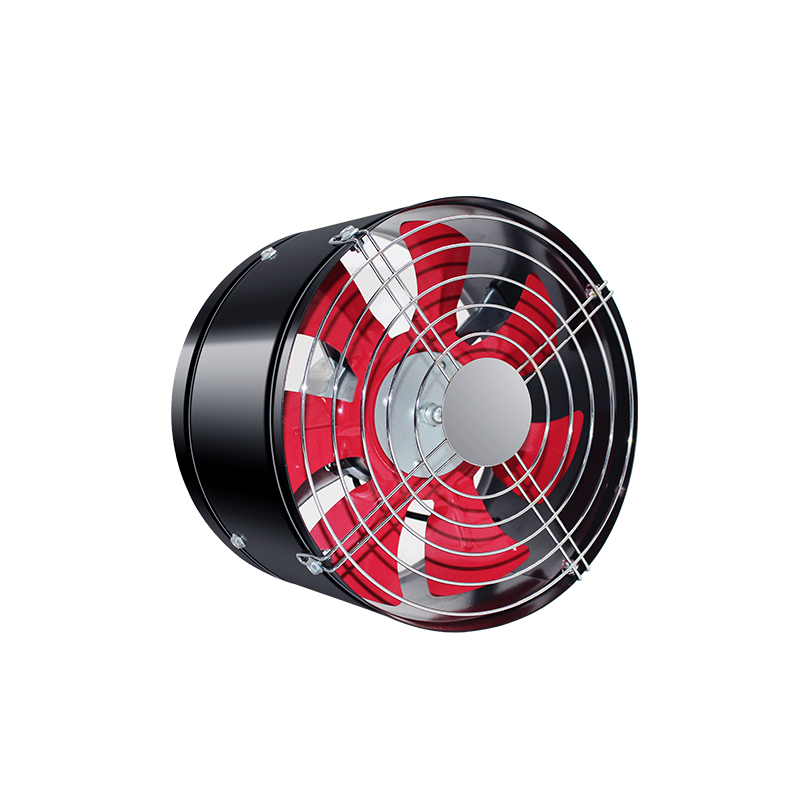
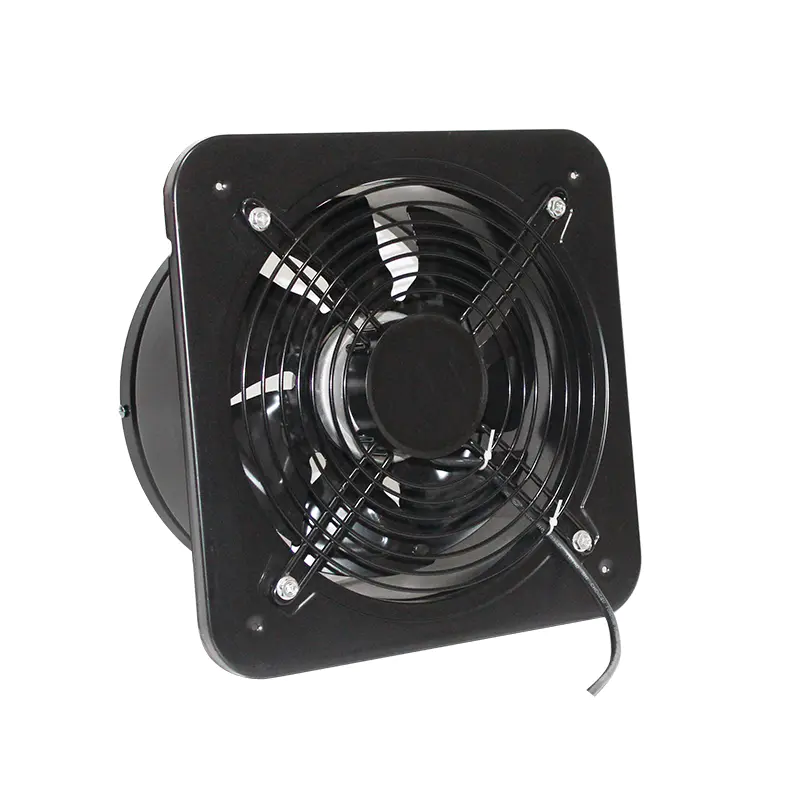
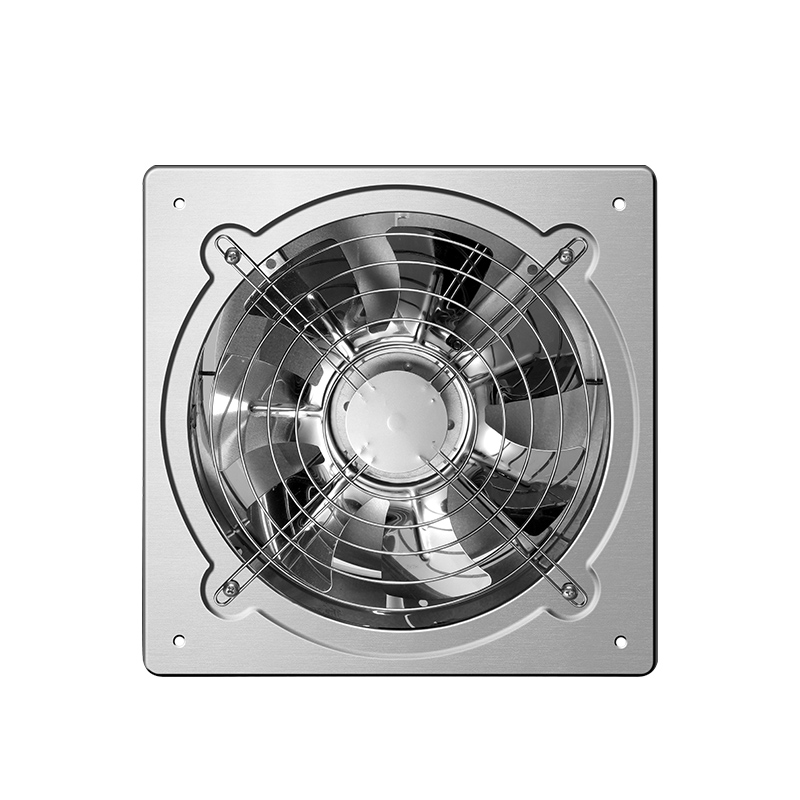
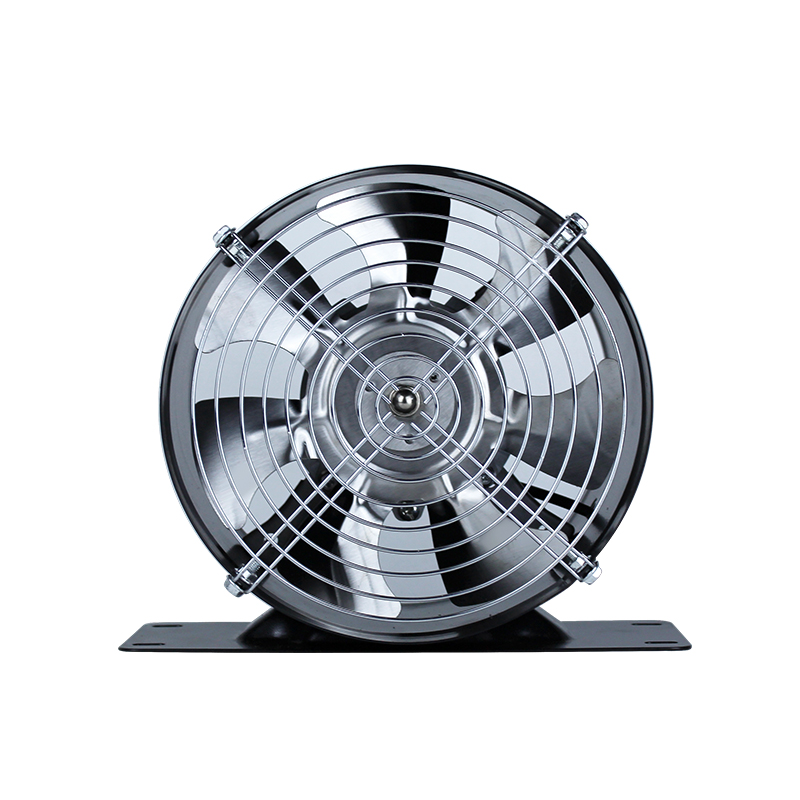
An axial fan is a type of compressor that increases the pressure of the air flowing through it by causing the airflow to move in an axial direction, parallel to the shaft about which the blades rotate. These fans are the industry standard for high-volume, low-pressure cooling applications, such as cooling electronic components, ventilating large rooms, or operating industrial heat exchangers.
Understanding Axial Flow Principles
The defining characteristic of an axial flow fan is that the intake and discharge of air follow a straight path along the axis of rotation. Unlike centrifugal fans that "sling" air outward, axial fans use aerodynamic blades—similar to an airplane wing—to create a pressure difference. This design is exceptionally efficient for moving large masses of air over short distances.
Common applications include:
PC Cooling: Standard 120mm or 140mm fans used to exhaust heat from cases.
HVAC Systems: Large-diameter fans used in condenser units to pull air through cooling coils.
Industrial Ventilation: Wall-mounted fans used to circulate air in warehouses.
Can Axial Force Be Negative?
Yes, axial force can indeed be negative. In the context of fluid dynamics and mechanical engineering, the direction of the axial force (or thrust) is relative to the defined coordinate system of the shaft. A "negative" axial force simply indicates that the thrust is acting in the opposite direction of the intended or primary airflow.
This phenomenon typically occurs in several scenarios:
Windmilling: When a fan is off but air is being pushed through it by another source, the air can drive the blades, reversing the load direction on the bearings.
Backpressure Overload: If the static pressure downstream becomes significantly higher than the fan's capacity, the flow may stall or reverse, shifting the thrust vector.
Blade Pitch Variation: In controllable-pitch fans, adjusting the blade angle past the neutral point will physically reverse the thrust direction without changing the motor's rotation.
Selecting the Right Axial Fan Size
Choosing the correct axial fan involves more than just picking a diameter. You must calculate the required airflow, measured in Cubic Feet per Minute (CFM) or Cubic Meters per Hour (m³/h), and account for static pressure resistance.
Use the following formula to determine the required CFM for a room or enclosure:
CFM = (Volume in Cubic Feet × Air Change per Hour) / 60
Application
Recommended Air Changes/Hour
Typical Fan Size
Server Cabinet
30 - 60
80mm - 120mm
Office/Residential
4 - 10
200mm - 400mm
Industrial Warehouse
10 - 20
500mm+
Key Technical Specifications
When reviewing data sheets for an axial fan, pay close attention to the intersection of the Fan Curve and the System Resistance Curve. A fan that is too small will run at high RPMs, causing excessive noise and premature bearing failure. Conversely, a fan that is too large may operate in the "stall region," leading to inefficient cooling and vibration.
Always factor in a 10-20% safety margin for static pressure losses caused by filters, grilles, or ductwork bends.






 English
 中文简体
中文简体